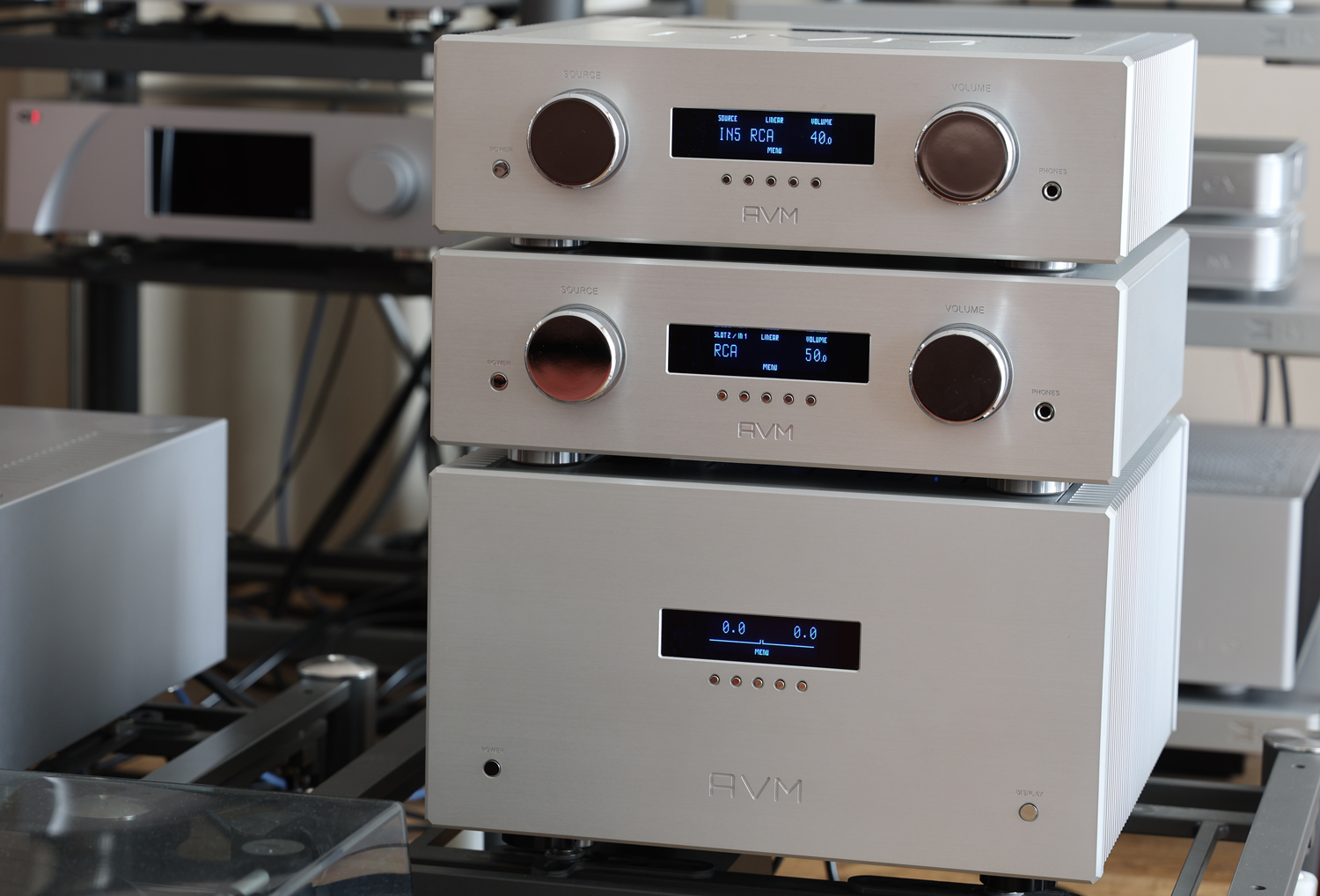
AVM PA 8.3 Preamp, SA 8.3 Power Amp, A 8.3 Integrated Amp

Review Context
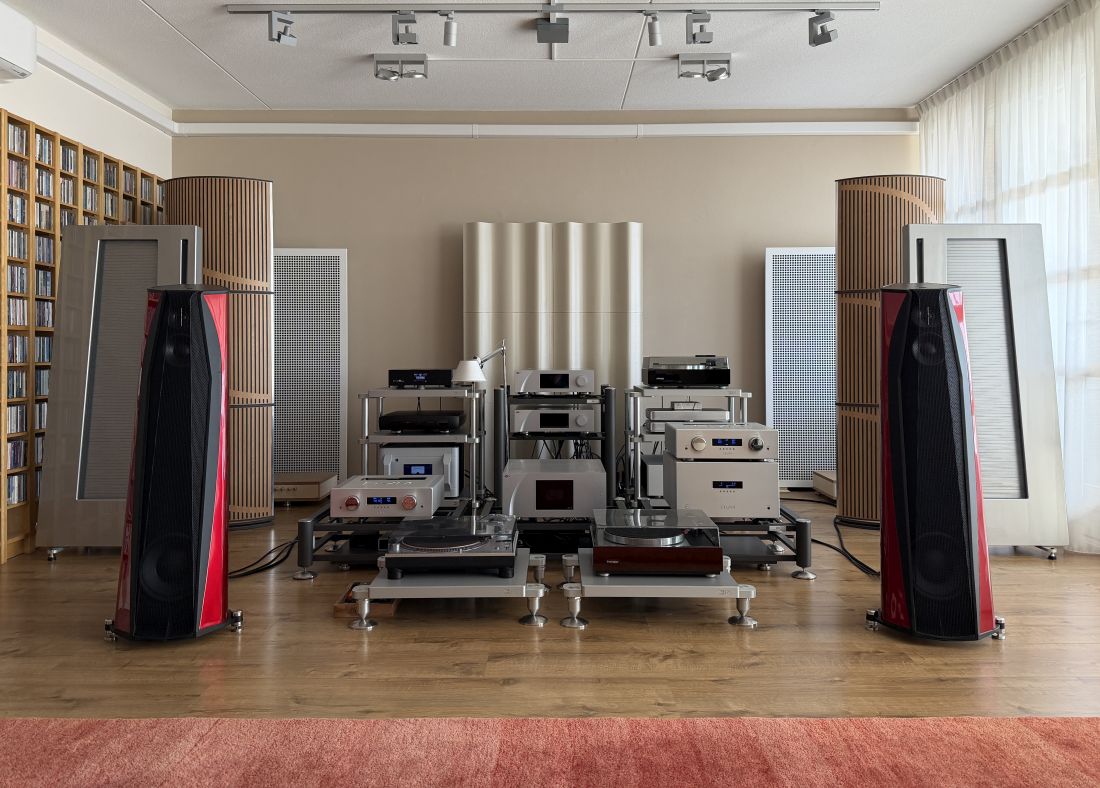
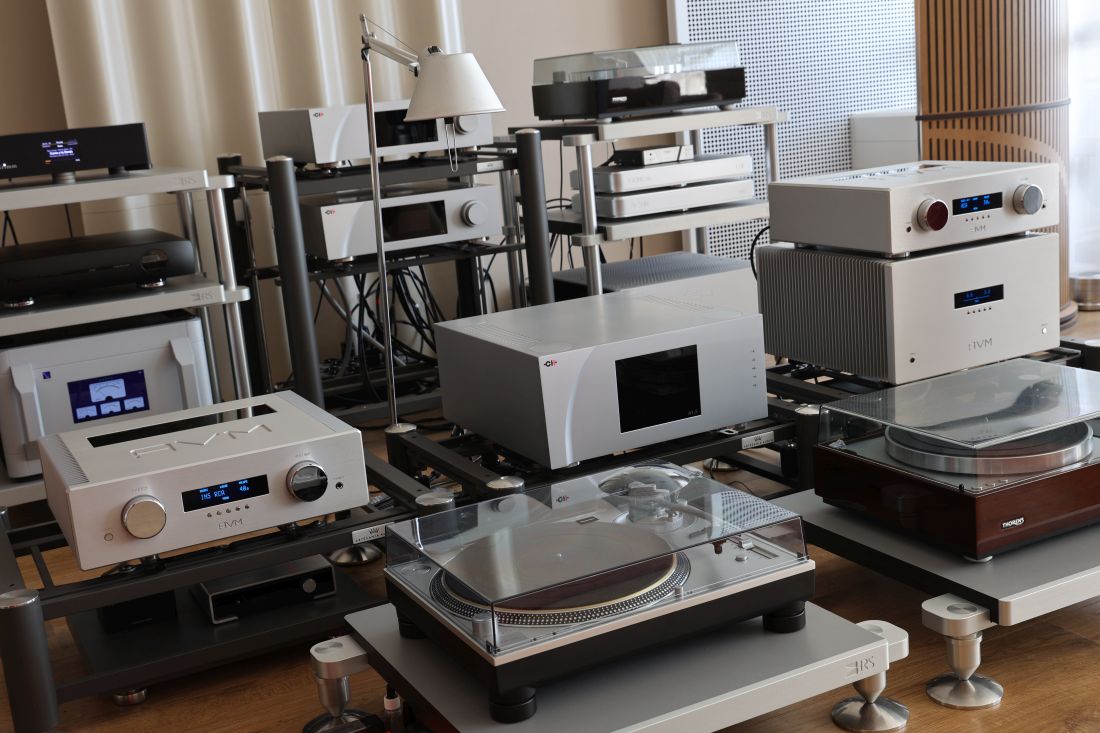
The three AVM units were listened to in the main system, comprising the CH Precision C1.2 DAC, L1 preamplifier, and A1.5 power amplifier. Digital sources include the Aqua La Diva M2 CD Transport, Antipodes Oladra, and Grimm MU1 music servers. A range of power cables was used, but the same types were always used when making comparisons. Speakers used are the Apogee Duetta Signature (recently fitted with new foils), Driade Premium Model 9, and the Apertura Armonia Evo and Adamante. All interlinks are Driade Flow Link Reference 808, and the speaker cables are Driade Flow Reference 808. The AVM components were positioned on Artesania Aire racks, supported directly on the Carbon Fiber Linear Arms‘ beechwood footers. All components (including review components) are powered by the PS Audio P20 PowerPlant.
Listening – SA 8.3 Power Amp
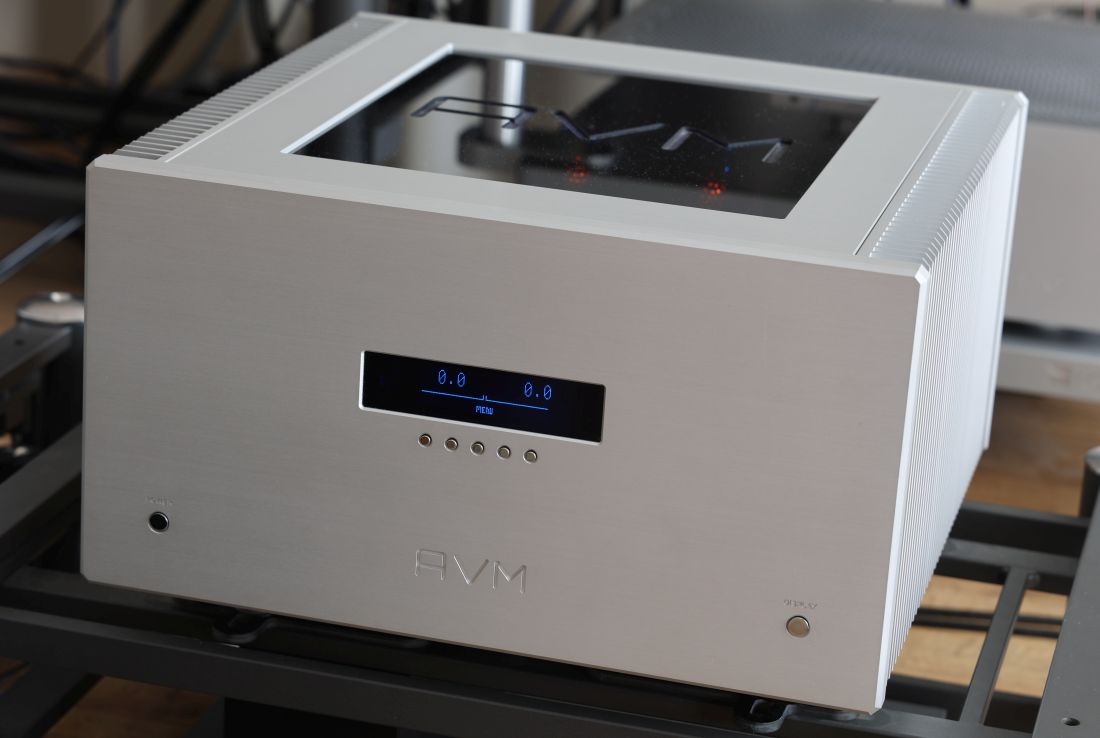
To assess each unit’s performance, I introduced them into the existing system one by one. Starting with the full CH system, I swapped the A1.5 power amp for the AVM SA 8.3. Given that the SA 8.3 employs tubes in its input stage, combined with MOSFET transistors, I expected it to sound quite smooth and relaxed, perhaps too much so for my taste. I didn’t need to worry because the SA 8.3 isn’t stereotypically tube-like. AVM has struck a very good balance, offering undeniably greater charm than purely solid-state AVM amplifiers, while maintaining speed, control, dynamics, and resolution.
The SA 8.3 amplifier is effortlessly dynamic and very expressive, but it also has a huge heart and produces a very natural sound that is easy to sink into. There is a very moderate amount of lushness and richness, but it is most definitely not smeared, dull, or restrained. On the contrary, it is lively, foot-tapping, and engaging and, most importantly, effortlessly lyrical and emotionally involving. In these respects, I would place it higher on the audiophile ladder than a Bryston 4B or 14B cubed. The AVM is just as revealing and precise as a Bryston, even a bit more controlled in the bass perhaps, and yet it’s absolutely not cold or analytical in the least.
Unusually, for a transistor amplifier, the SA 8.3 has an 8 – 4 – 2 Ohm setting in the menu. This is a feature often seen on tube amplifiers to match the transformer windings to the speaker load, but rarely on transistor power amplifiers. The only transistor amplifiers I know that have a similar facility are those made by McIntosh, which use output transformers to match the transistors to a known load. In this case, the setting does not change the amplifier’s technical performance and only adjusts the responsiveness of the level meter on the display.
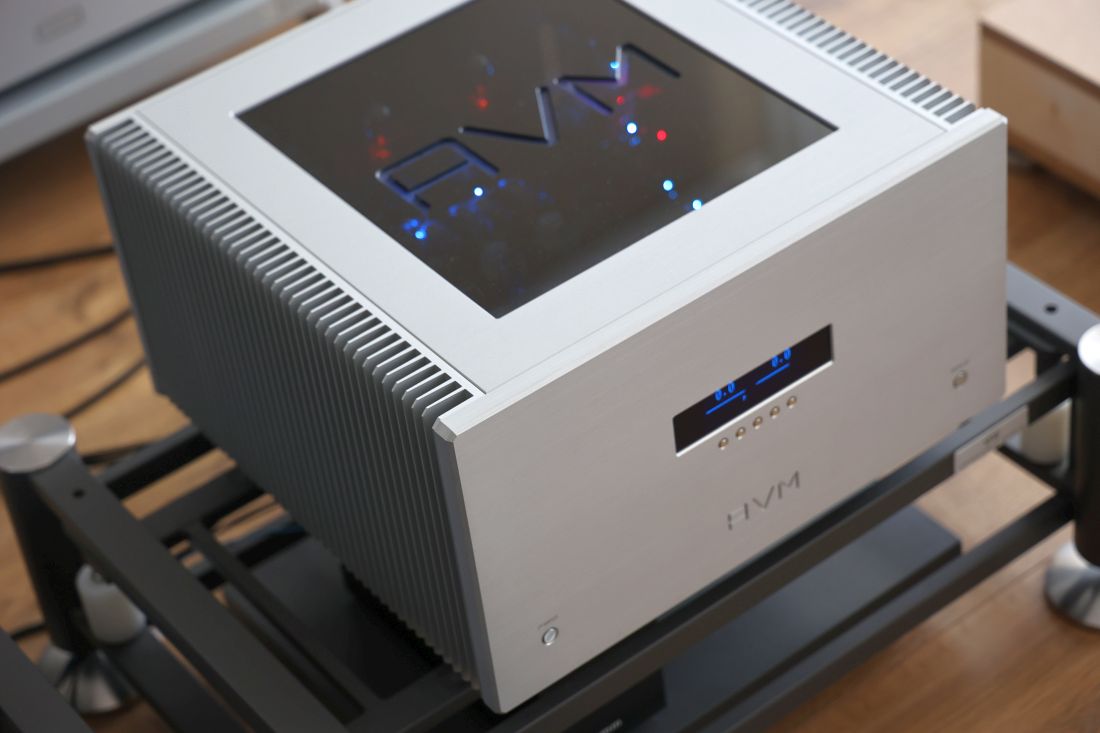
Rather than trying to mimic a tube product, the tubes serve to enhance the amplifier’s inherent qualities. Thus, tube fanatics will not mistake the SA 8.3 for a pure tube product. Nevertheless, it’s very far from the stereotypical “dry and square” solid-state sound. It’s not quite as precise, agile, and refined as the CH A1.5 or the WestminsterLab Rei monos (which both cost about twice as much) or as liquid and free-flowing as a Halcro Eclipse (which costs three times as much), but it sounds remarkably natural and free-flowing for such a big amplifier. Or for any transistor amplifier, really. At various points during my listening sessions, I concluded that this amplifier slots in my system perfectly.
Compared to the A1.5, the SA 8.3’s ultimate resolution, refinement, and transient speed are slightly lower. In turn, the AVM offers a fuller, more voluptuous bass, a subtly warmer, richer midrange, and a slightly sweeter treble. It possesses a very natural timbre, and although it might be considered to be tuned ever so slightly to the rich side of strictly neutral compared to CH Precision, Bryston, or WestminsterLab, I still consider it essentially neutral, not warm.
The amplifier projects a large sound precisely in the right way. It does not just cast a large yet vague sound-bubble, but actually breathes in all directions with the music. Spacious recordings sound precisely so, as do intimate and direct-sounding recordings.
Most importantly, while the SA 8.3 is a beast in terms of control and power reserve, it doesn’t keep its muscles flexed all the time; it effortlessly scales to the music’s needs for speed, pacing, and dynamics. Unlike some very powerful amplifiers, the SA 8.3 does not at all behave like a metronome. On the contrary, the amplifier is quick on its feet and fluidly follows any changes in speed in the recordings. If the music is intimate, quiet, and relaxed, so is the amp, and if the music demands all-out power and energy, the amplifier simply delivers. There is always plenty of control if needed, but there’s never a sense of overt control.
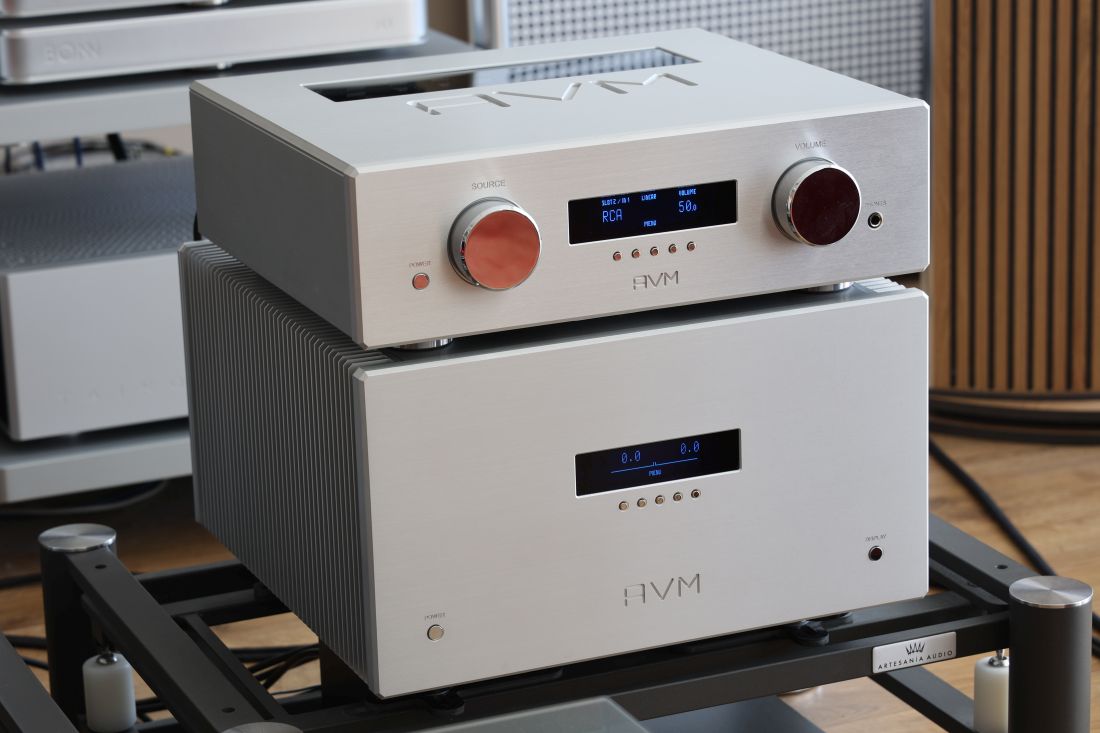
Listening – PA 8.3 Preamp + SA 8.3 Power Amp
Just how powerful the SA 8.3 power amp is became painfully clear when I inadvertently connected the PA 8.3 preamp’s Line Output instead of its Preamp output, thinking it was the transistor equivalent of its Tube Output stage… Stupidly, connecting a non-volume-controlled line-level output is a mistake I have made at least twice before. I recall a time when using a Wadia 861 CD player at max volume directly into a pair of Jeff Rowland model 6 amplifiers with Bowers & Wilkins Nautilus 804s. Back then, the sound was not just loud, but also severely distorted. In this recent instance, it remained entirely clean and musical, but, holy guacamole, startlingly loud!
After recovering from my patching mistake, I double-checked with Garmt, and he confirmed that the solid-state output was not mounted in my review sample. However, in the interest of this review, it would be sent to me separately. Meanwhile, I resumed listening using the PA 8.3’s Tube Output board.
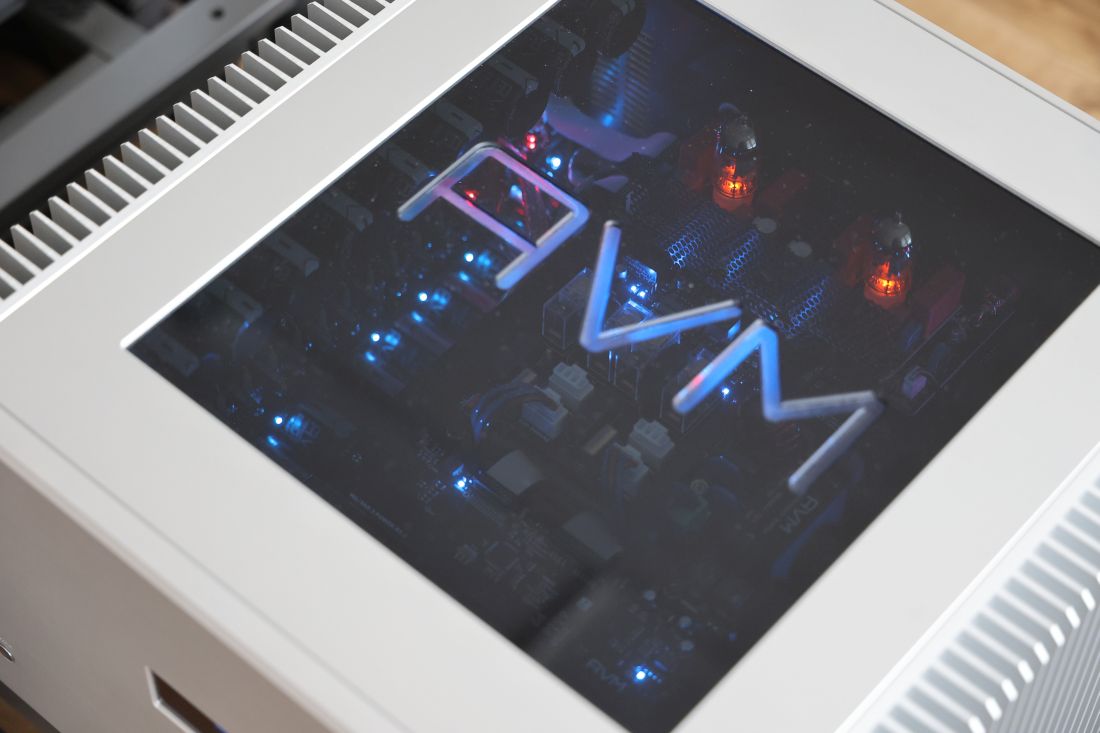
Some of the internal lighting can be set to off in the menu. The photo shows the inside with all LEDs on.
Once again, despite using the tube outputs, there was no stereotypical tube sound. However, when powered with the same GigaWatt PowerSync Ultra power cable I use for the CH L1 preamp, the PA 8.3 preamp does sound fuller and darker than the CH L1, more so than the SA 8.3 power amp differs from the CH A.1.5 in that regard. After swapping to a less voluminous-sounding power cable, the preamp shifts slightly toward the neutral CH L1, aligning more closely with the SA 8.3’s subtly smooth sound. Still, while I consider the SA 8.3 power amp essentially neutral, the PA 8.3 preamp, at least with its tube output, is more voluptuous, darker, and slightly warm. Nevertheless, the preamp remains far from dull, slow, or restrained. It’s smooth, natural, liquid, and slightly more relaxed than the L1, yet it remains propulsive, lively, engaging, and realistically dynamic. Similar to the SA 8.3 power amp, the PA 8.3 preamp excels at portraying not only the temporal and dynamic features of music but also the physical qualities, such as the texture of piano, the wood of a guitar, and the body of vocals, while never sounding forced or restrained in any way.
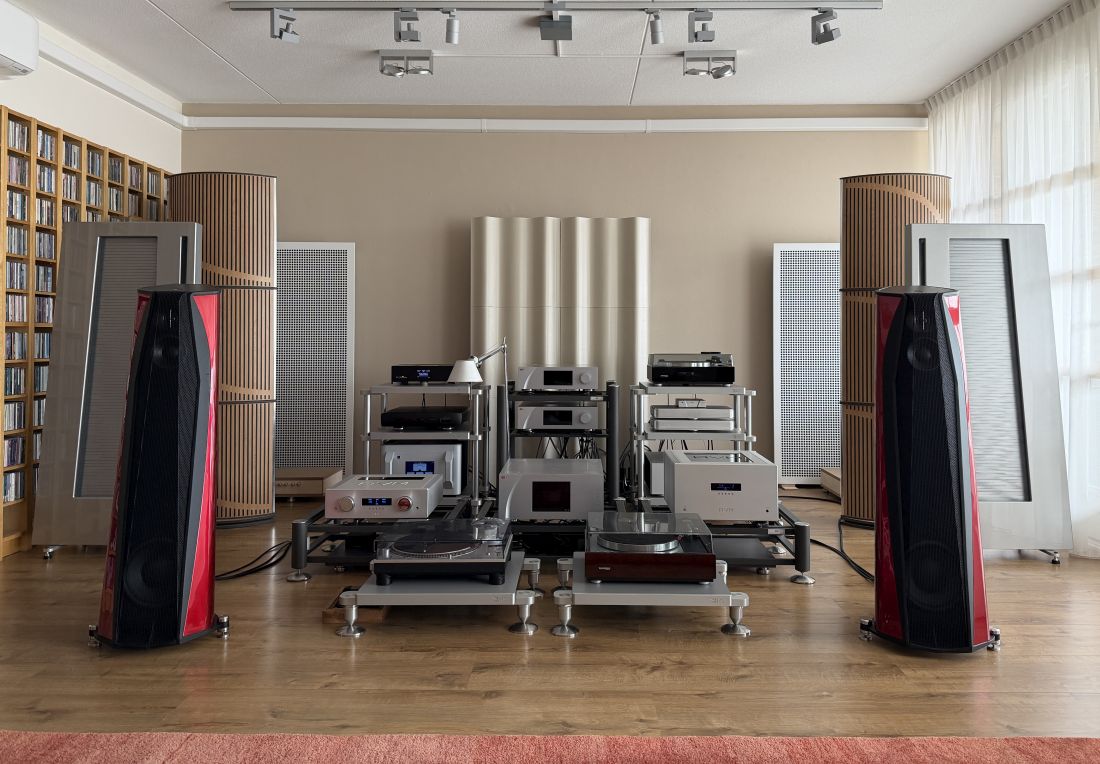
At the time of this review, the Aequo Audio Ensium speakers were also available. Although these are partially active speakers that do not require the SA 8.3’s huge power, it worked wonderfully! Just like with the Apogee speakers, the amplifier refrained from bragging and simply put the music first. Easy-to-drive speakers often don’t match well with very powerful amplifiers, as the amplifiers don’t get to work hard enough and can sound like they are idling, or worse, are controlling the life out of it. In this case, however, despite the amplifier’s huge reserves and the speaker’s relatively high efficiency, the combination sounded effortlessly propulsive, dynamic, and emotionally engaging.
Next: Solid-State preamp output board, A 8.3 Integrated Amplifier, and Conclusion

So appreciate your reviews,your reviews of the solution and CH amplifiers have been incredibly useful to me. I sincerely hope you will have the opportunity to review the Orpheus Lab H TWO 33BD Opus II preamplifier and its matching power amplifier; despite being products that deserve to be stars, there are virtually no reviews of them online. I hope you can help lift the veil of mystery surrounding them,thank you,