AVM PA 8.3 Preamp, SA 8.3 Power Amp, A 8.3 Integrated Amp

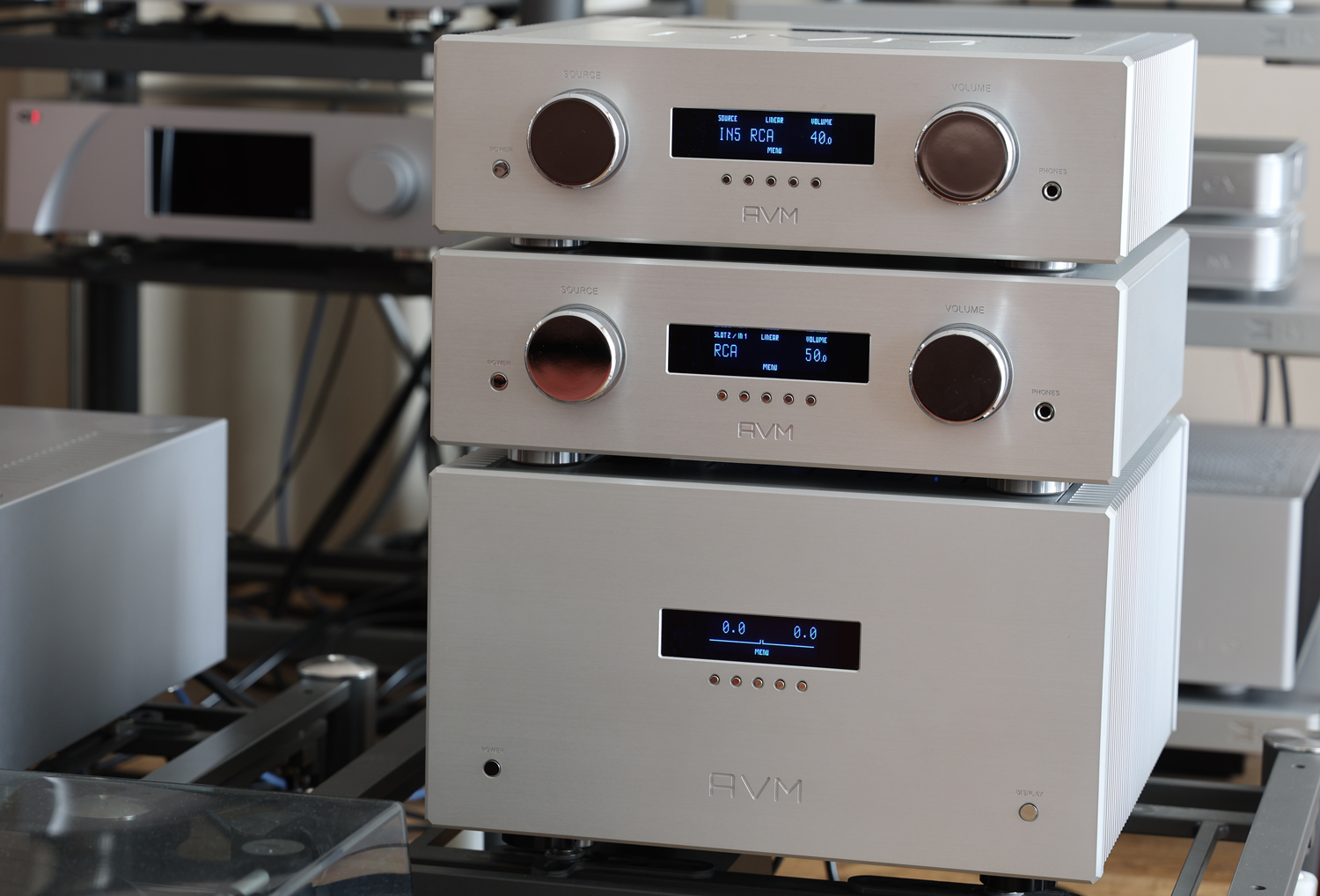
Review samples supplied by Mafico
Retail price in the Netherlands, incl. VAT:
PA 8.3 Preamp: 10.299 Euro
SA 8.3 Power Amp: 20.649 Euro
A 8.3 Integrated Amp: 14.199
This review was initially intended to focus solely on the PA 8.3 Preamp and SA 8.3 Power Amp. However, thanks to a bit of serendipity, Garmt from Mafico happened to have the A 8.3 Integrated Amp in his car on his way to deliver these products to me. Rather than returning it to storage as intended, he called me to ask whether I was interested in reviewing the integrated amp as well. Naturally, I agreed to include it. It’s not often, if ever, that a reviewer is in a position to cover a company’s top-tier products and directly compare them with that company’s cost-effective integrated alternative.
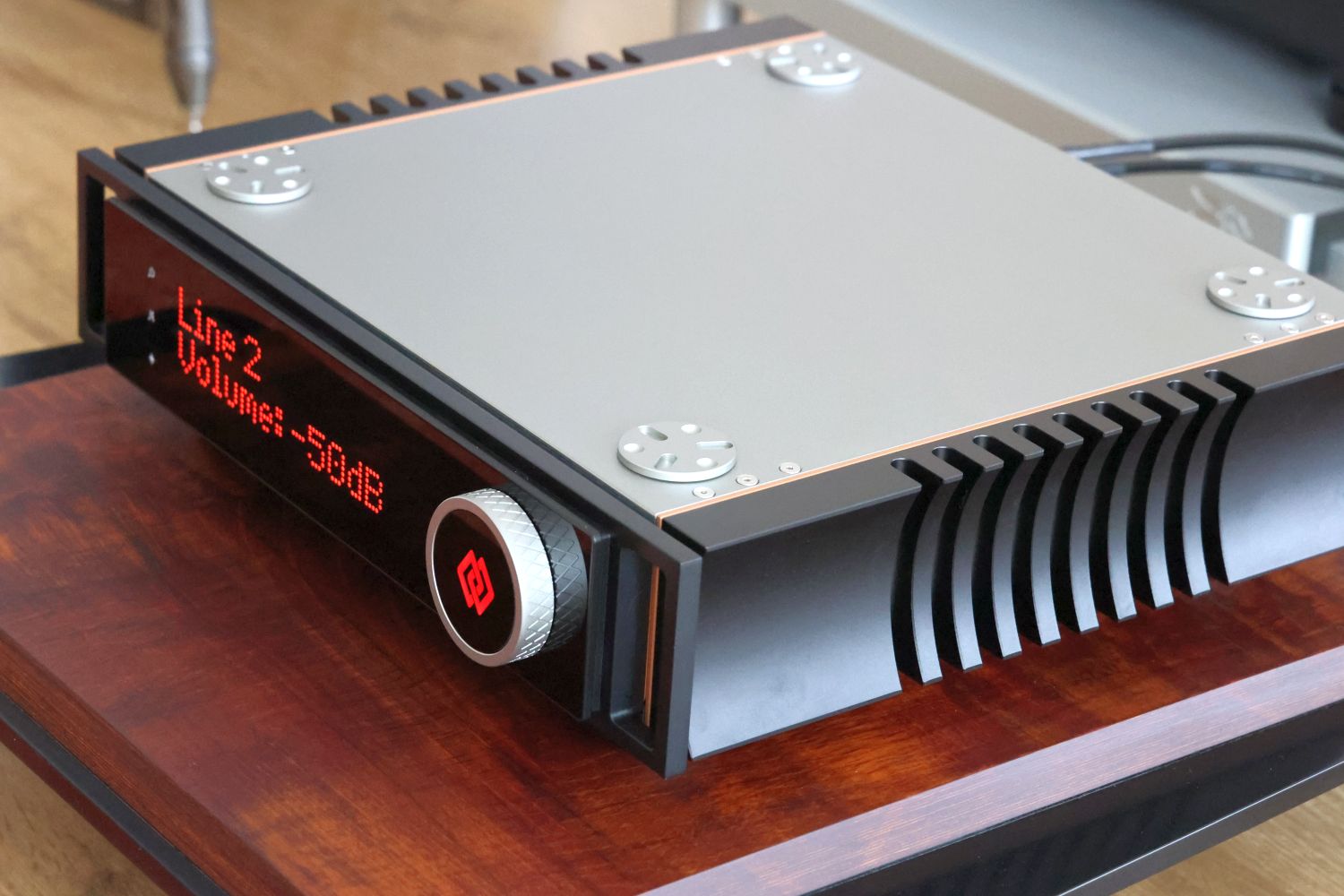
All three components are part of AVM’s Ovation range, which uses only the highest-quality components. From the carefully designed power supply to selected components, everything has been designed to transmit even the finest sound details without loss. All components are equipped with OLED displays that show operational information and allow users to adjust various settings.
In this review, I will cover the PA 8.3 Preamp and SA 8.3 Power Amp in my usual extensive manner. Then, I will switch to the A 8.3 Integrated Amp to hear how much of the separates’ performance is preserved in the single-chassis solution. My guess is a not inconsiderable amount, but we won’t know until the end of this review. So, let’s dive in!
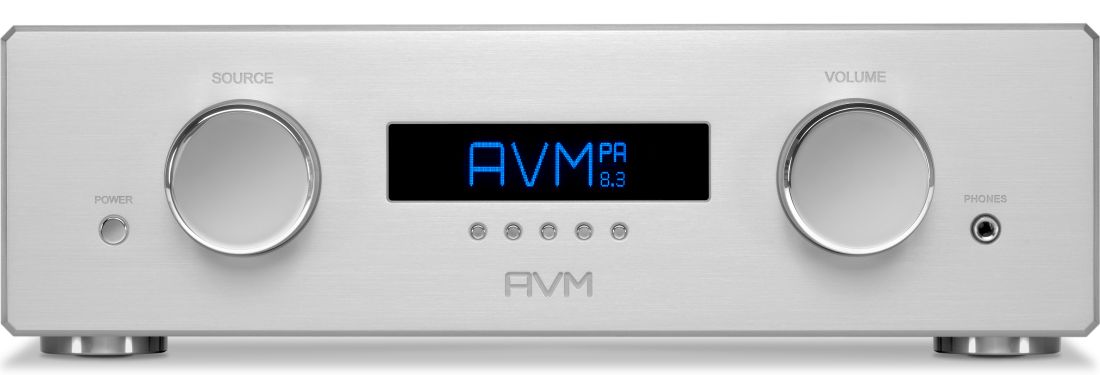
PA 8.3 Preamp
The Ovation PA 8.3 is a modular, fully balanced, and DC-coupled analog preamplifier with multiple back-panel slots for optional input and output modules, enabling precise customization for individual setups. As standard, it is ready to play, equipped with 1 input card and 1 output card. Optional modules include tube output, line output, MM/MC phono, tone control, Bluetooth, DAC, and FM tuner.
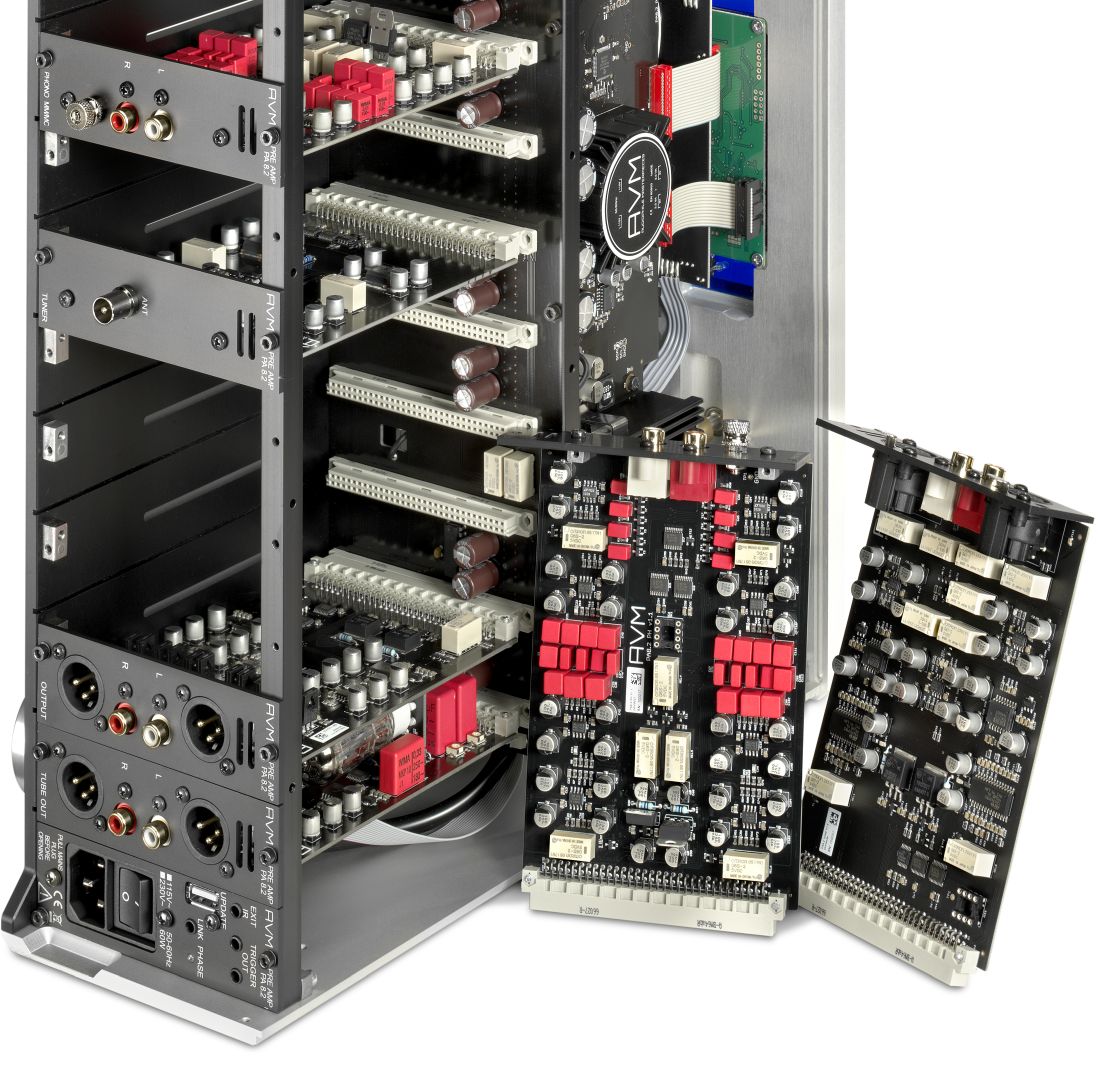
The review sample was equipped with analog input modules and, initially, only a Tube Preamp output module. However, because it can also accommodate a transistor Preamp output board, I assumed both were included, which would come back to bite me later on.
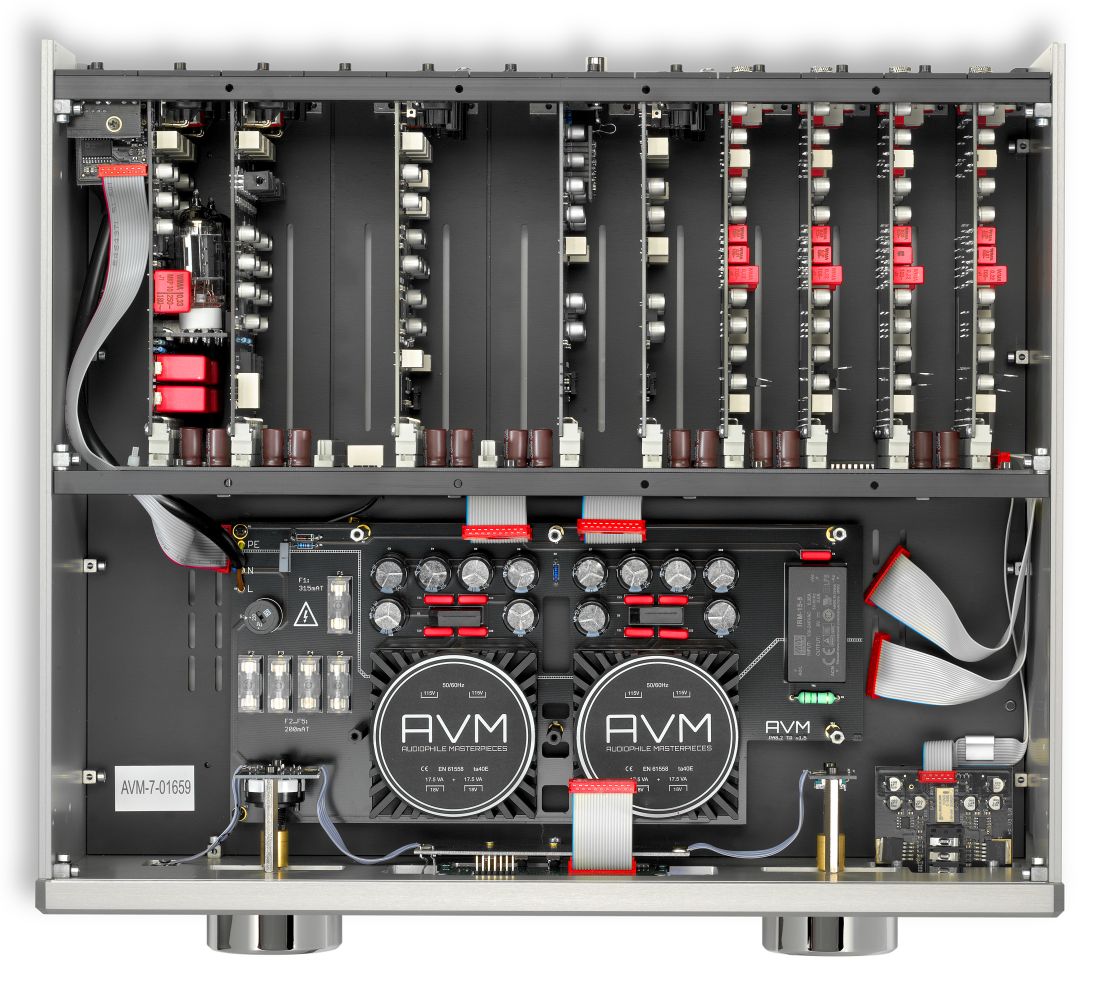
If the tube output card is installed, the switch-on process takes approximately 30 seconds because of the tube warm-up time. During this period, the display text gradually changes from lowercase to uppercase, letter by letter, to indicate progress. Without a TUBE OUT card installed, the switch-on process lasts about five seconds.
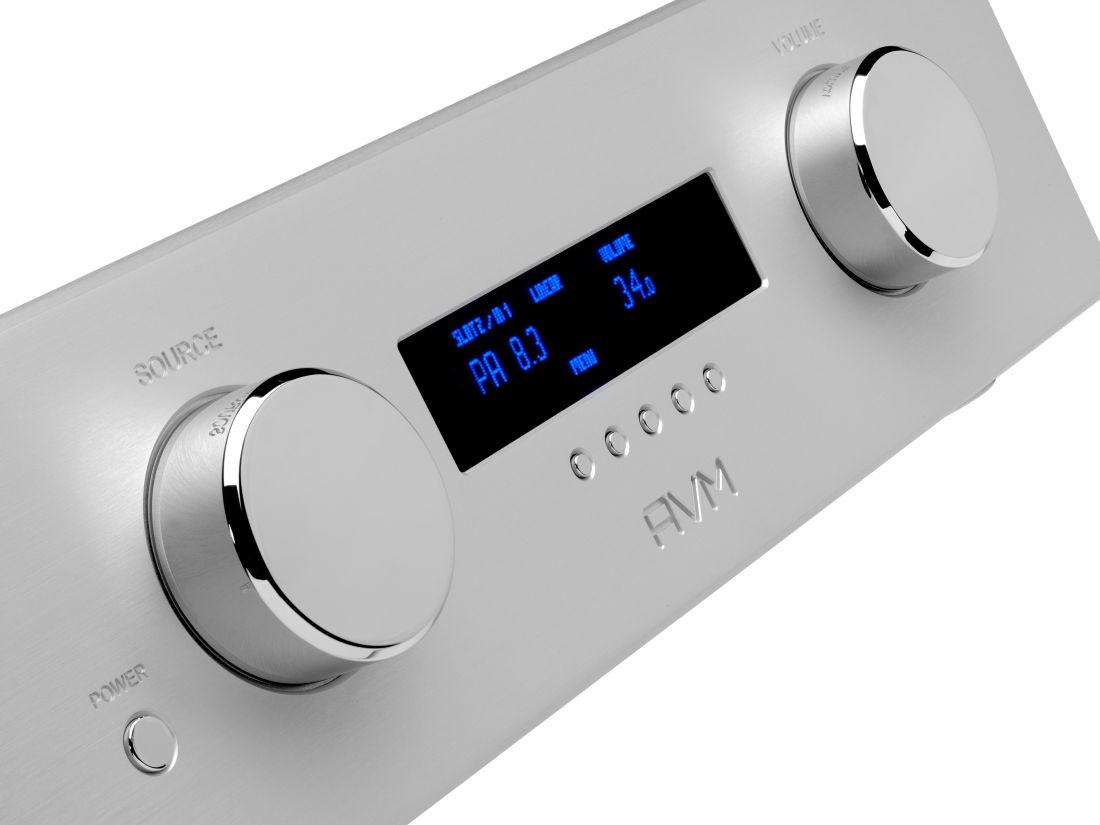
A key feature of the preamp is its two chrome-plated, ball-bearing rotary controls, which feel solid, heavy, and precise during use. The step size of the volume change depends on the rotation speed. Slow rotation changes the level in 0.5 dB steps, while fast rotation changes the volume in 2 dB steps. Unusually for a high-end product, the preamp includes Bass, Treble, and Loudness controls that can also be fully bypassed. Even though there are valid arguments against using EQ, there are times when it can be beneficial. Thus, I always welcome the inclusion of this almost forgotten feature.
The preamp, presumably mandated by law, has an Auto-Standby feature that switches to standby after 15 minutes of inactivity, which can be quite annoying for a tube product with a warm-up period. Fortunately, the function can be defeated in the Personal Setup menu. The manual indicates that “the menu button on the right under the display” must be pressed before waking the unit from standby. To be fair, it says “on the right”, but confusingly, the middle button has a ‘Menu’ label, while the other buttons are unlabeled. As it turns out, the unlabeled button on the far right opens the Personal Setup menu, not the Menu button. With that addressed, I left the preamp powered on for most of the day before starting my listening tests.
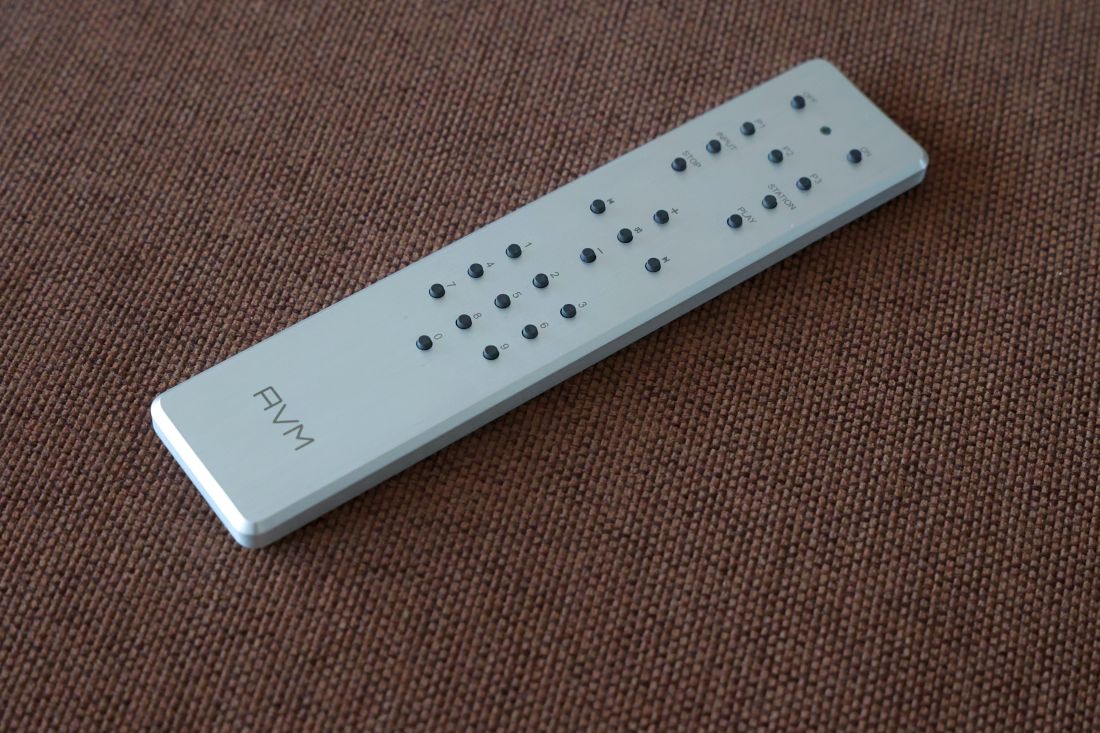
Upon pressing the power button, the preamp runs a self-check routine to enumerate the available modules and test the tubes, and then switches on. The tubes are maintenance-free, and there are no user settings to be made. Tube life expectancy is not indicated, but I would assume at least 2.000 hours.
Next: SA 8.3 Power Amp and A 8.3 Integrated Amp Description

So appreciate your reviews,your reviews of the solution and CH amplifiers have been incredibly useful to me. I sincerely hope you will have the opportunity to review the Orpheus Lab H TWO 33BD Opus II preamplifier and its matching power amplifier; despite being products that deserve to be stars, there are virtually no reviews of them online. I hope you can help lift the veil of mystery surrounding them,thank you,