Mad Scientist White Magic and White Magic Ultra USB Cables

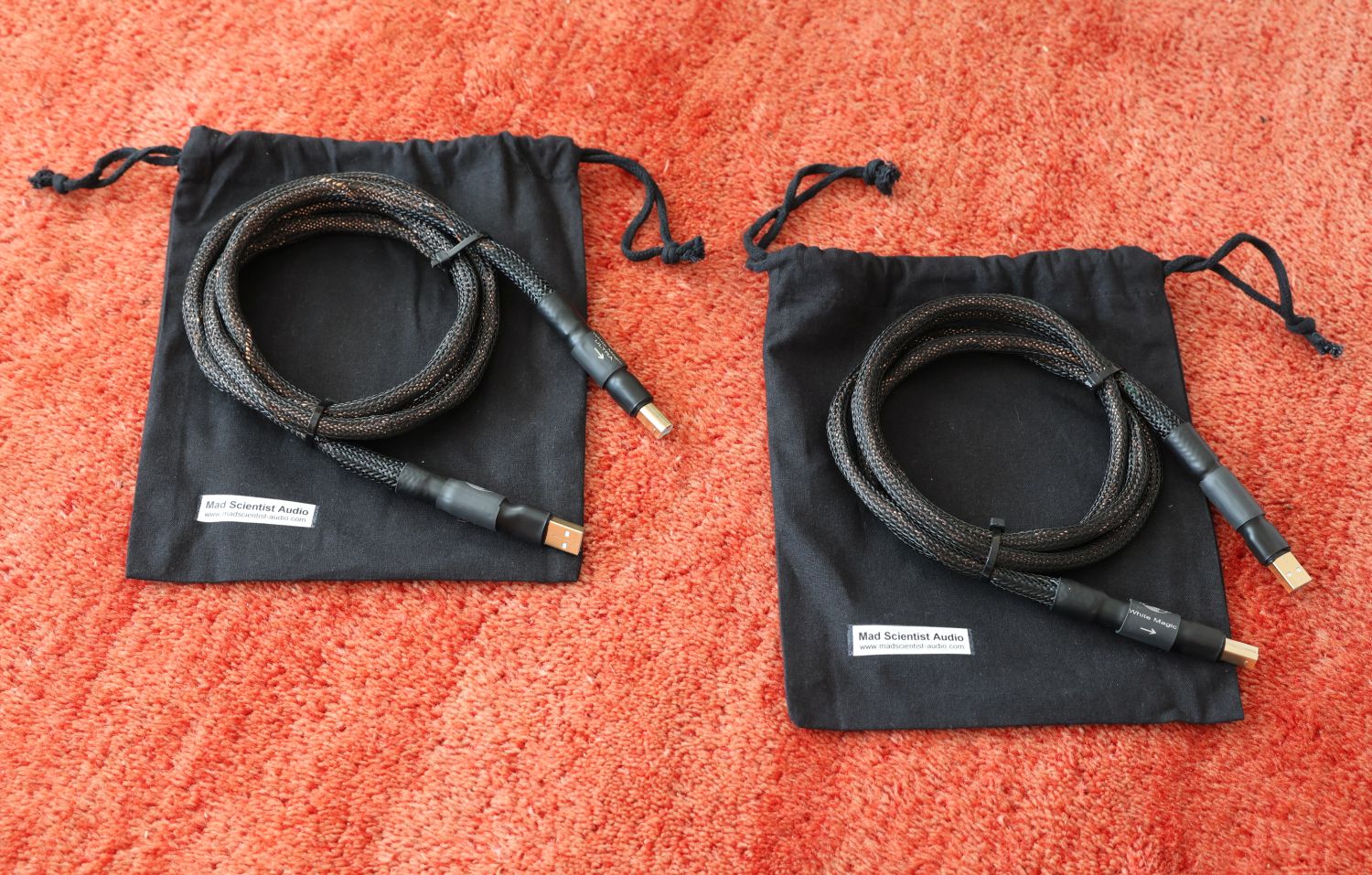
Review sample supplied by Mad Scientist Audio
Retail price in US Dollars at the time of review (ex VAT):
White Magic USB starts at $399 for 0.8 meter
White Magic USB $519 for 1,5 meters (as reviewed)
White Magic Ultra USB starts at $799 for 0.8 meter
White Magic Ultra USB $1.039 for 1,5 meters (as reviewed)
White is the new Black for Mad Scientist Audio! White Magic now covers a full range of cables, including Analog Interconnects, Digital Interconnects, Speaker Cables, and USB Cables. Each cable features a custom-made solid-core conductor with unique mechanical and electromagnetic properties.
White Magic wire contains no copper, silver, or gold. Instead of traditional high-conductivity metals, Mad Scientist Audio chose a material that offers exceptional vibration resistance, low microphonic susceptibility, and elevated natural field damping.
As the Mad Scientist himself puts it:
White Magic USB cables are the culmination of a decade of obsessive refinement. It combines radically unorthodox materials, precision-engineered geometries, and a field-conscious design philosophy. Central to the White Magic philosophy is the belief that signal integrity isn’t just about conductivity; it’s about controlling the environment around the signal: mechanical, electrical, and electromagnetic.
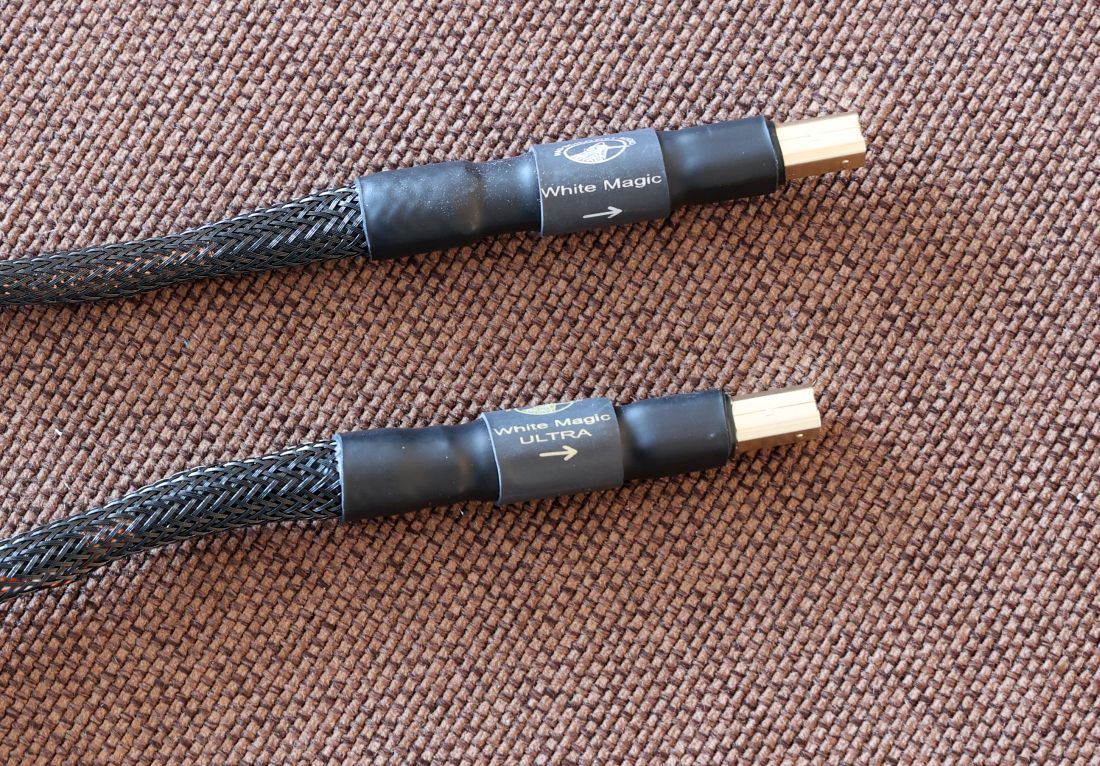
White Magic Technology
At the cable’s core lies a conductor you won’t find in other audiophile cables: the White Magic wire, selected for its exceptional mechanical and electromagnetic properties. According to the maker, this wire doesn’t just transmit; it also shapes the signal environment, dampening vibrational and field-based distortions in ways copper and silver can’t.
This conductor behaves very differently from copper or silver; for instance, it doesn’t oxidize or tarnish, so unlike copper and silver wires, the surface stays pristine. It also produces a distinct sound. The wire is encased in PTFE (Teflon) tubing to ensure ultra-low dielectric absorption and maintain stable geometry.
All White Magic cables contain a directional, resistively terminated shielding system designed to absorb and dissipate RF energy, rather than reflect it. This multi-layered shielding approach is inspired more by Stealth Radar and RF anechoic chamber design than by traditional audio cable thinking.
A proprietary, multi-layer shielding architecture surrounds the core, absorbing and dissipating RF energy instead of simply reflecting it. Each layer is asymmetrically terminated and tuned using resistive networks to break up standing waves. The result is a cable that dramatically lowers the digital noise floor.
According to the manufacturer, the White Magic USB makes digital sound more like music, and less like math.
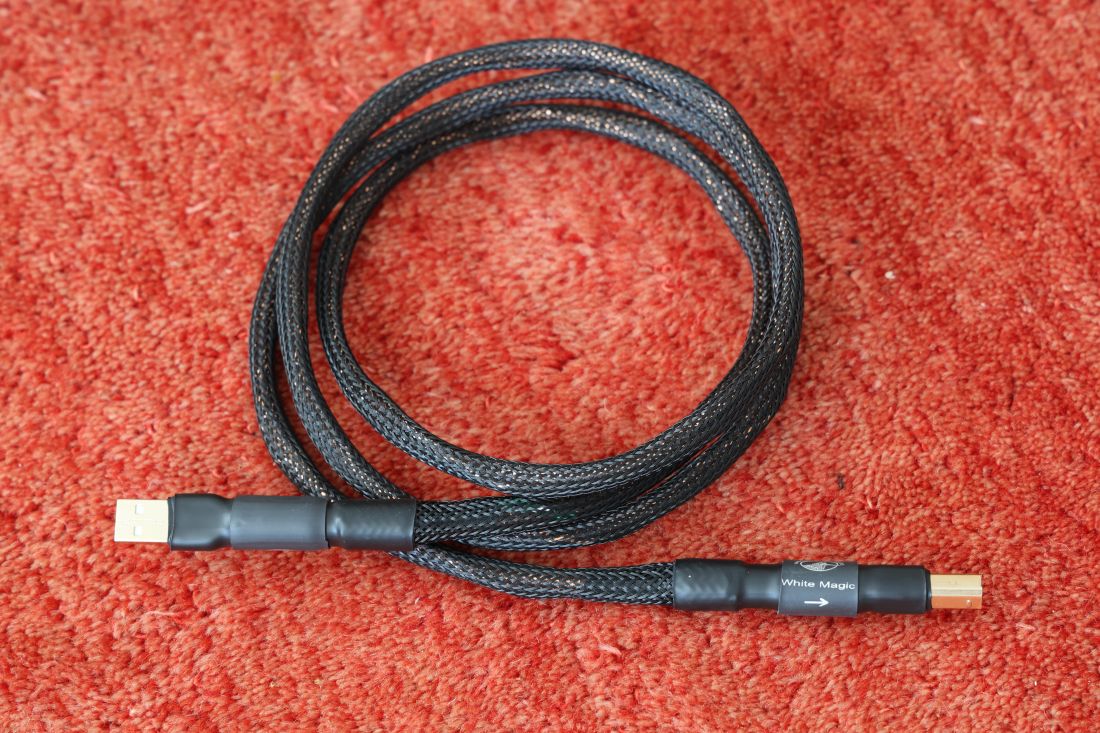
White Magic USB Cable
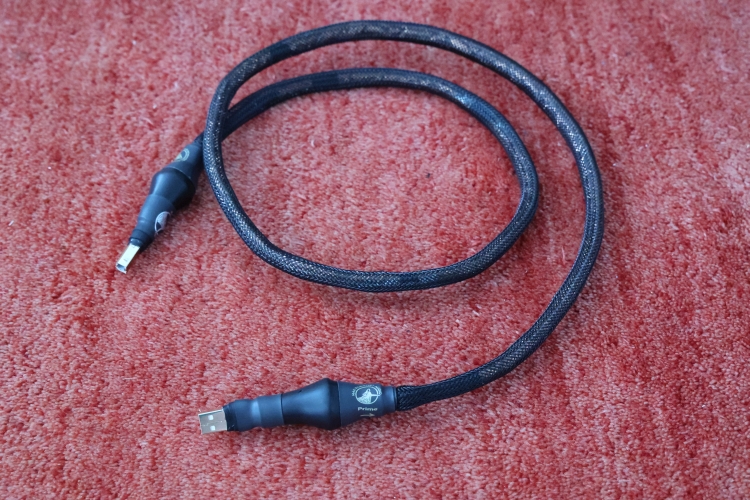
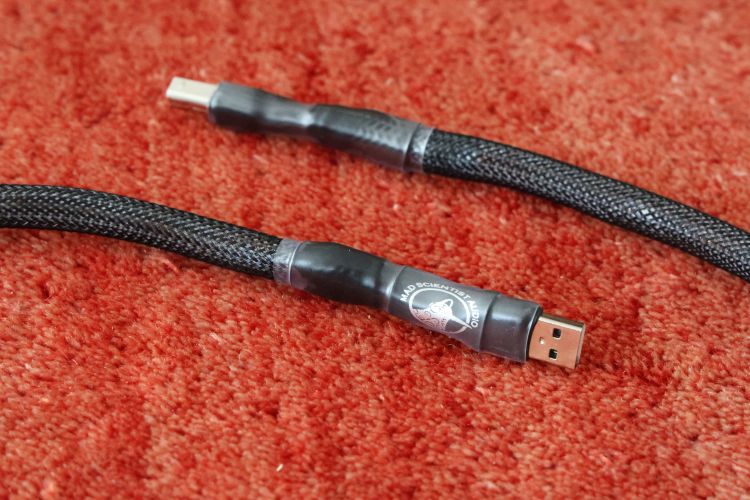
White Magic USB is the entry cable to the White Magic range. Starting at the same price as the original Black Magic, it uses a single 0.2 mm White Magic conductor paired with a precision-engineered Teflon dielectric and a simple yet highly effective screen. Contrary to earlier designs, this cable is very supple and bends easily.
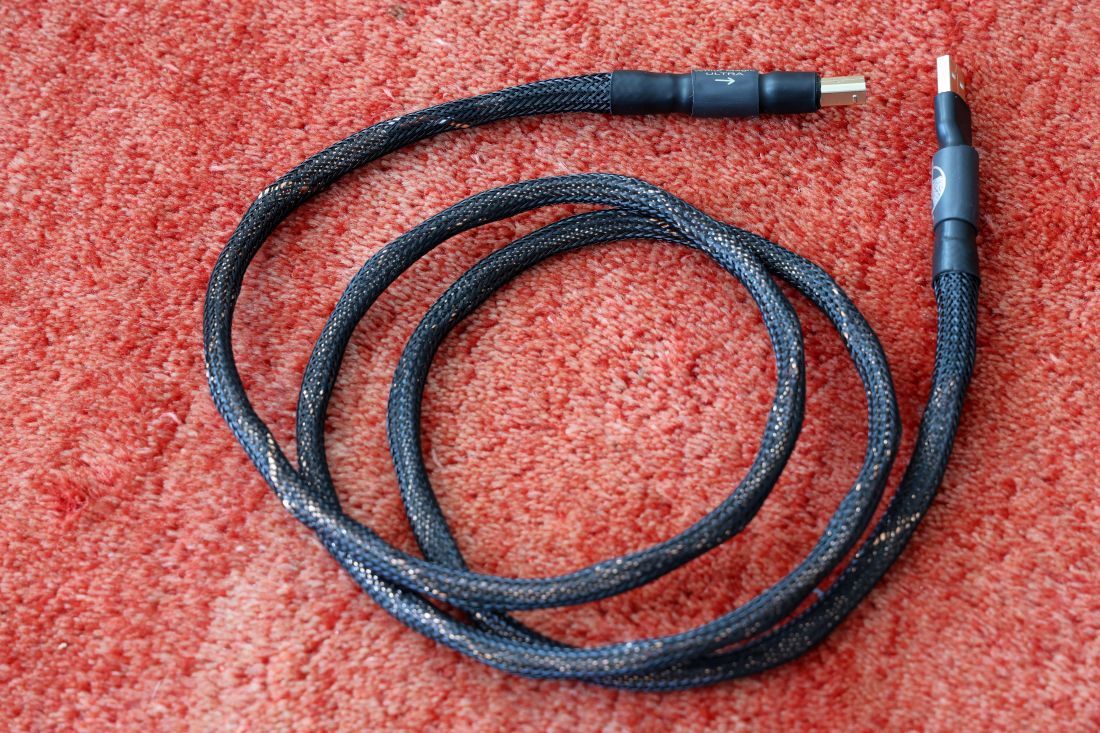
White Magic Ultra USB Cable
At the same price as the original Black Magic Ultra, the White Magic Ultra model boosts performance with a hybrid 0.1 mm and 0.2 mm White Magic conductor array, arranged to optimize current distribution and reduce signal-induced resonance. Its triple-layer screening system, tuned for broadband RF absorption, further lowers the noise floor while preserving dynamics and detail. Compared to the entry-level White Magic, the Ultra is slightly stiffer, especially near the DAC end. This is due to the more elaborate shielding. It can still be a little stubborn if you try to bend it opposite its natural bend direction, but on balance, it’s a pretty supple cable, especially compared to the older Black Magic Prime.
Running In
The two USB cables arrived already well on their way to being run-in, having been connected to a Cable Cooker for one week before delivery. Typically, the cables take a couple of days to reach most of their performance, but they keep improving for up to 200 hours. After I started listening, I could hear the cables continue to bed in over successive days. Upon first listen, they sounded crisp and open, but they soon mellowed, becoming warmer, smoother, and more relaxed. After a couple of days, I heard no more changes.

Review Context
I reviewed the two USB Cables in the main system, comprising the CH Precision C1.2 DAC, L1 preamplifier, and A1.5 power amplifier. As the main digital source, I used the Antipodes Oladra. Speakers are the Apogee Duetta Signature (refoiled). All interlinks are Driade Flow Link Reference 808, and the speaker cables are Driade Flow Reference 808. All components (including review components where applicable) are powered by the PS Audio P20 PowerPlant.
Next: Listening and Conclusion