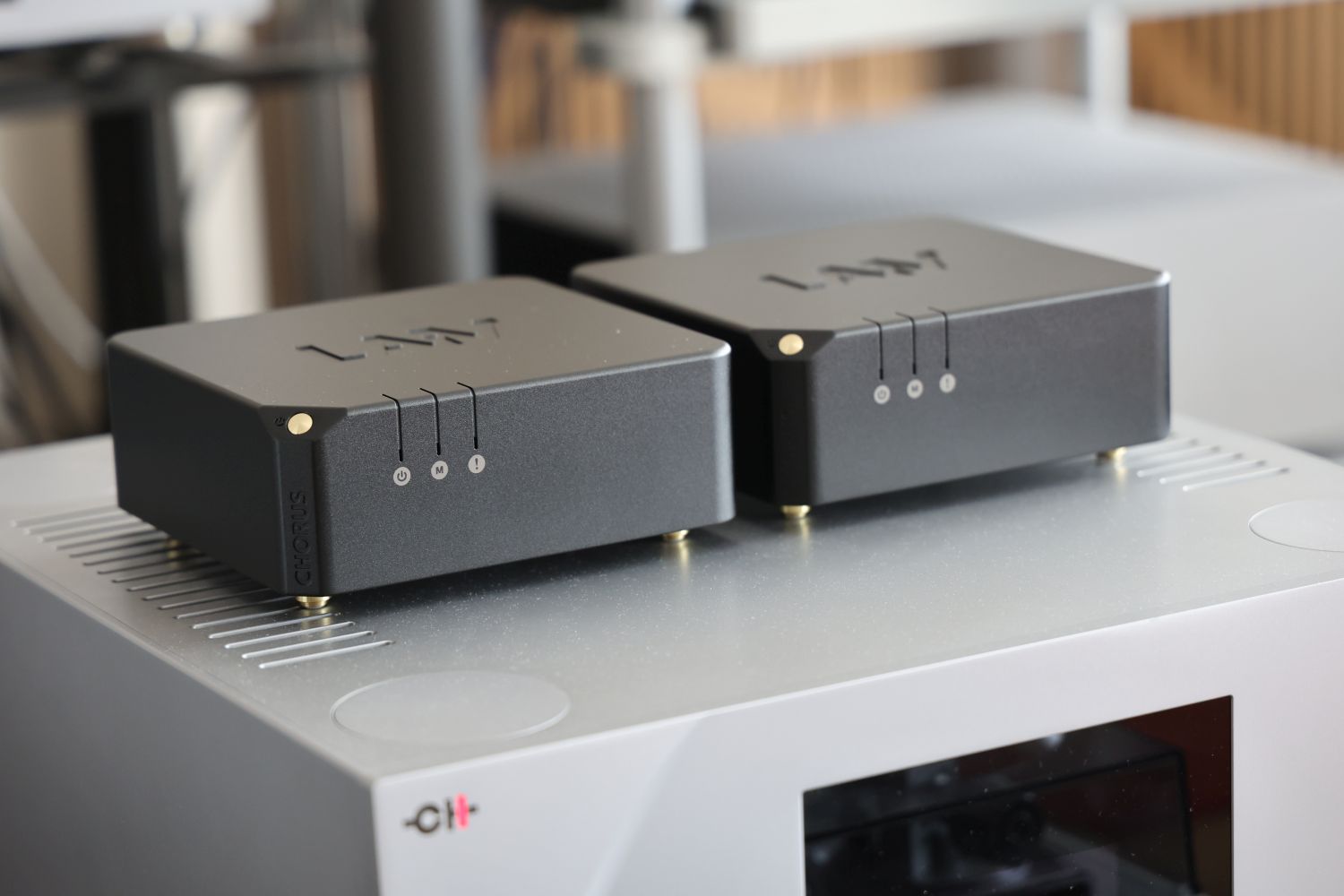
LAiV Crescendo CHORUS stereo/mono GaN power amplifier

Review Context
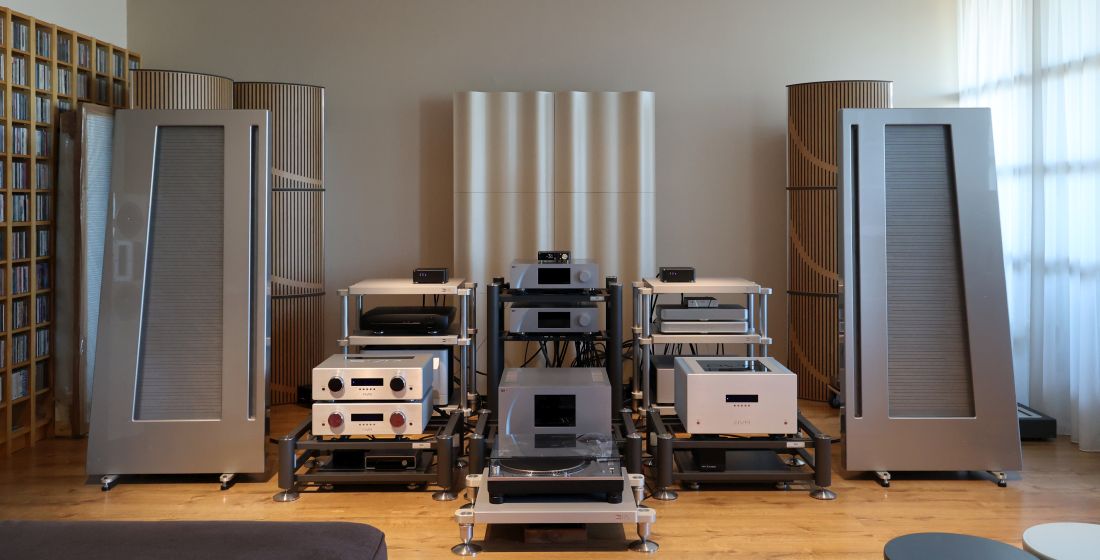
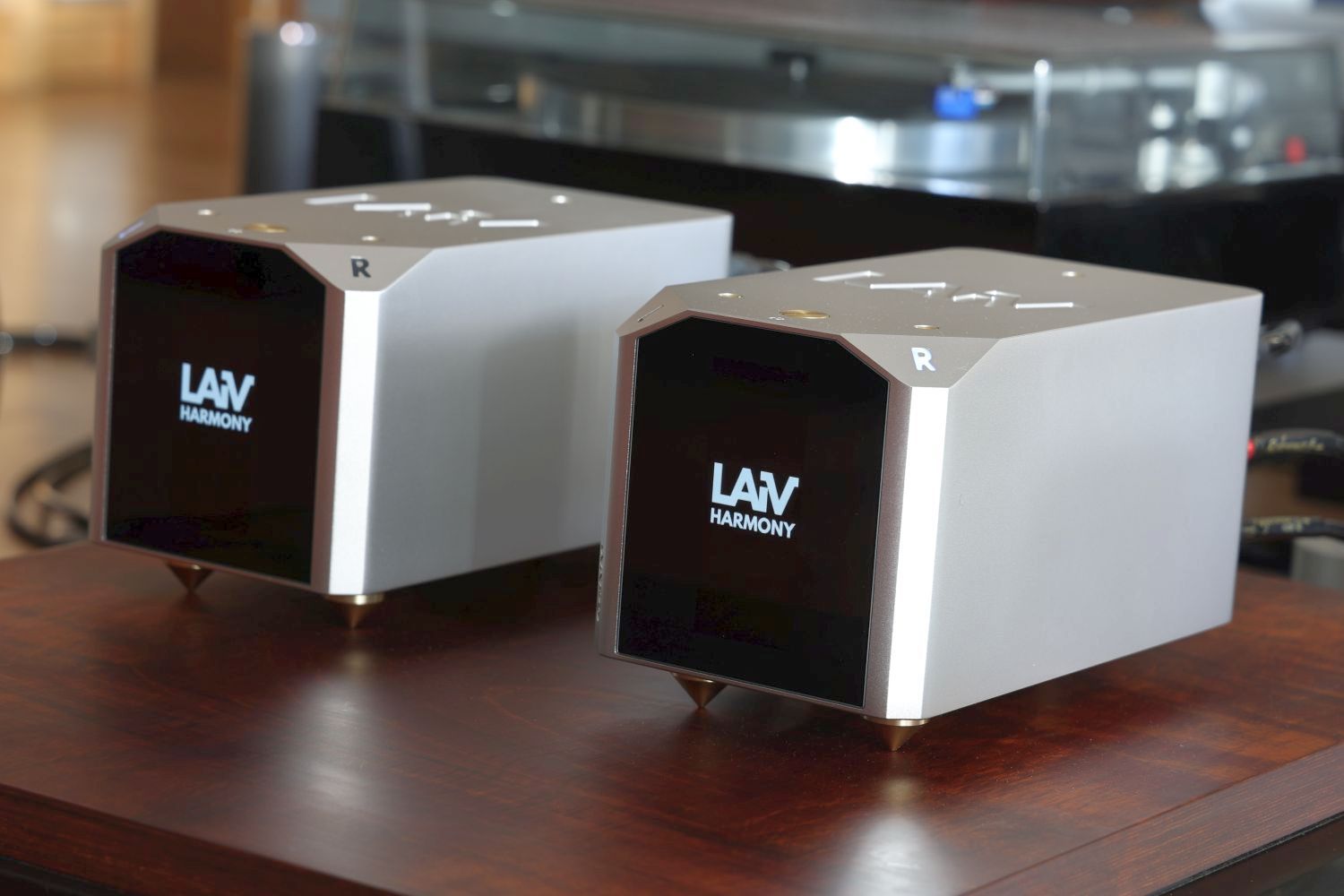
I received two Chorus power amplifiers, so I can test a single unit in stereo and a pair in bridged mono operation. They were listened to in the main system, comprising the CH Precision C1.2 DAC, L1 preamplifier, and A1.5 power amplifier. In addition, the LAiV Verse DAC and the LAiV GaNM power amplifiers are available for comparison. Digital sources include the Aqua La Diva M2 CD Transport, Antipodes Oladra, and Grimm MU1 music servers. A range of power cables was used, but the same types were always used when making comparisons. Speakers used are the Apogee Duetta Signature (recently fitted with new foils), the Driade Premium Model 9, the Apertura Armonia Evo, and the Adamante. All interlinks are Driade Flow Link Reference 808, and the speaker cables are Driade Flow Reference 808. All components (including review components) are powered by the PS Audio P20 PowerPlant.
Listening
Starting with the Chorus in stereo mode, driving the Apogee Duetta speakers instead of the CH Precision A1.5 reference power amp, and using the CH C1.2 DAC and L1 preamp as its source, the amplifier makes a surprisingly good start. As one might expect, the Chorus does not perform on the same level as the A1.5. That is to be expected with a 40x price difference. However, what I did not expect to hear was a similar level of resolution, refinement, fluidity, and air. Given the massive price discrepancy, that’s quite something.
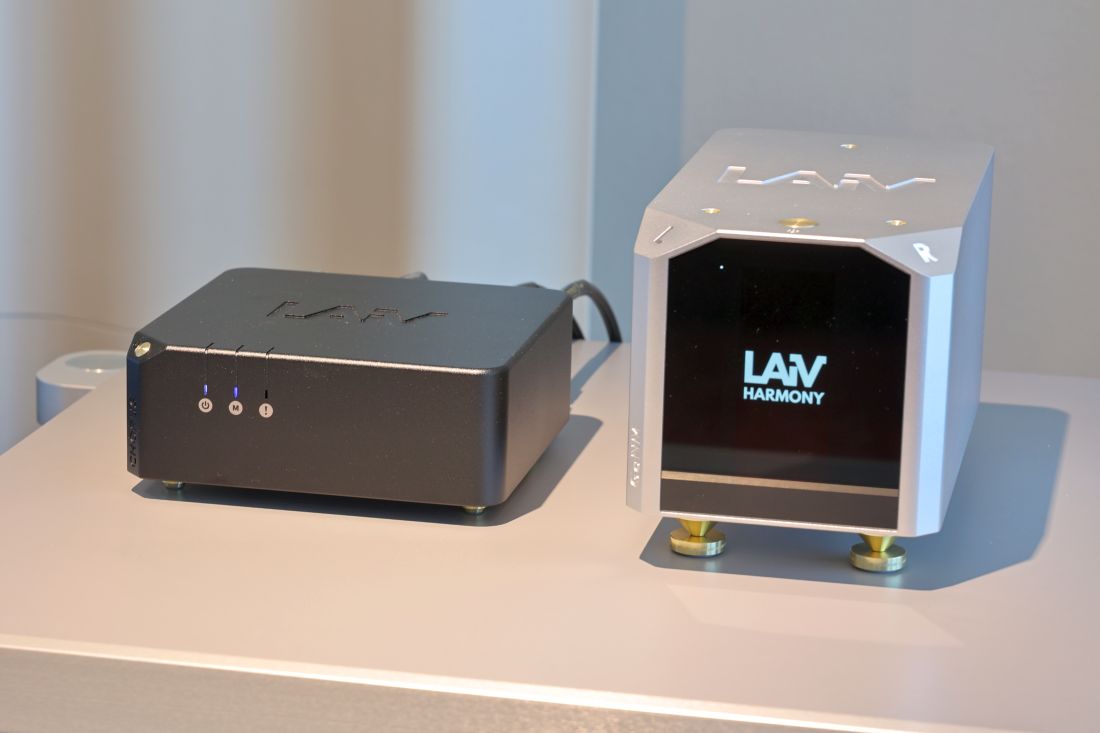
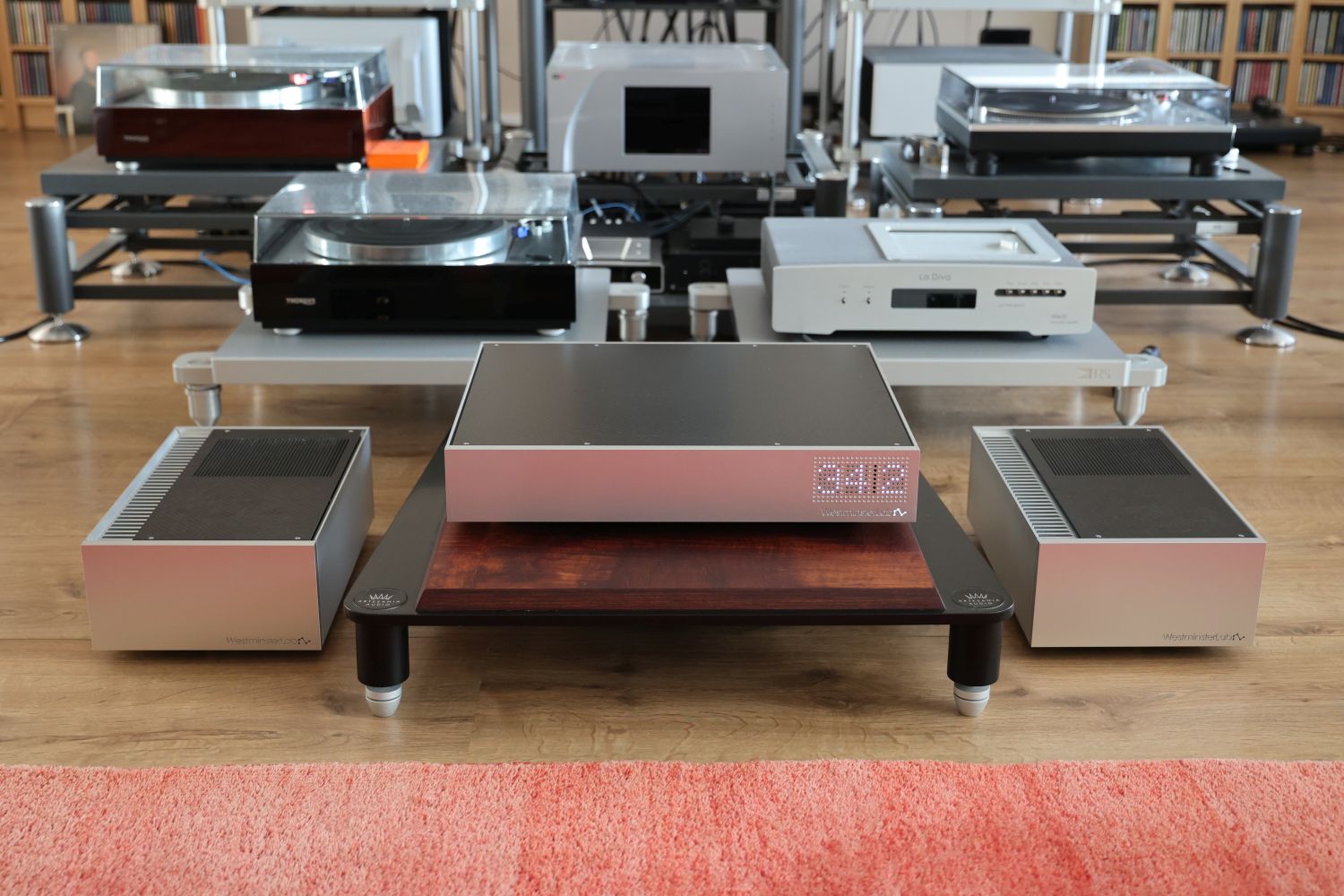
For a much fairer comparison, I also set up the Laiv GaNMs. To provide the same conditions, I positioned the GaNMs on the supplied discs, which have the same soft rubber underside as used by the Crescendo components. After allowing the four amplifiers a few hours of warm-up time, the Chorus units feel warmer to the touch than the GaNMs, which run almost entirely cool.
Compared with these larger, more powerful, and still five times as costly models, the Chorus has a predominantly different sonic presentation. I expected to hear of a significant performance gap, but the differences are, for the most part, relative. The Chorus, in stereo mode, does not sound as solid and expressive as the GaNMs. On the other hand, the new amp is sweeter, warmer, and more delicate, with airier and more fluid treble. While the GaNMs have a purer, timbrally more realistic delivery with spicier transient behavior, the Chorus amplifier still has excellent grip and is every bit as resolving.
I should also add that the GaNMs are pretty bold and direct. In some combinations and to some ears, they can sound dry or maybe a little rough. This is not the case with the Chorus, which is deliberately designed to sound richer and smoother. Indeed, the GaNMs sound a little rough when combined with the Duettas, whereas the Chorus amplifiers are more forgiving, and in terms of fluidity and refinement actually behave a little more like the CH A1.5.
When switched to Bridged Mono and using two Chorus amplifiers, the amplifier seriously steps up the game. The output level is now significantly higher; technically, it should be 3dB, but it feels like more. It’s as if the musical performers woke up, had their morning coffee, and are ready for action. When using two Chorus amplifiers in Bridged mono mode, all the refinement and sophistication is retained, with increased solidity, drive, expression, and dynamics. Apparently, in this case, 1+1=3.
Verse + 2x Chorus
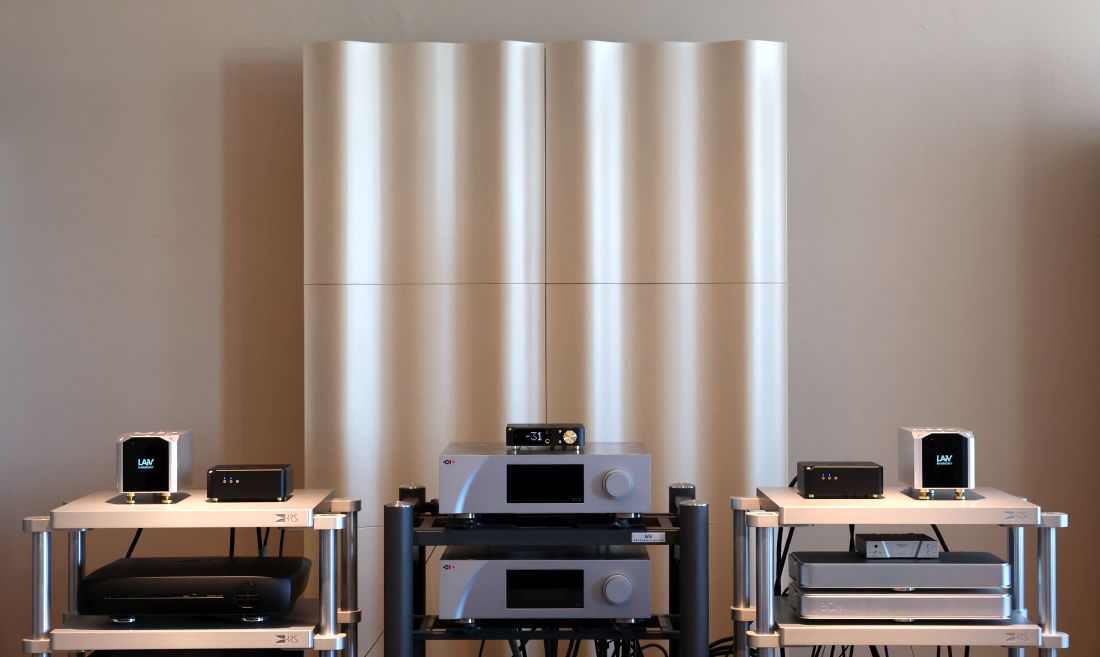
Replacing the CH C1.2 DAC and L1 preamp with the LAiV Verse DAC/Preamp drastically reduces the system’s size and cost, and one would expect an equally drastic drop in performance. And of course, the Verse does not offer the same level of performance as the Swiss Reference Components. However, the resulting sound still surpasses expectations. The trio sounds sweet, sophisticated, and highly refined, and on the whole, it performs at a clearly higher level than similarly priced integrated amplifiers. It’s so accomplished that one would need to invest at least twice as much to make a significant performance improvement. For instance, the LAiV HP2A preamp alone costs as much as the Verse and two Chorus amplifiers. But compared to the Verse, it also raises the sound quality in multiple areas, such as tightness, conviction, expression, and timbre, and brings the sound closer to the CH L1, which is even better across the board.
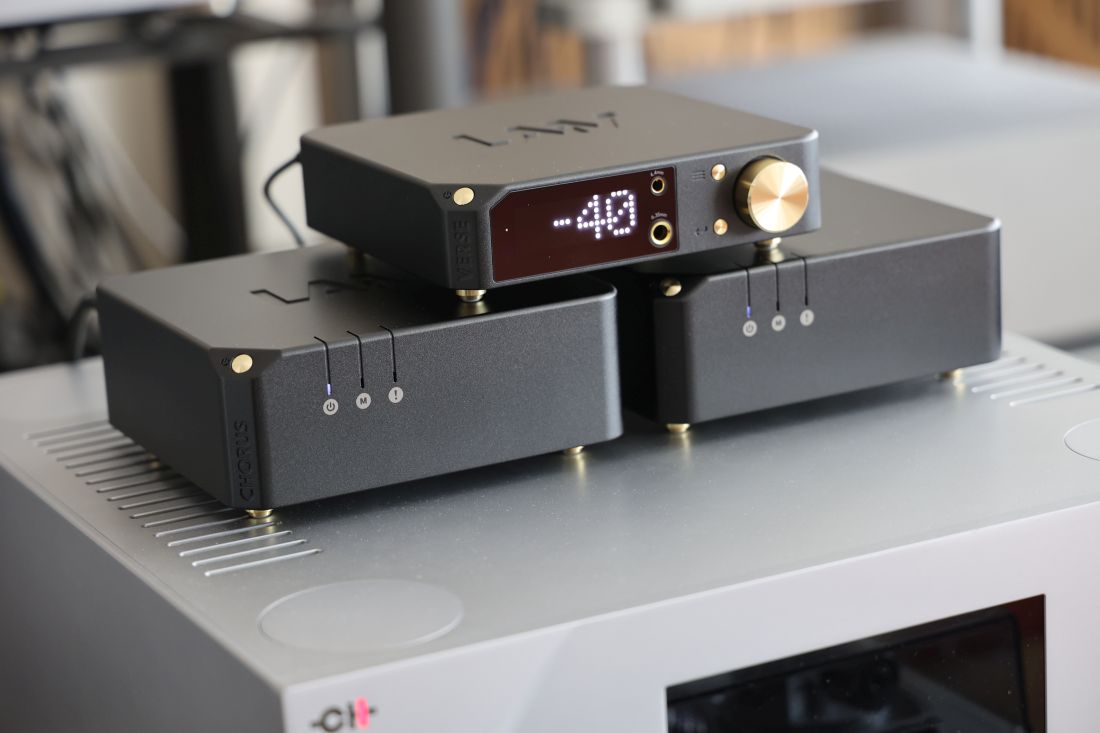
Nevertheless, this modest system exhibits unexpectedly high resolution, with a fluid, airy, and liquid nature. The overall balance leans slightly toward the warm side of neutral and is invitingly smooth, delicate, sophisticated, and friendly. Tonally, the system sounds neither lean nor fat, and has just the right amount of saturation. Pacing is also just right, neither slow nor hurried.
Technically, the trio ticks many of the most important audiophile boxes. The only areas of critique are timbre and texture, where the HP2A and GaNMs perform more convincingly realistically, but even so, the Verse and Chorus perform ridiculously well at the price point. What’s more, the combo also delivers musicality with the ease of a competent Class AB design. One wouldn’t expect it from class-D amplifiers, but they are also quite lyrical and emotionally engaging.
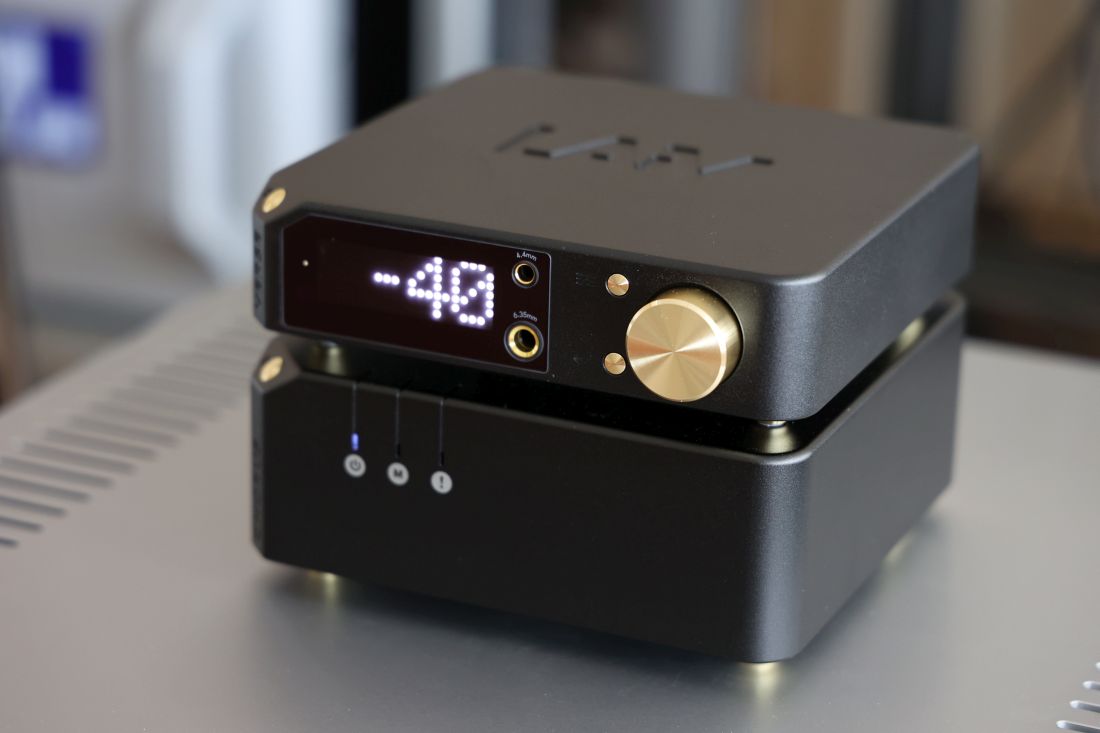
The Chorus has no trouble at all driving the Apogee Duettas, not even when using a single unit in stereo mode. These Apogees are not terribly hard to drive (they are not Scintillas), but they are quite inefficient and very revealing, and they are known to highlight flaws in recordings and equipment. If there is any sharpness in the chain, the Duettas will make it known. With the LAiV system, however, the sound is smooth, fluid, natural, and forgiving.
Next: Other speakers and Conclusion
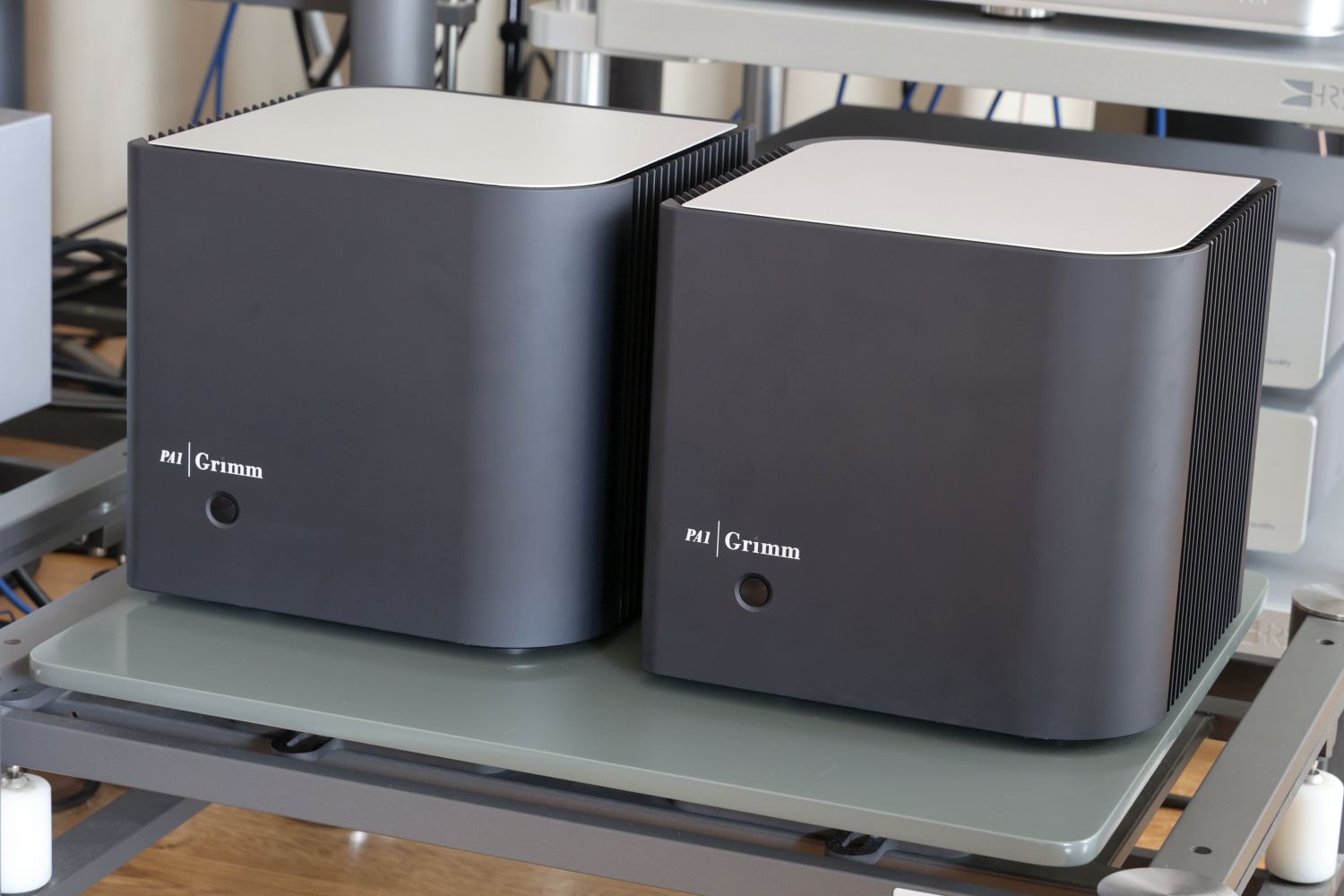
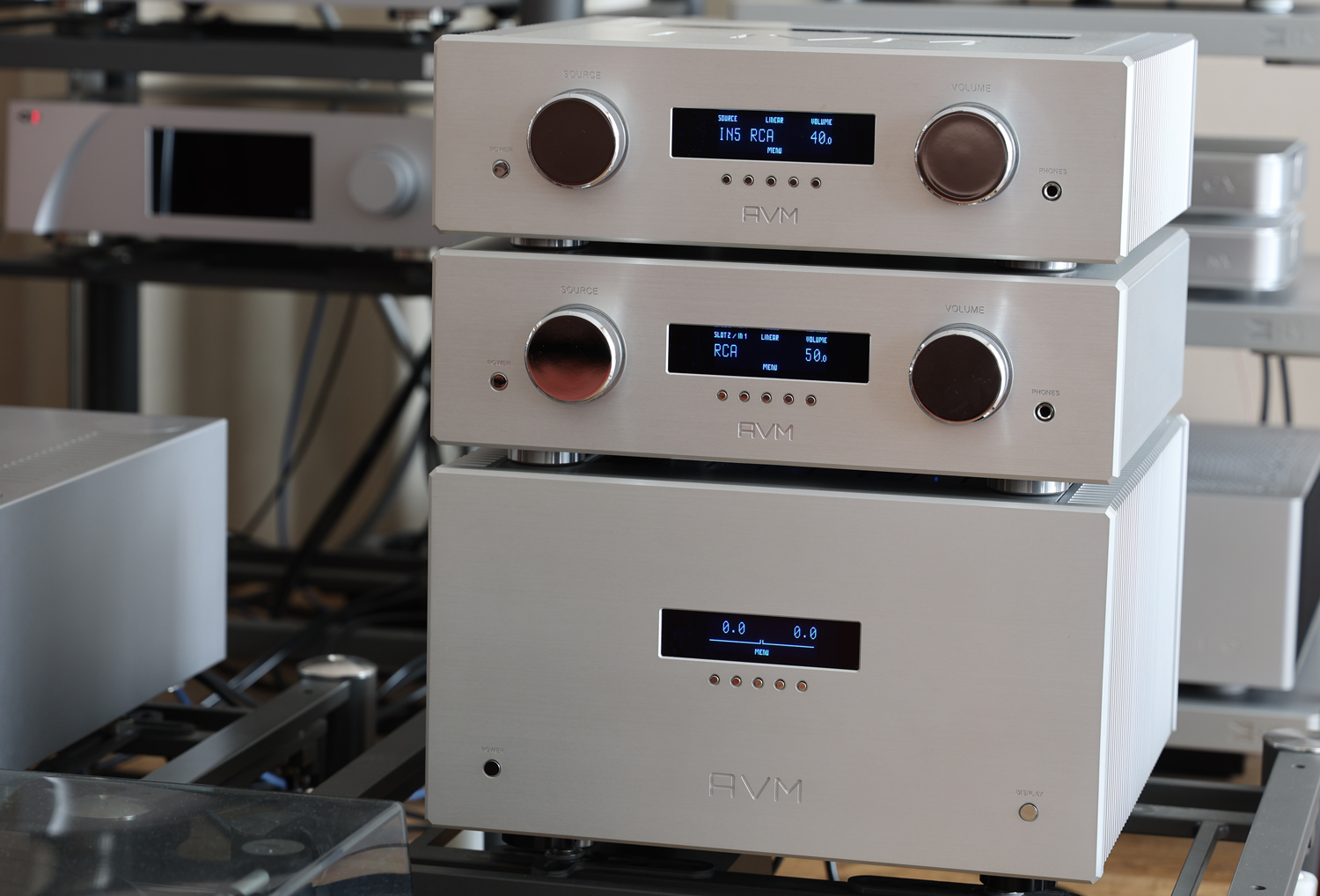
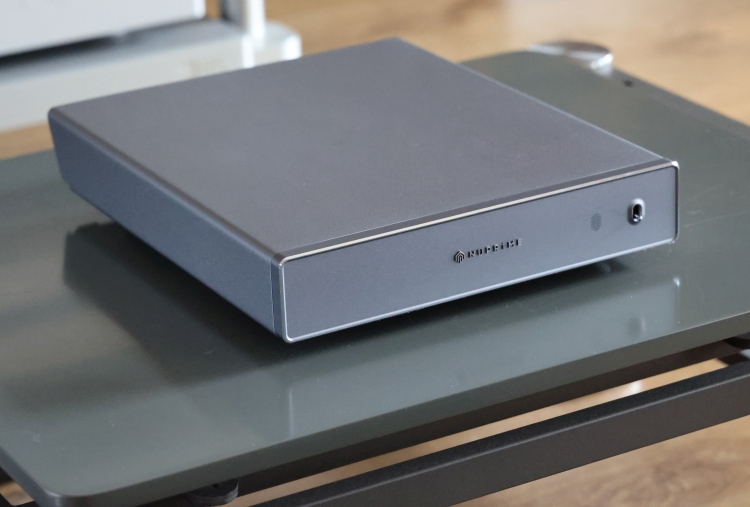

How do they compare to similarly priced competitors like NuPrime AMG STA-SE?
The Chorus sounds very different from the GaNMs in key areas, and actually more like the NuPrime AMG-STA in terms of smoothness, flow, and refinement. But it’s been a while since I heard the NuPrime, and without a direct comparison, I can’t specify precisely how they compare.