Switching to the Aavik I-188
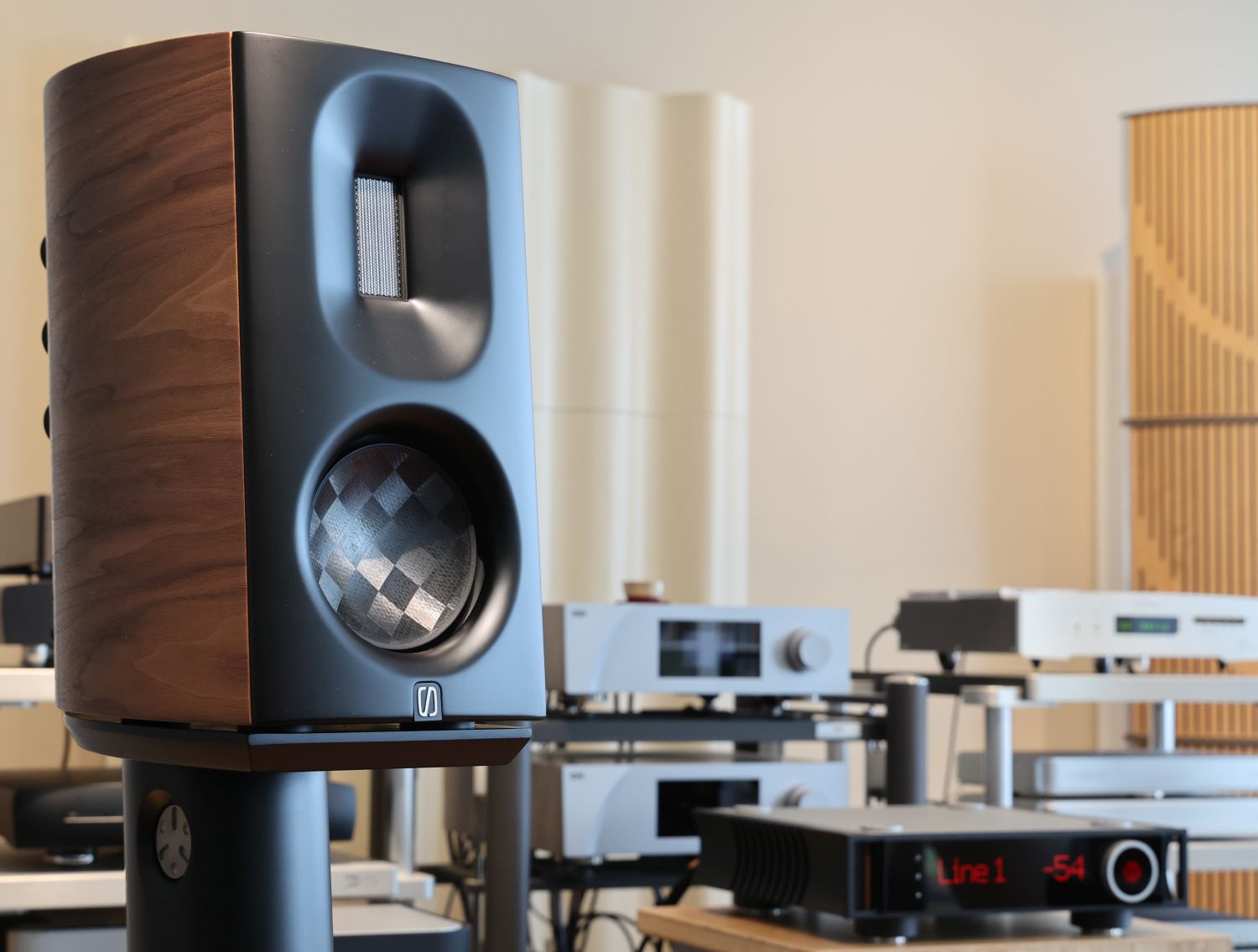
Since the Aavik I-188 is a purely analog integrated amplifier, I retained the same sources and DAC, patched to the Aavik’s Line 1 RCA input. The Aavik’s remote control also operates the CH L1 preamp and vice versa, which can be confusing, but such overlap can and does happen sometimes. The solution is to cover or switch off the unit you’re not using.
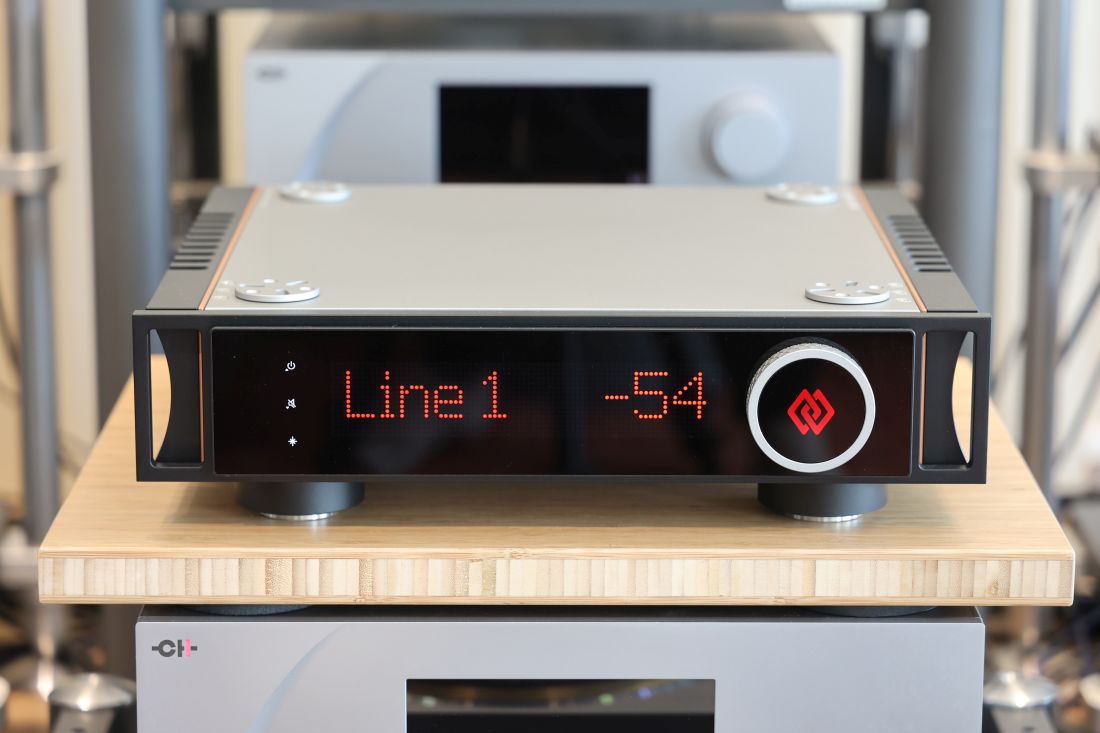
I’ve reviewed the U-588, but the I-188 is clearly very closely related. It has the same neutral balance and, from memory, offers very similar performance. I suspect that the U-588 was even cleaner and more refined, but they’re so close that I’d have to hear them side by side to know for sure. In any case, even if 15K isn’t pocket change, the I-188 offers what, by Aavik standards, is very good value for money.
Like most amplifiers, the I-188 needs a little time to warm up before it reaches its optimal sound. The amp has a menu function that displays the internal temperature, which can serve as a guide. The displayed value also depends on the ambient temperature. The amplifier usually starts at or near room temperature. In my case, that is around 20 degrees Celsius (68 F) this time of year. Because of the amplifier’s efficiency, it doesn’t warm up while idling. It will simply remain at 20 degrees for hours, even if the room is heated to 22 degrees. But as soon as it plays, the temperature climbs quickly. Within a few minutes, the value reads 26 degrees and stays there. There is a subtle change in sound, mainly dryness receding and the treble becoming slightly smoother, but I did not notice any obvious changes in sound thereafter, no matter how long the listening session is. For the first few days, I even left it switched on continuously, and I have a feeling that made it sound just a little lusher over time, but that’s about it. Meanwhile, its bass stays as controlled and articulate as during the first minutes after powering on. The situation is exactly the same when driving the far less efficient Apogees instead of the Børresen speakers. I can only conclude that this is one very stable amp.
Derk of Ohm Audio mentioned that the sound changes after the internal temperature rises above 32 degrees. But that’s with an I-588, so maybe that amp gets warmer than the I-188, or maybe he plays at hurricane levels. I play loud enough to annoy the neighbors, but admittedly not as loud as some of my friends. So, maybe the amplifier needs to be pushed more to reach that temperature. In any case, I feel the amplifier sounds confident, propulsive, and engaging whether it was just powered up or has been playing for hours or days.

Coming from either the CH A1.5 or the Grimm PA1 monos, the Aavik sounds incredibly confident, rhythmic, focused, and direct, yet never hard or aggressive. It isn’t a lush or romantic amplifier, and it isn’t as delicate or refined as the other two, but that doesn’t mean it lacks charm. It has a more direct and straightforward delivery than either of the other amplifiers, yet it isn’t dry or staccato, and it absolutely moves me emotionally. The Aavik is easy on the ears, and although it sounds more static, less expansive, and less free-flowing than the Grimms or CH, something about it grabs me.
It has such an optimistic nature, with commanding control, truly excellent bass, and a very neutral, remarkably well-balanced sound. Reportedly, the Aavik I-188 uses a Pascal L-PRO2S Class D amplification module, but unlike what you might expect from Class-D amplification, there is no leanness, lack of meatiness, or tonal saturation. Control, confidence, and realistic timbre are aspects I’ve come to expect from Pascal amplification throughout earlier incarnations of these modules in other equipment I’ve reviewed. However, as I know all too well from other incarnations, these benefits often come along with a mechanical feel and reduced emotionality. This is where Aavik and Ansuz’s expertise comes in. The I-188 balances control, robustness, and power with high resolution and far more refinement and flow than I’ve heard in previous designs. It’s not a lush or romantic-sounding amplifier, for sure, but Aavik addresses precisely these areas with the higher-up models.
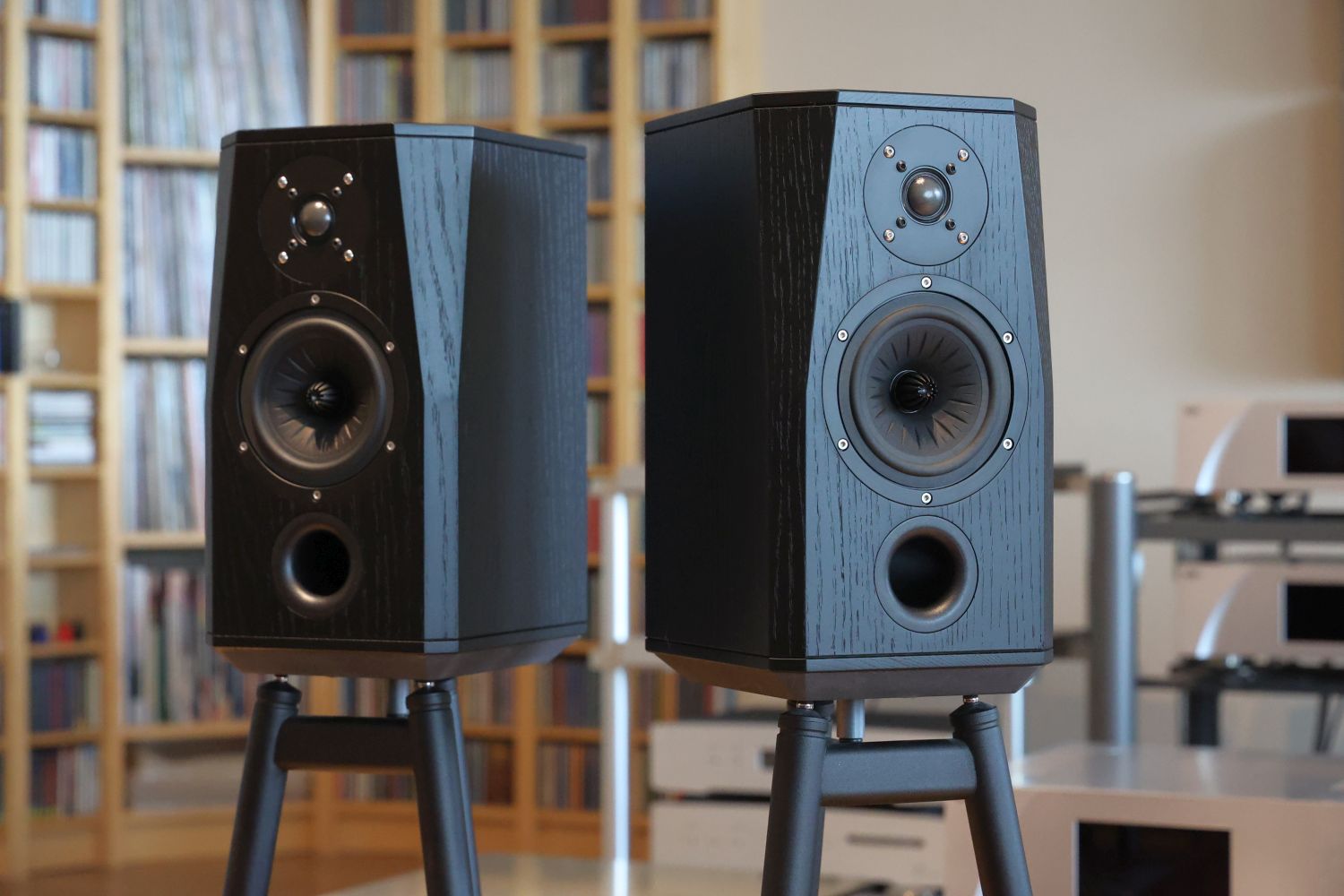
Importantly, the Børresen A1s sound really great when paired with this amp. Both products have a propulsive, optimistic character, and they amplify each other without driving it too far or diminishing any of the speaker’s attributes. There are differences, of course, but my opinion of these speakers remains exactly the same, whether I use the CH, Grimms, or Aavik.
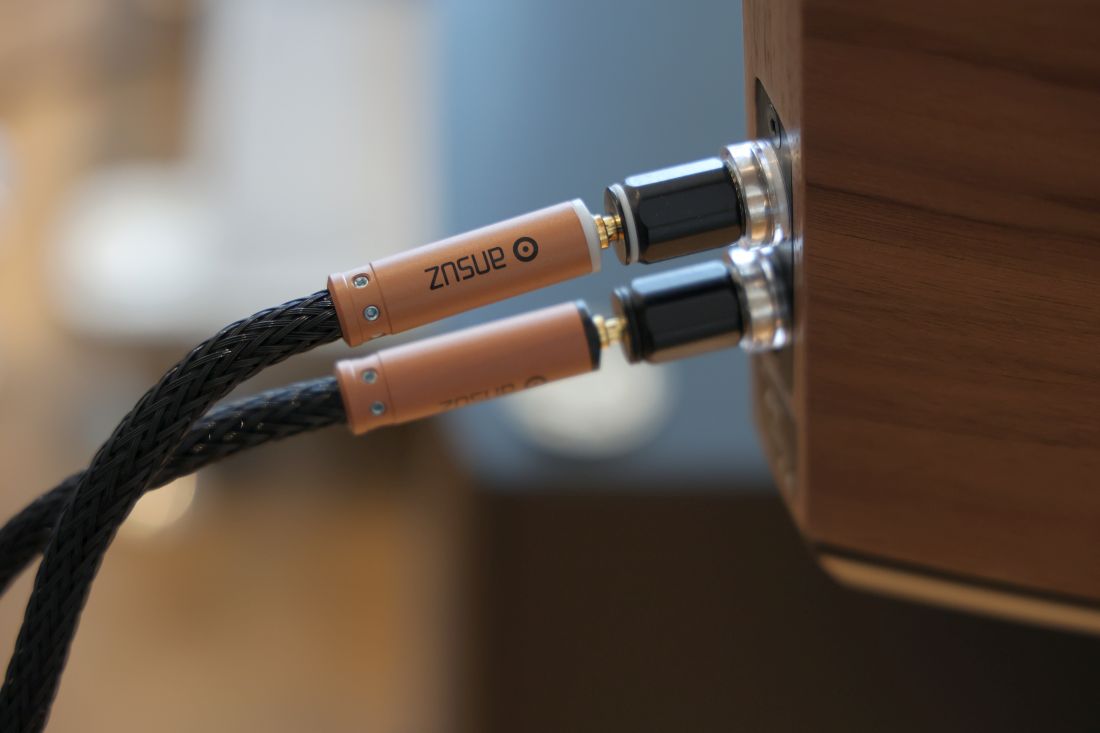
Ansuz A3 Speakz Speaker Cable
I started with the Driade cable because I use one with the Apogees and I know it well. But when using an Aavik amplifier and Børresen loudspeakers, one should really also try an Ansuz speaker cable. For this purpose, Ohm Audio supplied the beautifully finished A3 Speakz. Compared to the Driade, the Ansuz cable is just as open and detailed, if slightly less airy and delicate in the treble, but that’s true of nearly all cables I compared it with, and it’s a matter of preference.
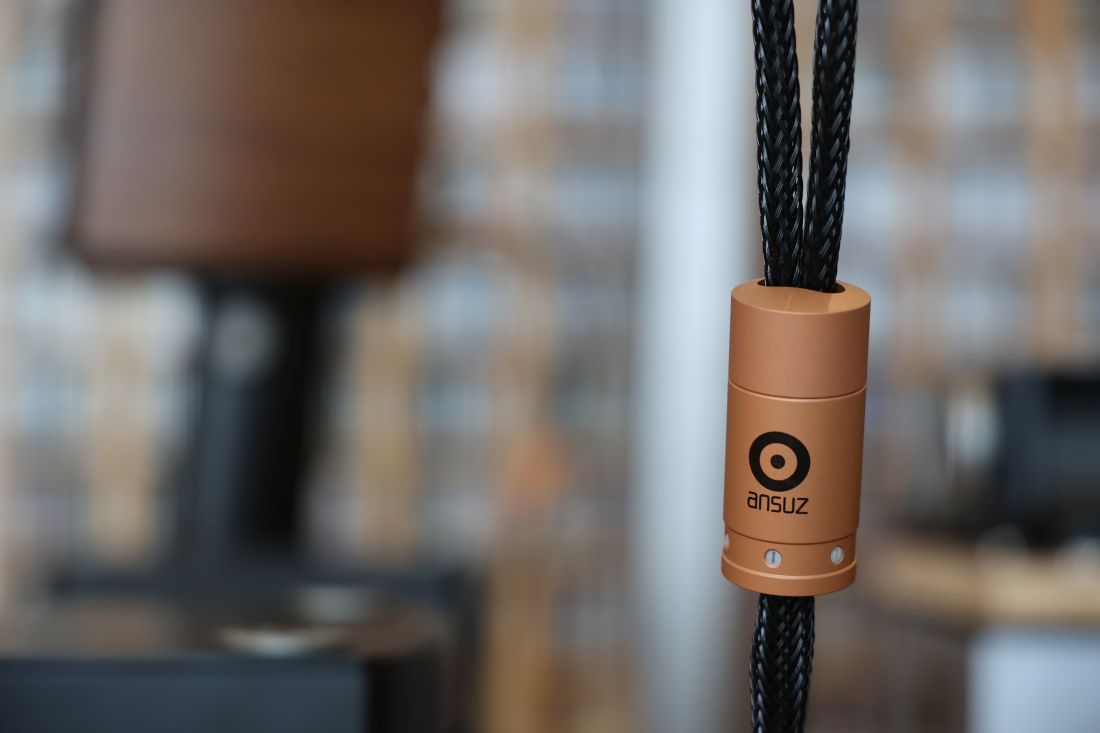
Moreover, the Børresen A1s are inherently so airy that they don’t really need more of it. The A3 Speakz counters with a more robust bass, just a touch more midrange fullness, and a very natural timbre. Although the Driade sounds very natural, the Ansuz still sounds even more natural and realistic. Even if it sounds tonally fuller than the Driade, it doesn’t add coloration, but it adds just the right amount of textured body and substance to acoustic instruments, making them sound more convincing. Generally, fuller-sounding cables also sound comparatively slower, thicker, or less expressive. With the Speakz A3, that’s definitely not the case. This is a well-controlled, nimble, and very expressive cable, and I like it a lot!
Next: Compared with Driade Premium Model 9, Removing Darkz T3S, and Conclusion