• About
    • About HFA
    • HFA Awards
    • Associated Equipment
    • Banners on HFA
    • HFA Analytics Data
    • HFA Audio Setup History
    • HFA Audio Setup Snapshots
    • Sitemap
    • Contact
  • HFA Awards
  • Reviews
    • All Reviews
    • Amplifier
      • All Amplifier Reviews
      • Integrated Amplifier
      • Preamplifier
      • Power Amplifier
      • Phono Preamp
    • Loudspeaker
      • All Loudspeaker Reviews
      • Passive Speaker
      • Active Analog Speaker
      • Active Digital Speaker
    • Digital
      • All Digital Reviews
      • CD Player
      • SPDIF DAC
      • USB DAC
      • Music Server
      • Network Player
      • Digital Recorder
      • Digital Interface
      • Audio Software
    • Turntable and Accessories
      • All Turntable and Accessories Reviews
      • Turntable
      • Tonearm
      • Phono Cartridge
      • Turntable Accessories
    • Cable
      • All Cable Reviews
      • Analog Interlink
      • Phono Interlink
      • Speaker Cable
      • Power Cable
      • Digital Cable
    • Accessories
      • All Accessories Reviews
      • Racks / Stands / Feet
      • Tuning / Tweaks
      • Power Connector
    • Industry Update
  • Insights
    • All Insights
    • Analog Insights
    • Cable Insights
    • Connector Insights
    • Digital Insights
    • Extensionblocks / Filters Insights
    • Generic Insights
    • System Synergy Q&A
  • Specials
  • Show Reports
    • All Show Reports
    • Alkmaar Audio Show
    • Chattelin Audio Systems
    • Dutch Audio Event
    • Enosound
    • HifiDeluxe
    • HifiLive
    • Munich High End
    • XFi
  • Classics
    • All Classics
    • Analog Classics
    • Digital Classics
  • Links
  • About
    • About HFA
    • HFA Awards
    • Associated Equipment
    • Banners on HFA
    • HFA Analytics Data
    • HFA Audio Setup History
    • HFA Audio Setup Snapshots
    • Sitemap
    • Contact
  • HFA Awards
  • Reviews
    • All Reviews
    • Amplifier
      • All Amplifier Reviews
      • Integrated Amplifier
      • Preamplifier
      • Power Amplifier
      • Phono Preamp
    • Loudspeaker
      • All Loudspeaker Reviews
      • Passive Speaker
      • Active Analog Speaker
      • Active Digital Speaker
    • Digital
      • All Digital Reviews
      • CD Player
      • SPDIF DAC
      • USB DAC
      • Music Server
      • Network Player
      • Digital Recorder
      • Digital Interface
      • Audio Software
    • Turntable and Accessories
      • All Turntable and Accessories Reviews
      • Turntable
      • Tonearm
      • Phono Cartridge
      • Turntable Accessories
    • Cable
      • All Cable Reviews
      • Analog Interlink
      • Phono Interlink
      • Speaker Cable
      • Power Cable
      • Digital Cable
    • Accessories
      • All Accessories Reviews
      • Racks / Stands / Feet
      • Tuning / Tweaks
      • Power Connector
    • Industry Update
  • Insights
    • All Insights
    • Analog Insights
    • Cable Insights
    • Connector Insights
    • Digital Insights
    • Extensionblocks / Filters Insights
    • Generic Insights
    • System Synergy Q&A
  • Specials
  • Show Reports
    • All Show Reports
    • Alkmaar Audio Show
    • Chattelin Audio Systems
    • Dutch Audio Event
    • Enosound
    • HifiDeluxe
    • HifiLive
    • Munich High End
    • XFi
  • Classics
    • All Classics
    • Analog Classics
    • Digital Classics
  • Links
scroll down for more
USB DAC Reviews

LAiV Harmony DAC 2

Christiaan Punter 15 October 2026 No Comments
  • Facebook
  • Twitter
  • LinkedIn
  • Pinterest
  • Email

Listening – Main system

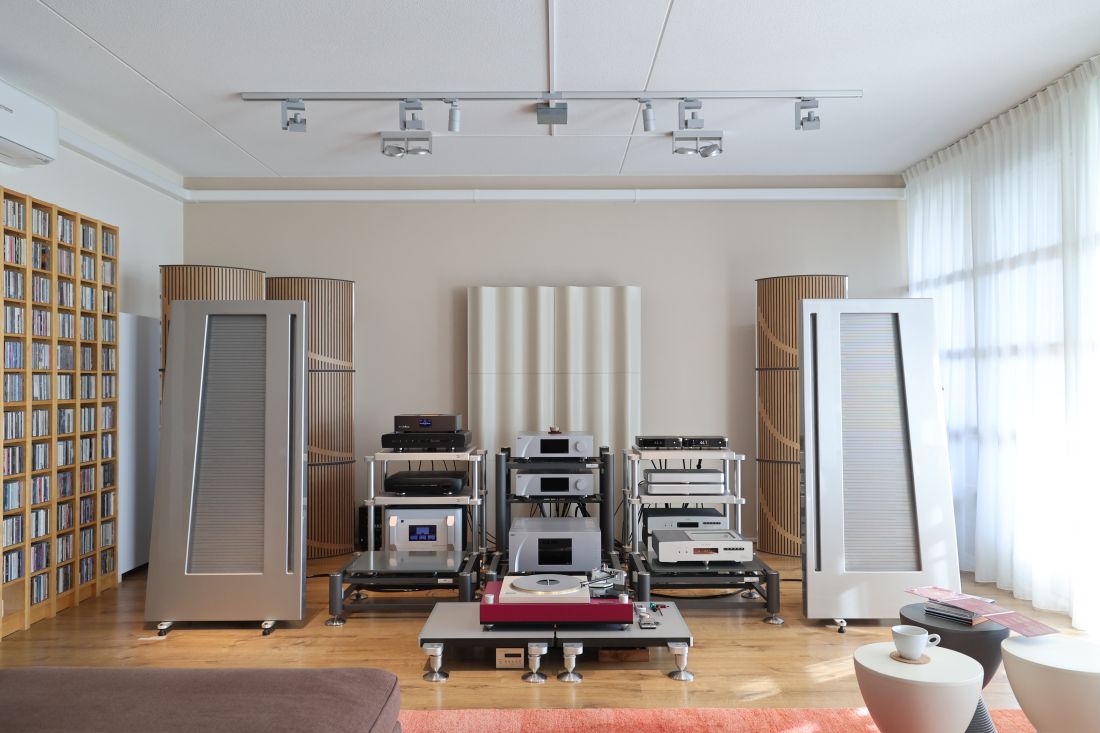
For the second comparison, I moved both DACs to the main system and used two identical Belden 19364 power cables with Bals Schukos and Oyaide C-004 IEC connectors, connected to the PS Audio P20 Power Plant. Instead of USB, I now used the coax inputs from the Aqua La Diva M2 CD transport. Since this transport has multiple outputs, I could connect both DACs simultaneously using identical Silent Angel Bastei coax cables. At the same time, I also connected my reference DAC, the CH Precision C1.2, via AES/EBU. I then connected both DACs to the CH Precision L1 preamp using identical Driade Flow Link Reference 808 XLR interlinks, so I could comfortably switch between the two DACs from the listening position.
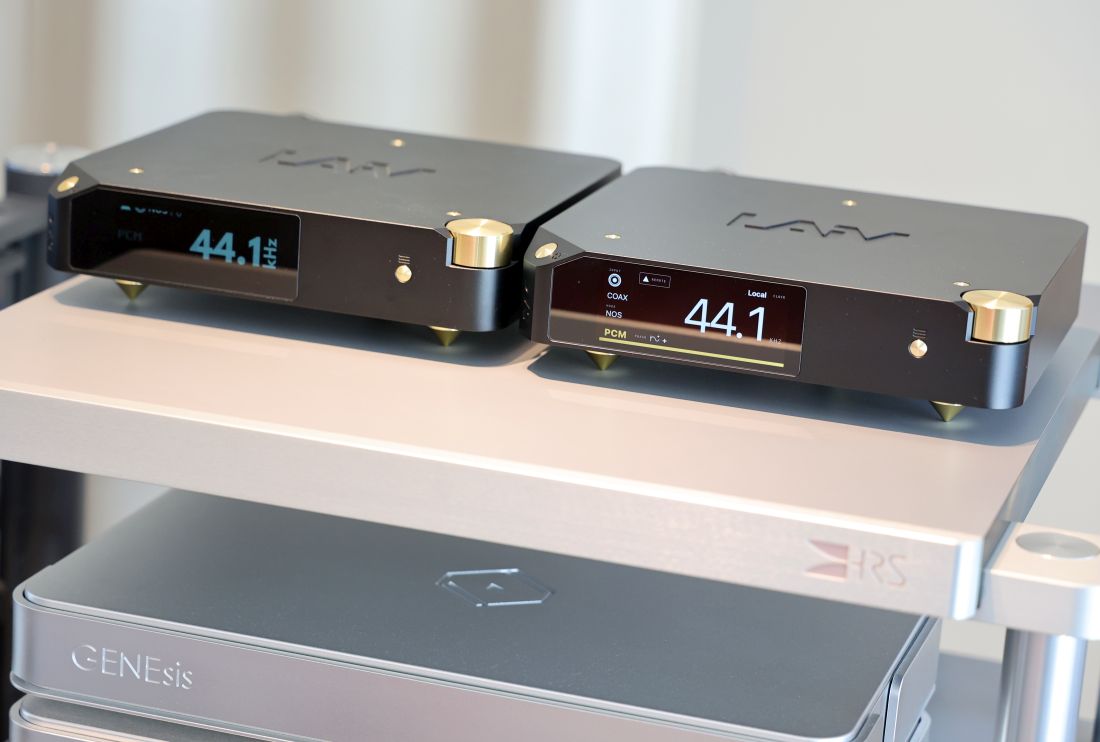
The Harmony DAC 2 lets you use both RCA and XLR outputs at the same time. With the original Harmony DAC, you could also do this, but the downstream components’ input impedances would add up, leading to a noticeable reduction in expression. Connecting multiple cables to an audio component always has an audible effect through shared grounds and other interactions, no matter the design, but the individual buffers significantly reduce the aforementioned negative aspects.
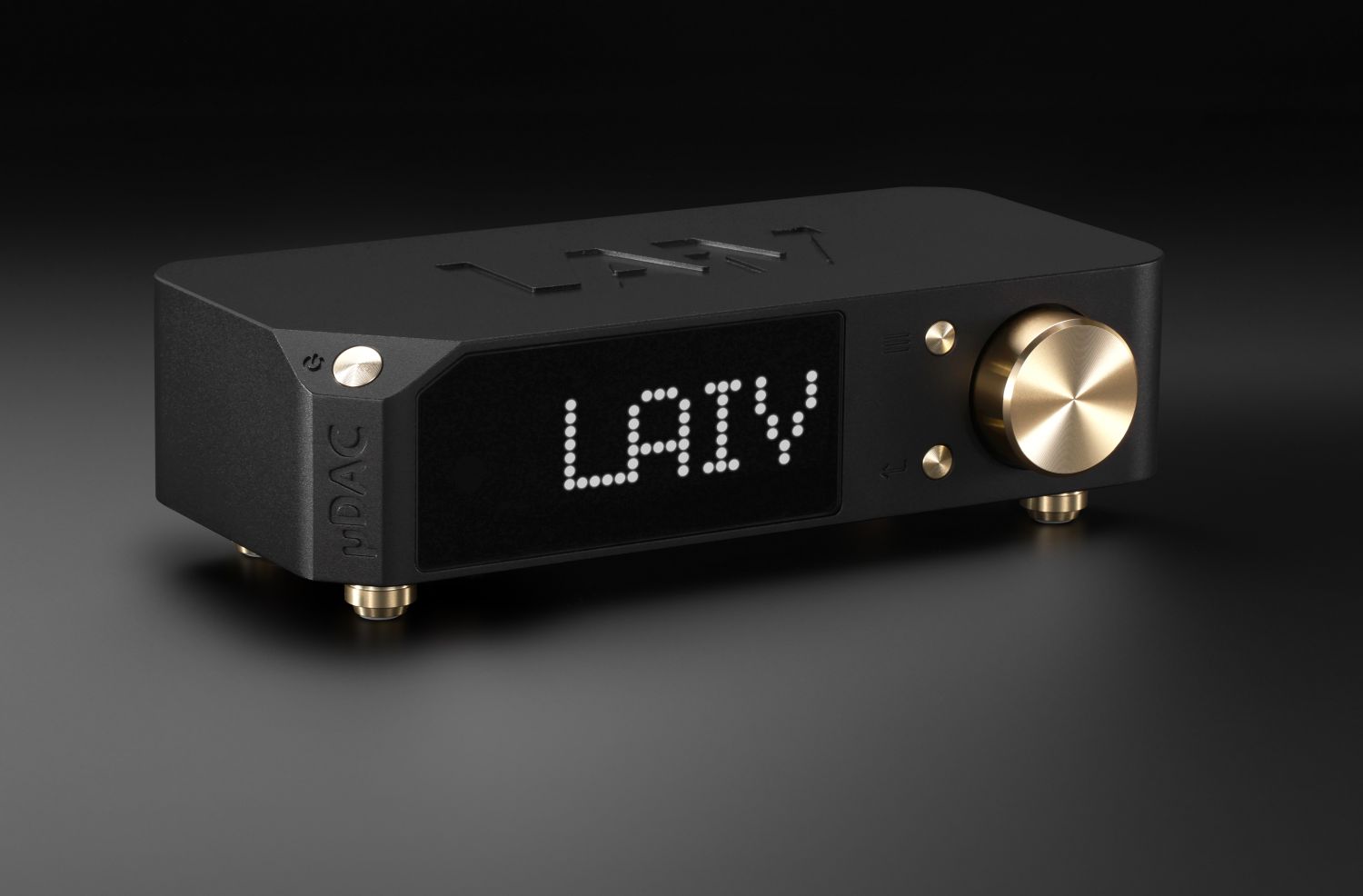
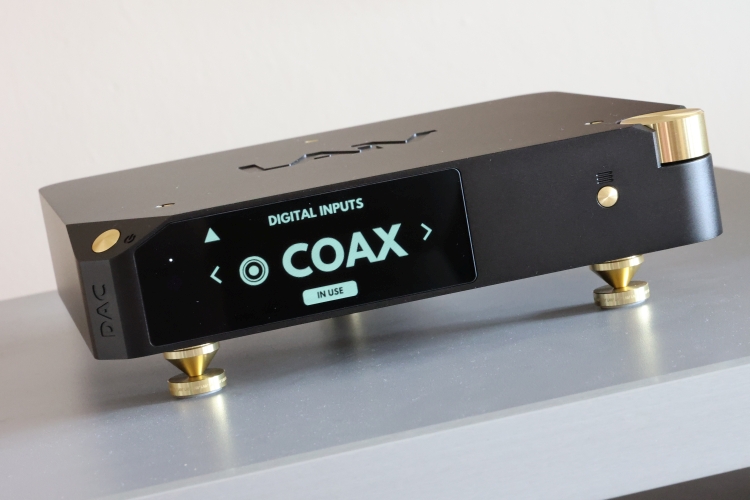
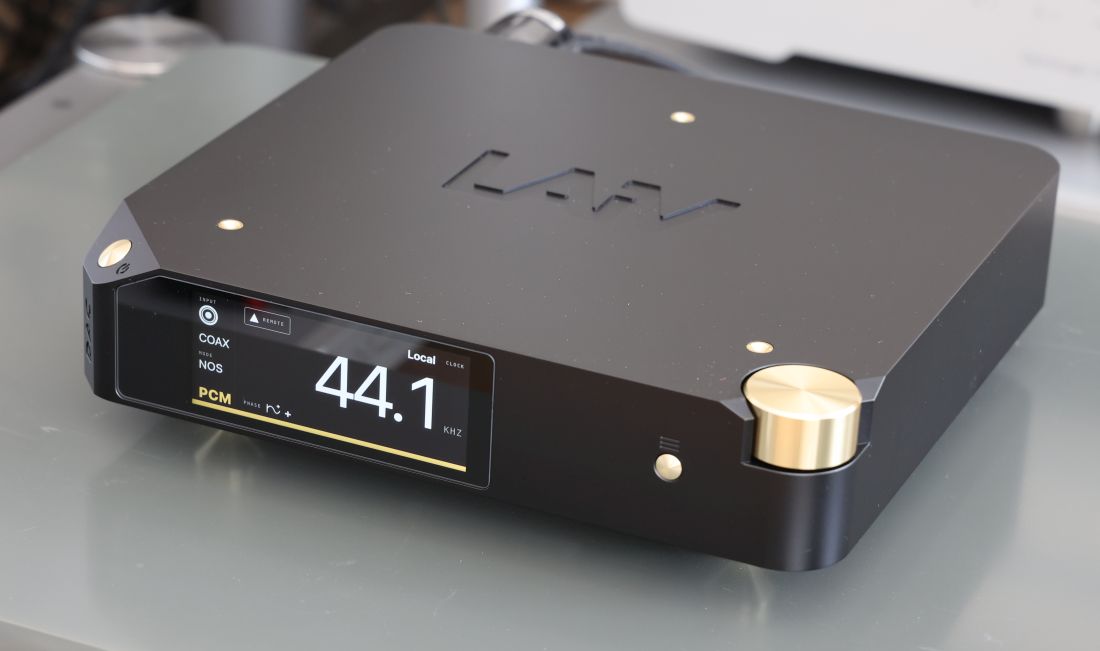
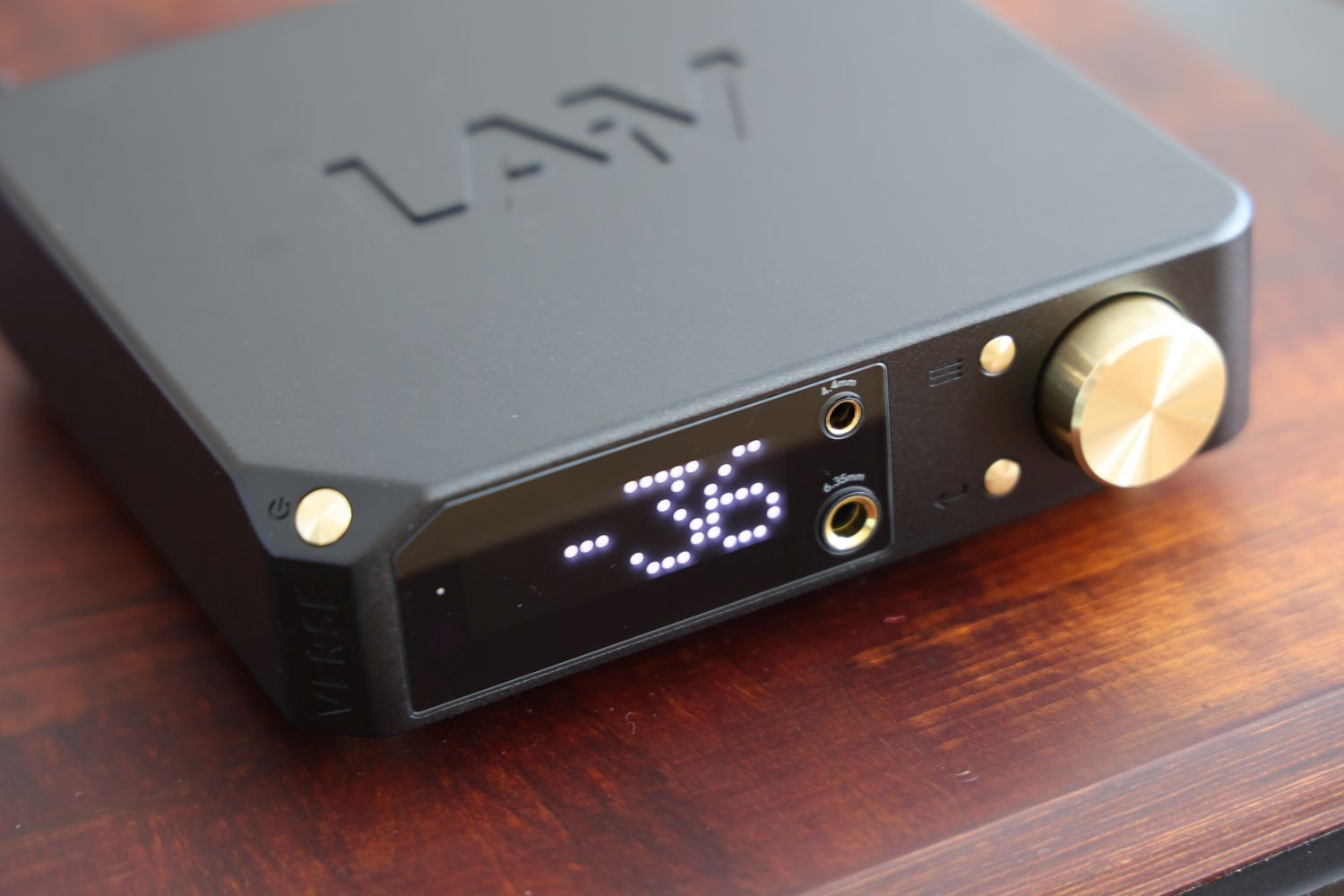
Another major change is its crisp, informative screen. How I wish more manufacturers would offer the possibility to choose between an information-dense or simplified interface! On a desktop, or if you have 20/20 vision, the former is ideal because it shows all the relevant information at once. The latter shows less information but with larger fonts, and it works better when you’re listening at a distance or when your eyesight isn’t perfect.

When comparing the two DACs in the main system, I again noted how close they are. The new Harmony DAC 2 has the edge in the exact same areas, and to the same extent. Here, too, the new DAC sounds crisper, more controlled, and more immediate, while the original Harmony DAC sounds a little more relaxed. On closer listening, I confirmed that the two DACs sound otherwise identical. For instance, I cannot hear any difference in soundstage width, depth, focus, or resolution. At this point, I should note that the DAC may develop further over the months beyond the two weeks I gave it, which might bring them even closer.

But before you rush to the Conclusion, note that the Harmony DAC 2 has a few more tricks up its sleeve, and one of them makes a large difference!
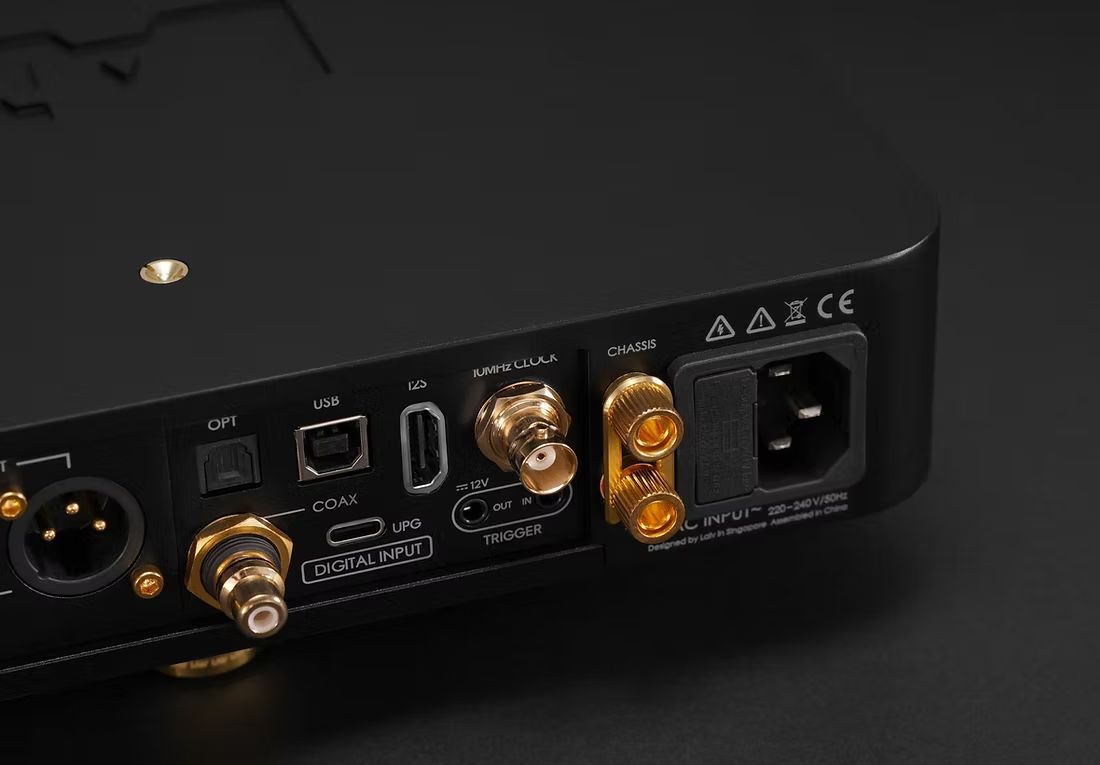
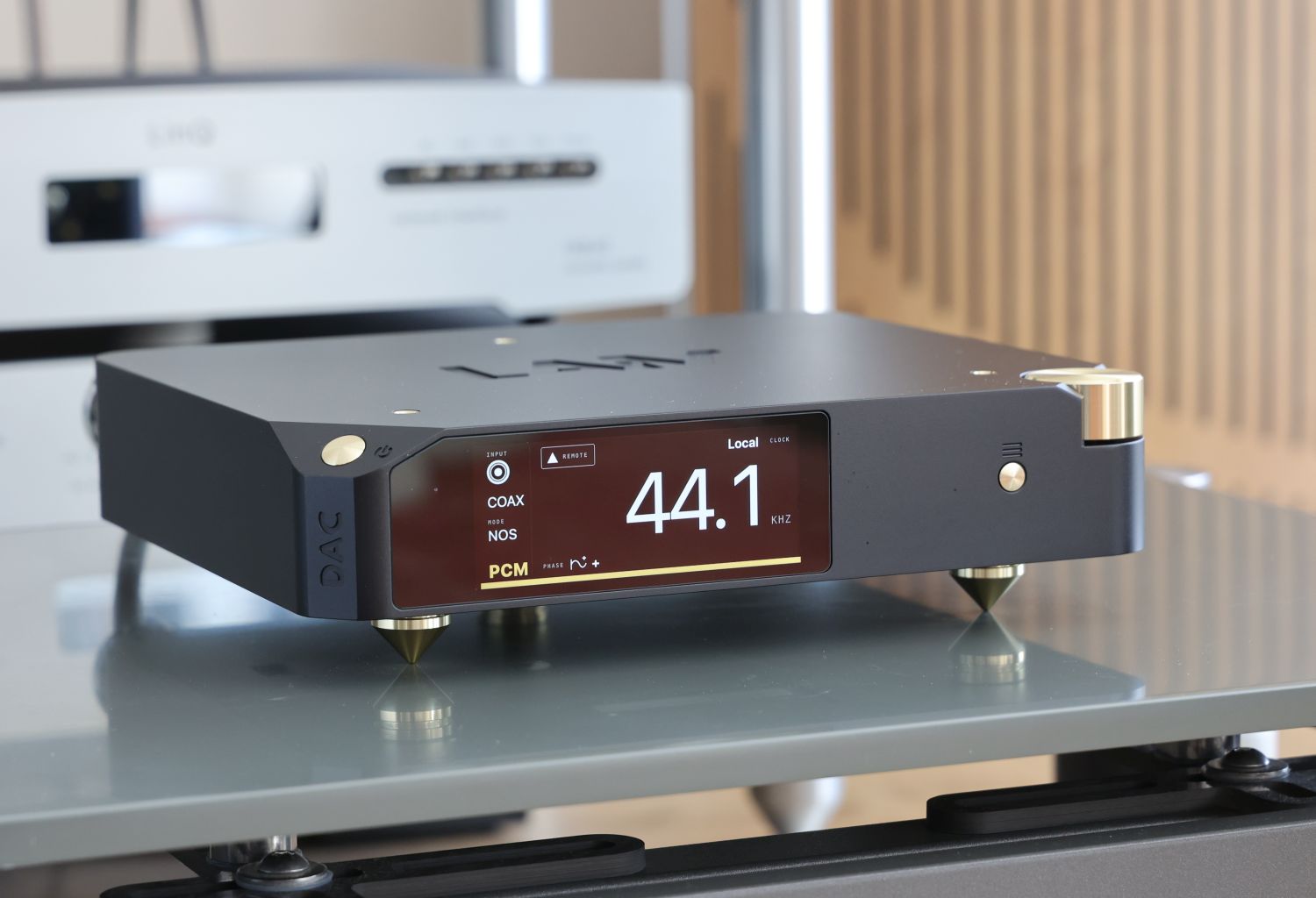
Digital inputs: TOSLink Optical, USB, I2S, and Coax. The USB-C connector is for applying updates via a USB flash drive. Additionally, the Harmony DAC 2 now offers an external Clock input and Trigger input and output.

External Clock Input

Perhaps its most significant new feature is an external 10 MHz clock input. Throughout my reviewing career, I’ve rarely been able to test this because I never had an external clock. However, the few times I’ve been able to run experiments with this have always underscored the importance of good clocking. This time, I do have an external clock to power the Silent Angel Bonn NX Switch. Although the Silent Angel Genesis GX clock outputs a 25 mHz clock signal for the matching Switch, it also offers a 10 mHz output that is compatible with the Harmony DAC 2.

The difference with the external clock source is immediately audible, and not subtle at all! The DAC now sounds more robust, concrete, and even more resolute. By comparison, it’s a little drier, but also more precise; those qualities often go hand in hand. As mentioned, my experience with external clocks is very limited, but I strongly suspect that the balance between fluidity and dryness also depends on the clock. For example, the Genesis GX clock also makes the Bonn NX switch sound a bit dry, which I happily accept because it has a hugely beneficial impact in other areas. I’m sure the Harmony DAC 2 relays that sonic signature as well. Thus, a different clock might therefore produce a slightly different sound. In any case, the key takeaway is that an external clock can indeed give the DAC a substantial boost.

Oversampling, Upsampling, and Filter Selection

In addition to NOS (Non-Oversampling) and OS (Oversampling), the Harmony DAC 2 also offers selectable 1x, 2x, 4x, 8x, or 16x upsampling, meaning it can convert a CD to a maximum of 705.6kHz when set to 16x. Because I value bass solidity, incisiveness, and overall robustness more than airiness and spaciousness, I generally prefer listening to music at native resolution, and I particularly like the concrete coherence and precision of NOS. However, musical tastes and systems differ, so it is always good to have options.

When you select In-house Oversampling instead of NOS, the DAC becomes smoother, more liquid, and a little sweeter, offering a useful alternative to NOS’s comparatively stricter, drier sound and benefiting unforgiving setups. When selecting Sample Rate Conversion (SRC), the DAC sounds leaner, airier, and more lightfooted as the chosen rate increases. In this mode, you can also choose between a sharp and a slow filter. Interestingly, and unusually, the slow filter has a very audible treble rolloff. A rolled-off treble response is a defining characteristic of slow filters in general, but with the DACs I used with similar selectable fast/slow filters so far, the treble only started rolling off at the very top of the frequency range. Here, the roll-off begins in the upper midrange and is so pronounced that I can’t see a use for it. Fortunately, it’s an optional setting.

A comparison with the CH C1.2 DAC confirms that the big Swiss DAC does not need to fear for its reference status. Although the Harmony DAC 2 improves on the original and I like it even more, it still offers a different sonic perspective. For instance, the C1.2 has a more powerful, richer, more organic sound with a grander soundstage whilst still offering reference-grade resolution, focus, and precision. Of course, the price differential is enormous, but that’s how it is with high-end audio. The last bit of performance costs the most. For smaller budgets, the Harmony DAC 2 offers all the functionality you could want (except AES/EBU due to space constraints, but you can add this using the LExt IN2), along with a level if sound quality I would not have thought possible at this price point even a few years ago.
Conclusion

I already loved the original Harmony DAC, but I now find the H2 even more impressive than its predecessor. Used on its own (with its internal clock), I consider the Harmony DAC 2 the reference at its price point, and quite a bit beyond. Paired with an external clock, its performance rises to a level where it can compete with DACs at twice its cost.

Highly recommended, and a HFA Favorite!

External Links

Manufacturer: LAiV Audio
Related Posts
LAiV Crescendo VERSE DAC/headphone AMP
Musetec MH-DA006 DAC and MH-SA001 Pre-amplifier
LAiV Harmony uDAC
Playback Designs MPD-8 Dream DAC
LAiV Harmony DAC
Denafrips Ares 12th-1
dCS Puccini CD/DAC & Paganini Clock/USB Interface – Quick Impression
Playback Designs MPD-6
Page 2 of 2
LAiV Audio
  • Share This:
  • Facebook
  • Twitter
  • LinkedIn
  • Pinterest
  • Email
Christiaan Punter Owner of Hifi-Advice.com

Your comment Cancel reply

All comments are welcome, but please be civil and stay on-topic. First-time comments require manual approval before they are posted. Avoid using links to prevent being marked as spam.


Categories

  • Accessories Reviews
  • Active Analog Speakers Reviews
  • Active Digital Speakers Reviews
  • Alkmaar Audio Show
  • Amplifier Reviews
  • Analog Classics
  • Analog Insights
  • Analog Interlink Reviews
  • Analogy Records
  • Apogee Acoustics Company Special
  • Audio Software Reviews
  • Audiophile Insights
  • Cables Insights
  • CD Player Reviews
  • Chattelin Audio Systems
  • Connectors Insights
  • Digital Cable Reviews
  • Digital Classics
  • Digital Insights
  • Digital Interface Reviews
  • Digital Recorder Reviews
  • Digital Reviews
  • Dutch Audio Event
  • Enosound
  • Extensionblocks / Filters Insights
  • Generic Insights
  • HFA Audio Setup History
  • HFA Audio Setup Snapshots
  • HifiDeluxe
  • HifiLive
  • Industry Update
  • Integrated Amplifier Reviews
  • Marantz & Philips Classics
  • Munich High End
  • Music Server Reviews
  • Network Player Reviews
  • Passive Speakers Reviews
  • Phono Cartridge Reviews
  • Phono Interlink Reviews
  • Phono Preamp Reviews
  • Power Amplifier Reviews
  • Power Cable Reviews
  • Power Conditioning
  • Power Connector Reviews
  • Preamplifier Reviews
  • Racks / Stands / Feet Reviews
  • Rhapsody
  • Show Reports
  • SPDIF DAC Reviews
  • Speaker Cable Reviews
  • Specials
  • System Synergy Q&A
  • Tonearm Reviews
  • Tuning / Tweaks Reviews
  • Turntable Accessories Reviews
  • Turntable and Accessories Reviews
  • Turntable Reviews
  • Uncategorized
  • USB DAC Reviews
  • Vienna High End
  • XFi

BRANDS

  • A&B Systems
  • A10 Audio
  • Aavik
  • Acapella
  • Accuphase
  • AcousticMatters
  • Acustica Applicata
  • Admire Audio
  • Aequo Audio
  • AG Lifter
  • Aidas
  • Akiko Audio
  • Analog Domain
  • Analogy Records
  • Analysis Audio
  • Analysis Plus
  • Ansuz
  • Anthem
  • Anti-Cables
  • Antipodes Audio
  • Apertura
  • APL
  • Apogee
  • Apogee Acoustics
  • Aqua
  • Arcam
  • Aries Cerat
  • Artesania
  • ASI
  • Astin Trew
  • atm audio
  • A Tube High Fidelity
  • Audeze
  • AudioAanZee
  • Audio Aero
  • Audio Club Premier
  • Audio GD
  • Audiolab
  • Audiolympic
  • Audiomeca
  • Audio Note
  • Audionote
  • Audio Note (UK)
  • Audio Origami
  • Audio Physic
  • AudioQuest
  • Audio Research
  • Audio Synthesis
  • Audio Technica
  • Auer Acoustics
  • Auralic
  • Aurender
  • Aurum Cantus
  • Avalon
  • AvantGarde
  • AVID
  • AVIDHIFI
  • AVM
  • Ayon
  • Ayre Acoustics
  • B&W
  • Bals
  • Bang & Olufsen
  • Behringer
  • Belden
  • Benz
  • Bergmann
  • Black Rhodium
  • Boenicke Audio
  • Bowers & Wilkins
  • Bricasti
  • Brodmann
  • Bryston
  • Burmester
  • Børresen
  • CAD
  • Cardas
  • Care Orchestra
  • CAT
  • CEC
  • Chord Electronics
  • CH Precision
  • Clarisys Audio
  • Classé
  • Clearaudio
  • Concert Fidelity
  • Conrad Johnson
  • Consonance
  • COS
  • Curious Cables
  • D'Agostino
  • DAD
  • Dali
  • Daniël Hertz
  • Daudio
  • dCS
  • Degritter
  • Denafrips
  • Denon
  • Devialet
  • Devore
  • Diptyque
  • Doepke
  • Driade
  • DS Audio
  • Dynavector
  • Dynavox
  • E&T
  • EC-Designs
  • Echole
  • Elac
  • Electrocompaniet
  • Elijah Audio
  • EMAG
  • EMMLabs
  • Emotiva
  • EMU
  • Enosound
  • Ensemble
  • Esoteric
  • Estelon
  • Euphony
  • Exogal
  • Fadel Art
  • Fezz Audio
  • FIM Gold
  • Final
  • Final Touch Audio
  • Finite Elemente
  • FoilFlex
  • Franco Serblin
  • Furutech
  • Fusion Audio
  • Gauder Akustik
  • Genelec
  • Gigawatt
  • GiK
  • Goldmund
  • Graham Audio
  • Grandinote
  • Grimm Audio
  • Gryphon
  • Gustavson Audio
  • Halcro
  • Hanze Hifi
  • Harman/Kardon
  • Harmonic Resolution Systems
  • Harmonic Technology
  • Harmonix
  • Heaven's Gate
  • Hifi-Tuning
  • HiFi.nl
  • HifiMan
  • High Fidelity Cables
  • Hofa
  • Holo Audio
  • Home Audio Fidelity
  • HRS
  • IeGO
  • Ikigai
  • IMF
  • Isotek
  • Jadis
  • Jay's Audio
  • JCAT
  • Jeff Rowland
  • Jena Labs
  • JMF Audio
  • Jorma Audio
  • Jorma Design
  • Joseph Audio
  • JPLAY
  • JVC
  • Kemp
  • Kharma
  • Kimber
  • KingRex
  • Kinki Studio
  • KlinktBeter
  • Kora
  • Krell
  • Kroma Atelier
  • Kupp
  • LAiV Audio
  • Lampizator
  • Lapp
  • LAST
  • Lector
  • Leema
  • Lejonklou
  • LessLoss
  • Line Magnetic
  • Linn
  • Logitech
  • LOK
  • Loudness War
  • Lumin
  • Luxman
  • M2Tech
  • Mad Scientist
  • Magico
  • Magnan
  • Magnepan
  • Mamba Audio
  • Manley Labs
  • Manunta
  • Marantz
  • Mark Levinson
  • Marten
  • Martin Logan
  • Master
  • Matrix
  • MBL
  • McIntosh
  • Melco
  • Melody
  • Meridian
  • Metrum Acoustics
  • Michell
  • MIT
  • MJ Acoustics
  • Modus Audio
  • Mogami
  • Mola-Mola
  • Monitor Audio
  • Monrio
  • Moon
  • Morel Hifi
  • MP&S-Klangwelten
  • Munich High End
  • Musetec
  • Musical Fidelity
  • Mytek
  • Nagaoka
  • Naim
  • Naiu Laboratory
  • Nakamichi
  • NBS
  • Network Acoustics
  • Niels Setup
  • Nordost
  • NuPrime
  • Ohm Audio
  • Oladra
  • Olive
  • Onkyo
  • Onzow
  • Origin Live
  • Ortofon
  • Oyaide
  • Panasonic
  • Paradigm
  • Parasound
  • Pass Labs
  • Peak Consult
  • Philips
  • Pink Faun
  • Pioneer
  • Playback Designs
  • Precision Audio
  • PrimaLuna
  • Proceed
  • Prodigio Audio
  • PS Audio
  • PSI Audio
  • PUUR AVD
  • PUUR hifidelity
  • Pylon Audio
  • Qln
  • Qobuz
  • Quad
  • R.T.F.S.
  • RAAL Requisite
  • Raidho
  • Reference Sounds
  • Reference Tweaks
  • Rega
  • Rein Audio
  • REL
  • Resonator Stockholm
  • Revel
  • Ricable
  • Roon
  • RTFS
  • SAEQ
  • SAT
  • Schiit
  • Seawave Acoustic
  • Sennheiser
  • Shakti
  • Shuguang
  • Shunyata
  • Shure
  • Signal Projects
  • Silent Angel
  • Siltech
  • SME
  • SolidSteel
  • Solid Tech
  • Sonic Frontiers
  • Sonos
  • Sonus Faber
  • Sony
  • Sooloos
  • SOtM
  • Soulution
  • Sound Anchor
  • Sound Lab
  • Spectral
  • Spotify
  • Stack Audio
  • Stealth
  • Stenheim
  • Stillpoints
  • Straight Wire
  • SW1X Audio Design
  • Symo
  • Synergistic Research
  • Synology
  • Synthese
  • T+A
  • Taiko Audio
  • Tascam
  • Teac
  • TechDAS
  • Technics
  • The Chord Company
  • Thorens
  • Transparent Audio
  • Trends
  • Tung Sol
  • Unison Research
  • UpTone Audio
  • VAIC
  • van Damme
  • van den Hul
  • van Medevoort
  • Vermeer Audio
  • Vermouth Audio
  • Vibex
  • Vifa
  • Vincent
  • ViRa High End
  • Viva
  • Vivid Audio
  • VTL
  • Wadax
  • Wadia
  • Wattgate
  • Wattson
  • Way Cables
  • Weiss
  • Western Electric
  • WestminsterLab
  • Widealab
  • Wilson Audio
  • Wilson Benesch
  • Winyl
  • Wires 4 Music
  • Wireworld
  • Wolf von Langa
  • Wooden Bull
  • XACT
  • Xavian
  • xFyro
  • Xindak
  • XLO
  • Yamaha
  • Zanden
  • Zellaton
  • Zesto
  • ZYX

Follow HFA on Social Media

Facebook

LEGAL

Privacy Policy

This site is protected by reCAPTCHA. Google Privacy Policy and Terms of Service apply. All rights reserved © 2026 - hifi-advice.com.
  • Contact
  • Home