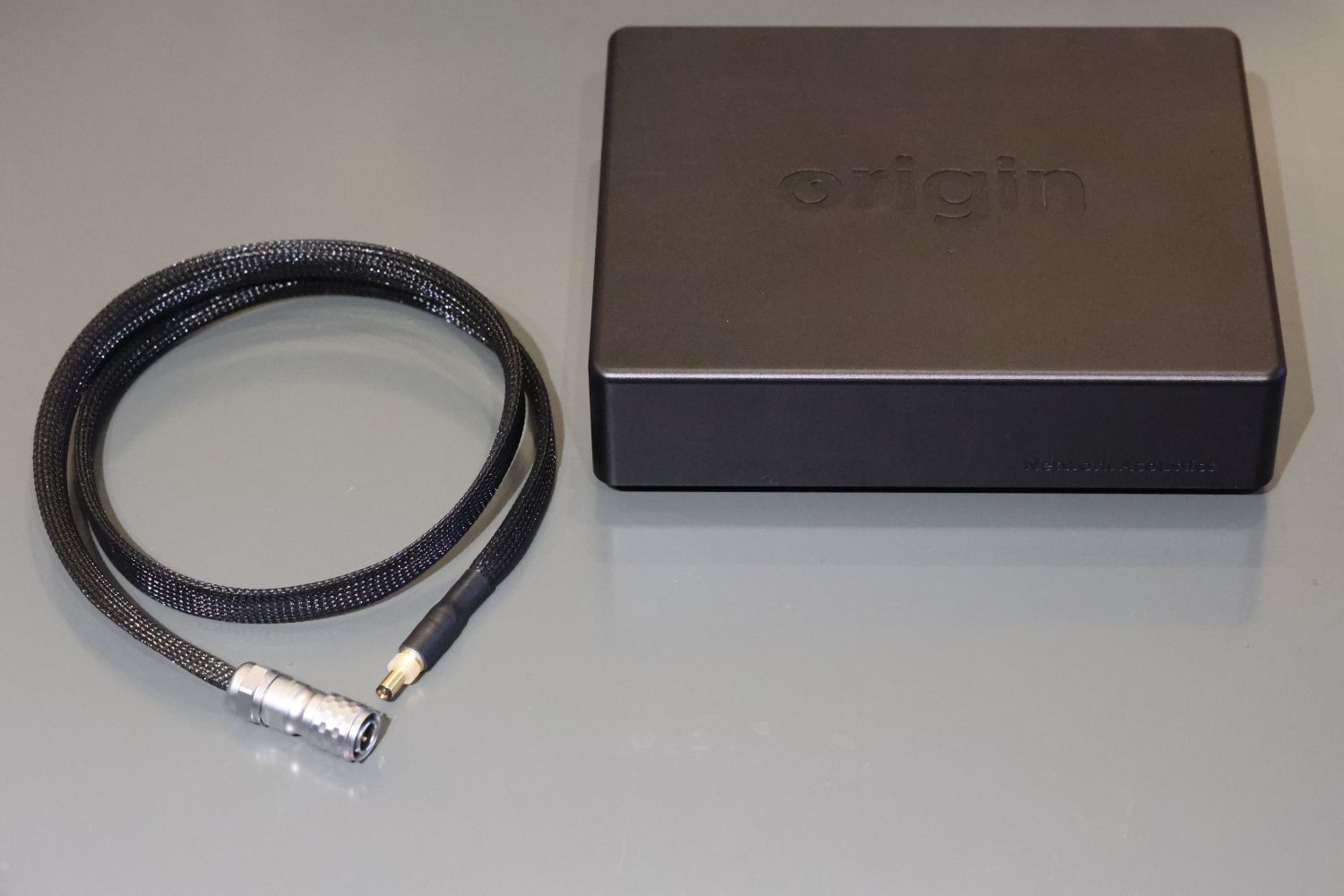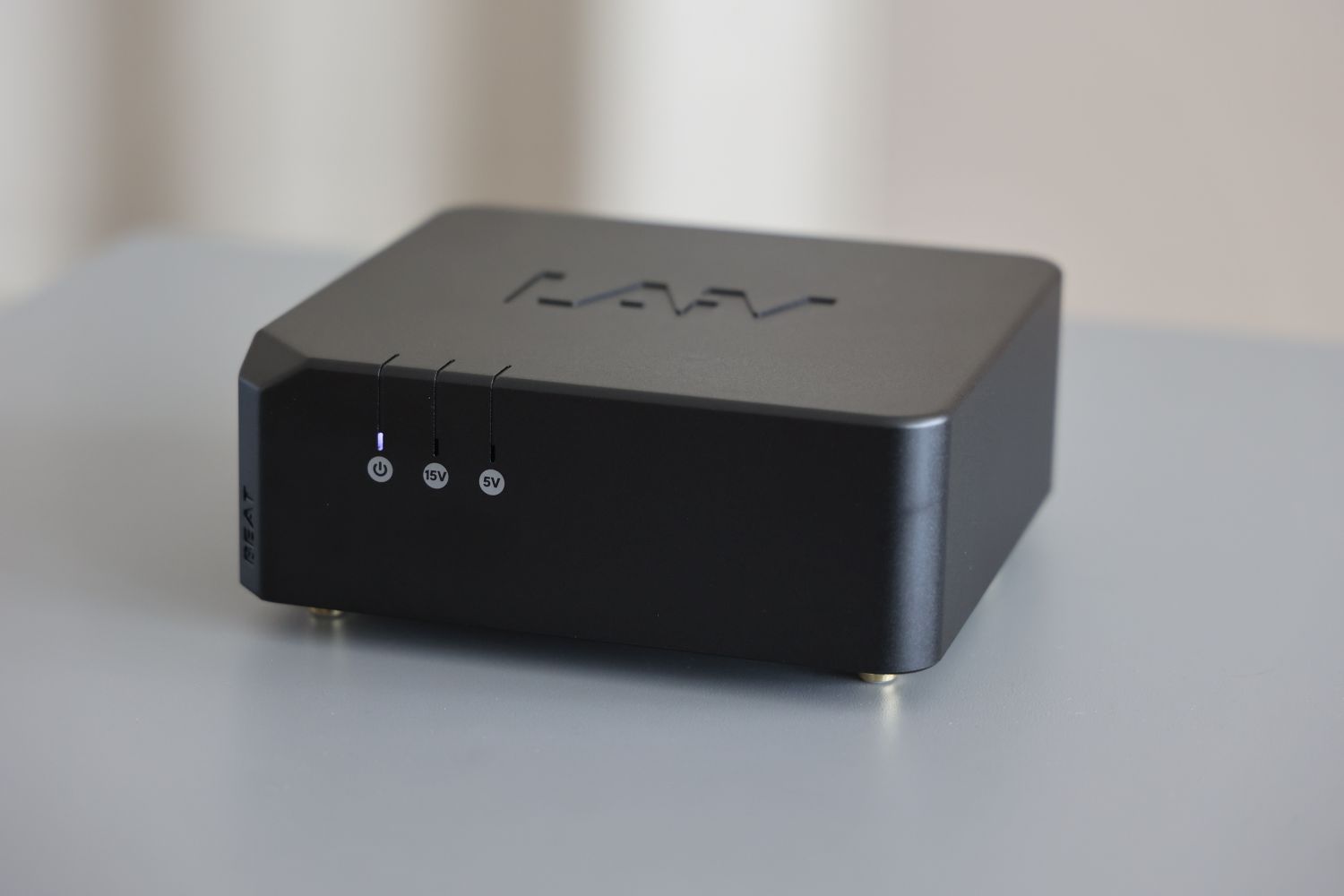
Coincidentally, within the same week I first connected the Genelec 1037Bs to the LAiV Crescendo VERSE, Weng Fai of LAiV reached out to ask if I wanted to review the new Crescendo BEAT dual-rail true linear power supply. It was the perfect timing!
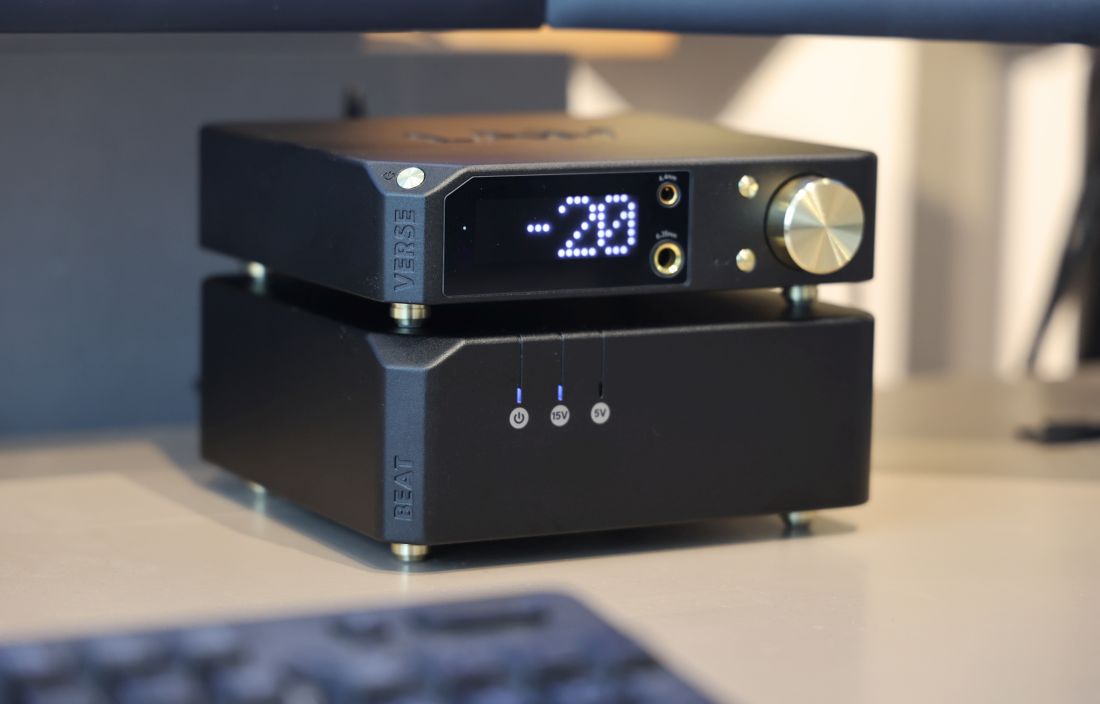
VERSE with BEAT
Oh, yes, it was immediately evident from the first notes that the BEAT power supply makes a very significant difference. Surprisingly, the difference does not present as it typically does between switched and linear supplies. Unlike many linear power supplies, the BEAT doesn’t thicken the bass or alter the music’s pacing, and the music fully retains the VERSE’s inherent balance. Rather, the music now sounds much more precise and transparent. This is evident not only in the overall resolution and transient behavior, but also in how sounds appear more suddenly and from a quieter background. At the same time, there is a newfound calmness, not through slowing the sound down, smoothing things over, or reducing dynamics, but through the reduction of haze and the removal of the veil that was there in comparison to the Harmony DAC and HP2A. The music is now considerably crisper and clearer, while retaining the VERSE DAC’s smoothness and subtly warm balance. The difference was just as pronounced with the Genelecs as it was with any of the headphones.
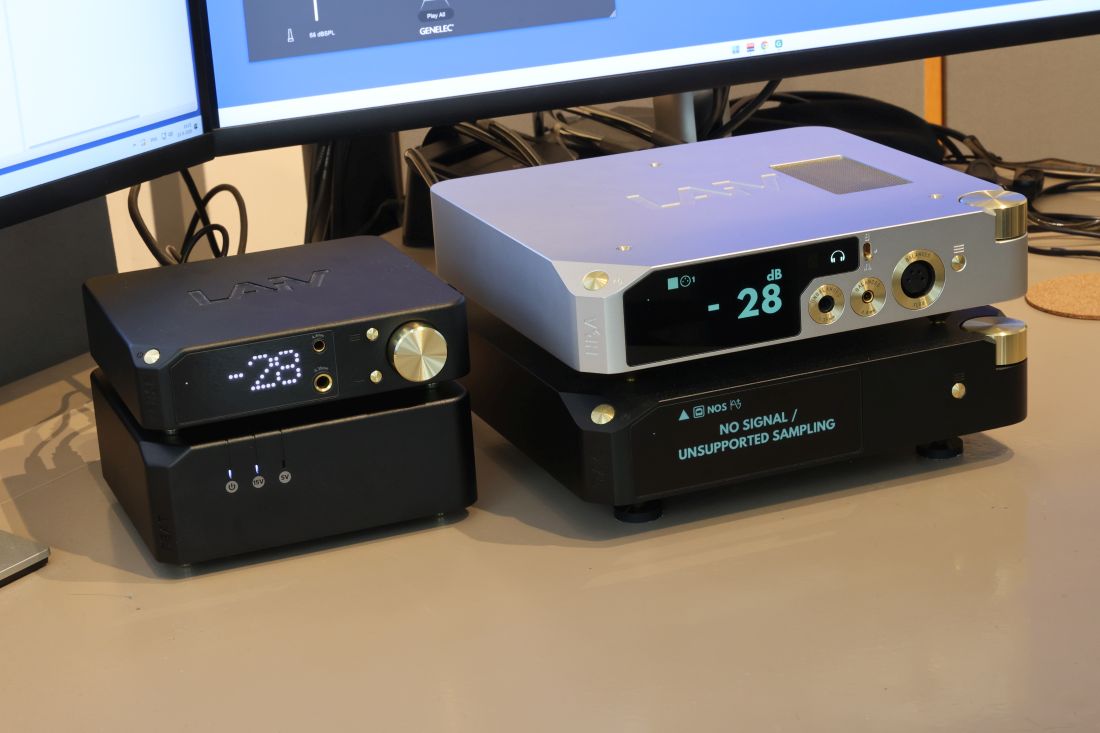
Versus Harmony DAC and HP2A
Although the Harmony DAC and HP2A look massive on the desk and cost significantly more than the BEAT + VERSE, they still deliver an even more audiophile sound, with better articulation, higher precision, and greater transparency. However, while the VERSE, with its standard wall-wart switched power supply, was previously clearly in a lower tier of performance, it’s now more a matter of personal preference. While the big combo offers even higher precision, the VERSE with the BEAT is just as fluid, refined, and lyrical, and unless you’re looking for the absolute limit in transparency, the VERSE also offers plenty of resolution.
As a matter of fact, although I always prefer the highest resolution and precision in the Main System and listening on the sofa, the Desktop System, with its nearfield speakers, can become unforgiving when used with extremely revealing equipment such as the Harmony DAC and HP2A, and with some music that was on the spicy side, or just not as well-recorded, the BEAT + VERSE produces a sweeter and arguably more musical performance. This difference, with one being more analytical and the other more musical, was present before, but with the standard wall-wart switched power supply, the more musical presentation was held back by a reduction in crispness, clarity, and communication. With the BEAT power supply, this is no longer the case.
It also differed depending on which headphone was used. The easy-to-drive Sennheiser HD480 sounded superb with the BEAT/VERSE and a little overbearing with the Harmony DAC and HP2A. Conversely, the much harder-to-drive Sennheiser HD650 clearly needed the extra power and precision of the Harmony DAC and HP2A to sound its best. Interestingly, the HiFiMAN Arya Stealth sounded very pleasant with both setups, although it made it very clear that the big combo is more transparent and more highly resolving.
Most tellingly, as soon as the VERSE is powered by the standard wall-wart switched power supply, it not only drops back to a performance with “just good enough” resolution, but also becomes less lyrical and engaging, and less realistic.
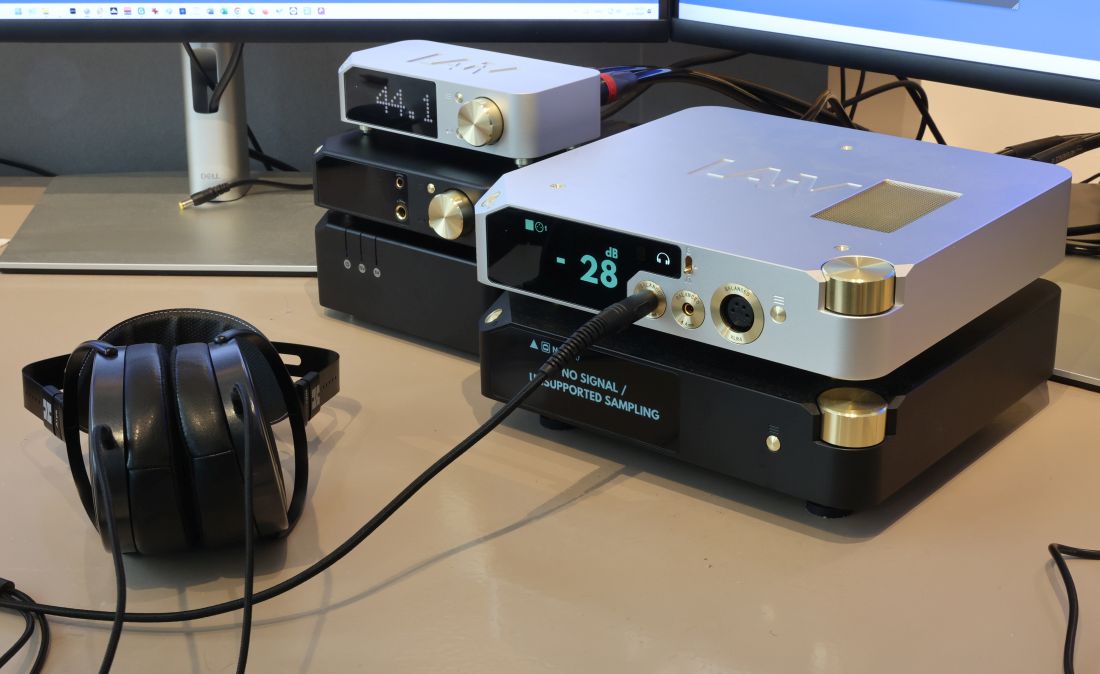
uDAC with BEAT versus Harmony DAC
As we already found with the Crescendo VERSE DAC, the BEAT makes a big difference, but it doesn’t make the VERSE sound every bit as good as the Harmony DAC. Since the Harmony uDAC is based on the Harmony DAC, the main thing holding it back is the standard wall-wart switched power supply. So, I wondered, would the BEAT transform it into the Harmony DAC?
To answer that question, let’s first step back to how the two DACs compare when using their respective standard wall-wart switched power supplies. Used this way, the uDAC and VERSE sound very different. The uDAC has a very robust, direct, and explicit sound, whereas the VERSE has a smooth, relaxed, and friendly sound. The downside of the uDAC is that it is quite dry and analytical and lacks fluidity, flow, and delicacy.
When powered by the BEAT, the uDAC is upgraded considerably. It becomes much more fluid, refined, and, importantly for this analytical DAC, also more lyrical. In other words, it becomes more musical, while retaining a very high level of precision and control. Its bass was already superb, but the BEAT makes it even more precise and articulate. While the uDAC is no longer dry or overly direct, the BEAT doesn’t elevate it all the way to the Harmony DAC, which still leads in ultimate low-level resolution, fluidity, and refinement.
Interestingly, in refinement and fluidity, the Crescendo VERSE with the BEAT actually sounds closer to the Harmony DAC than the uDAC with the BEAT.
So, even though the BEAT is a must-have upgrade for all components, the three DACs in the LAiV portfolio still remain interesting for different reasons.
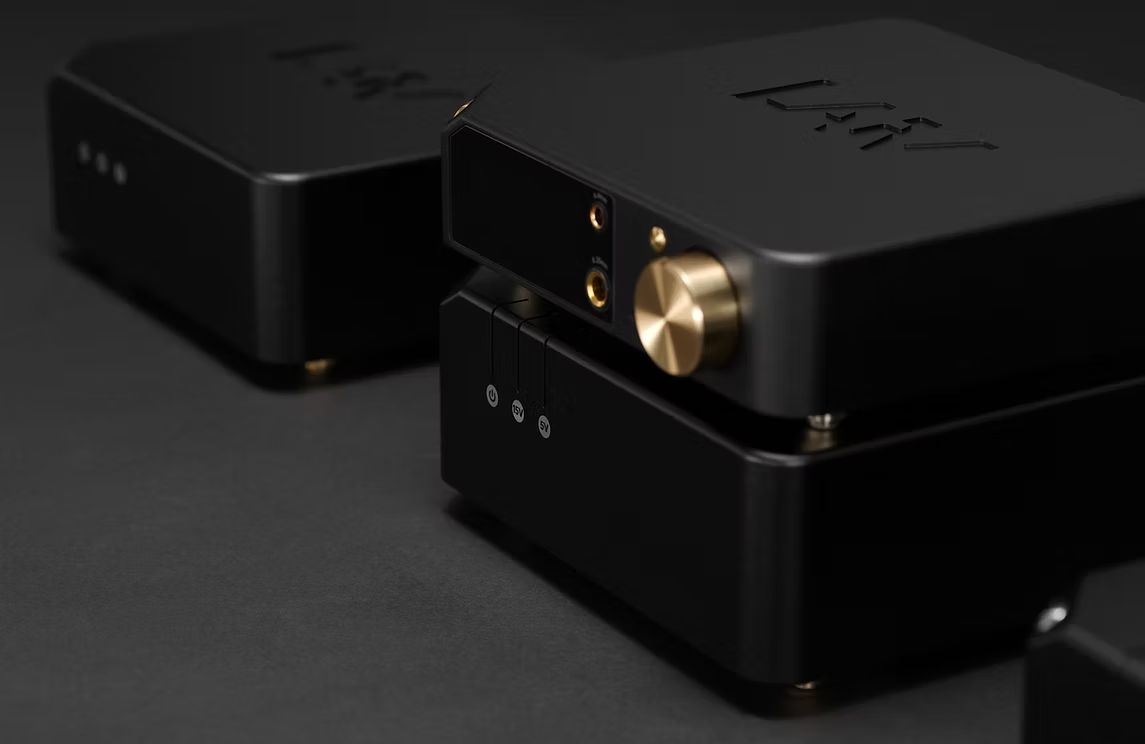
A beautifully small yet very capable system comprising the BEAT Power Supply with VERSE DAC/Preamp and two CHORUS Power Amplifiers
Conclusion
The LAiV Crescendo BEAT power supply works so well that I consider it a must-have with any compatible LAiV component. It improves the sound in many ways without sacrificing anything. That sounds logical, but in my experience, swapping one power supply for another usually comes with pros and cons, especially when you switch types. Not this time, though!
Although the BEAT doesn’t fully transform the Crescendo VERSE into a Harmony DAC, it brings it closer than it has a right to at the price, and it adds a headphone amp and analog volume control as a bonus.
There’s still a place for the Harmony DAC and HP2A, but when using the Crescendo VERSE with the BEAT, unless one makes a direct comparison, I doubt anyone, except the most detail-oriented, will feel like they are missing out on precision. Just be aware when getting the BEAT on trial: even if you don’t focus on precision and transparency, once you hear the haze disappear and feel the music engage you more deeply, you won’t want to go back!
I realize that it may become suspect when I recommend every LAiV component I review, but I can’t help it when this company keeps making such great equipment!

External Links
Manufacturer: LAiV Audio