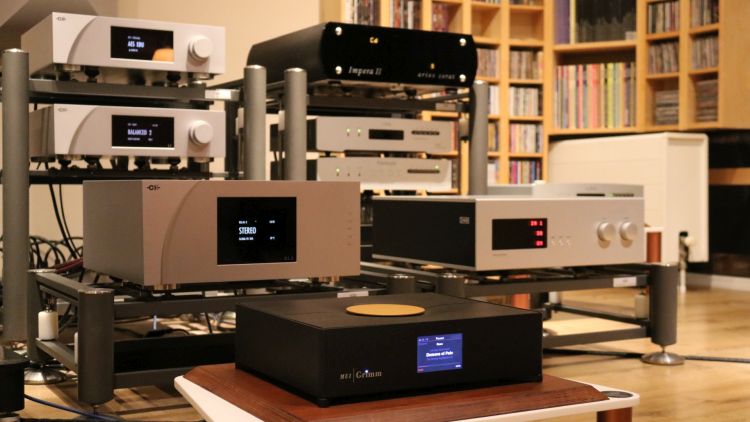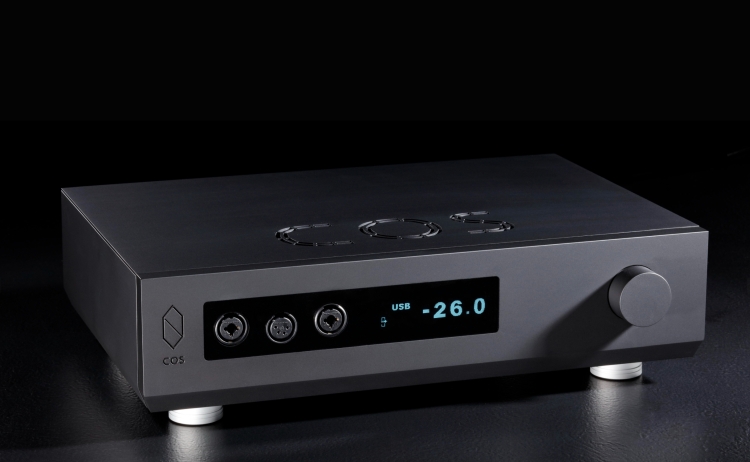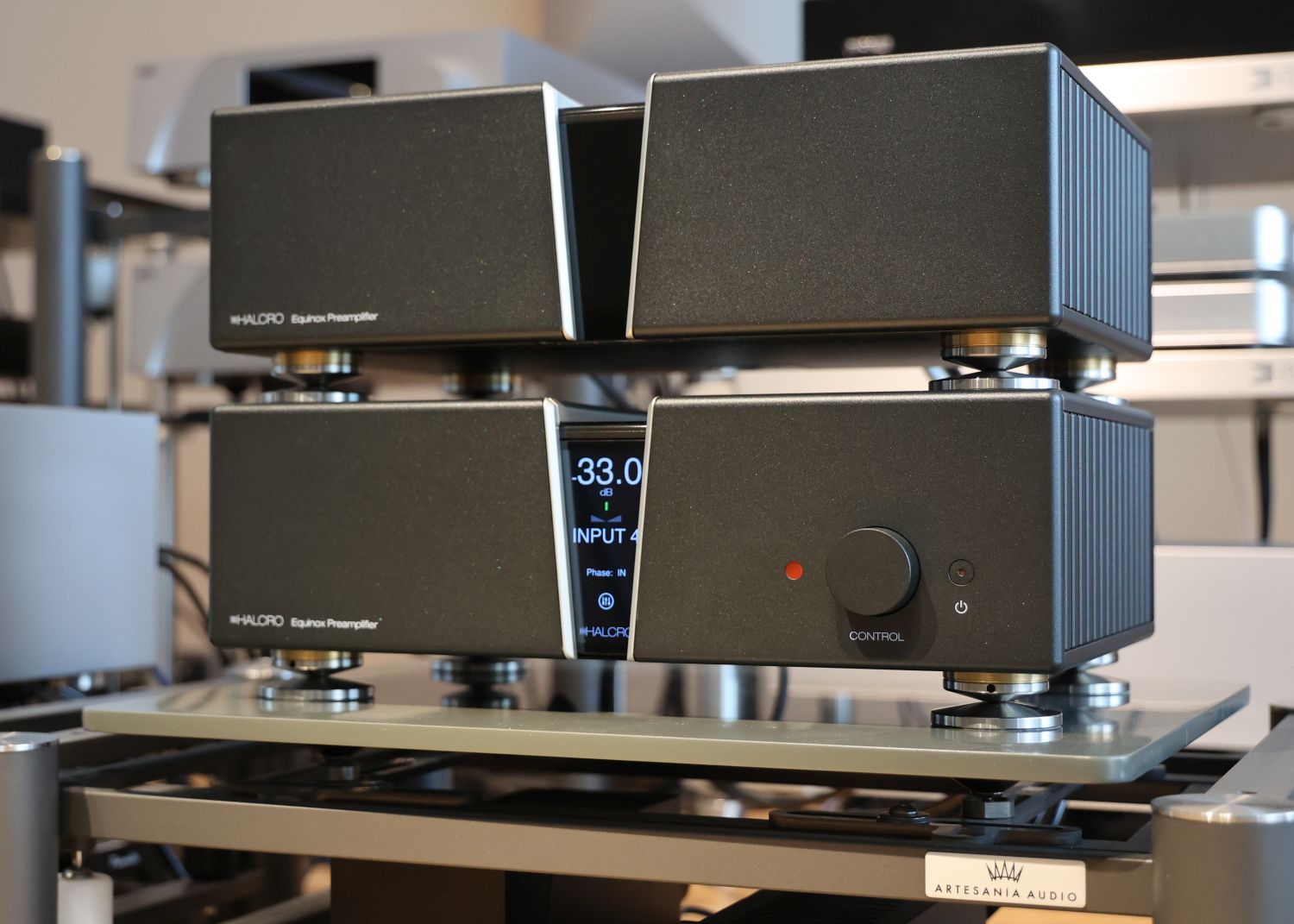
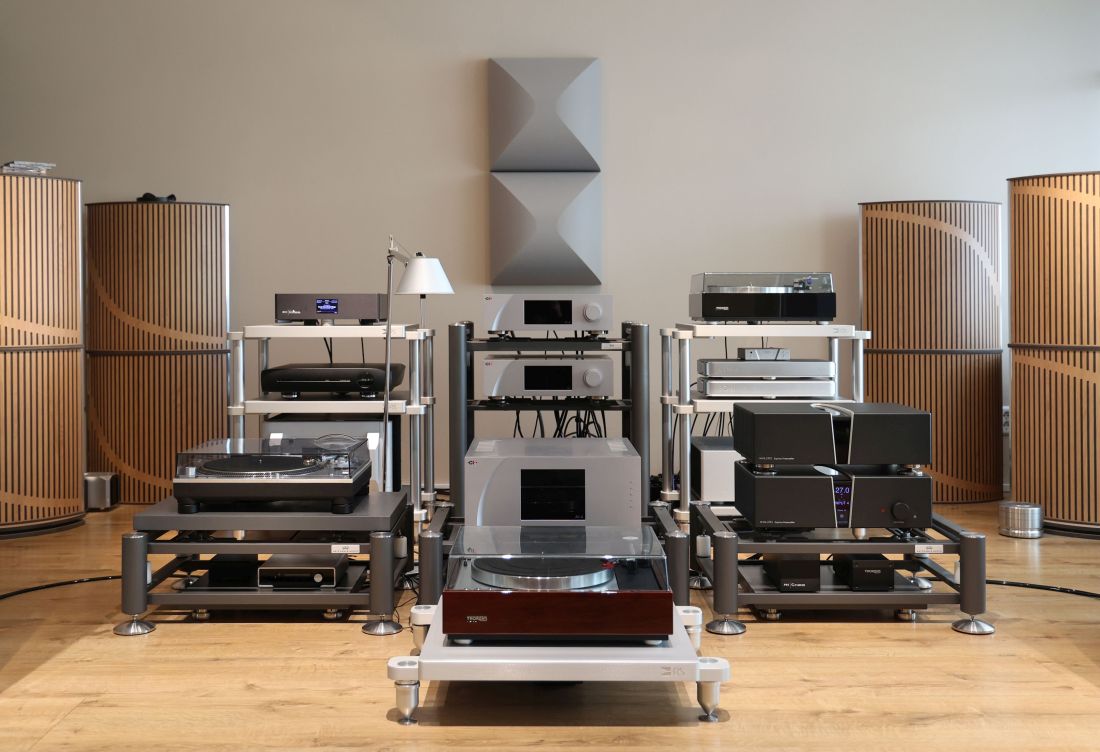
Like the CH Precision L1, the Equinox has extremely little character. However, even with two world-class components that are both extremely neutral, there can still be a significant difference in sonic presentation.
Both preamplifiers deliver an incredibly detailed sound with immense refinement and superb resolution. The Equinox, however, offers fuller, rounder bass and a richer, more organic midrange. By contrast, the L1 sounds a little brighter and airier. This is a strange and relative phenomenon, given that both preamplifiers measure extremely linearly. The L1, on its own, never sounds overly bright to me. Likewise, the Equinox, on its own, does not sound dark. While the L1 does not convey more detail, it presents it more explicitly and with a subjectively more open treble, which can make it sound a little more exciting, while the Equinox is slightly more relaxed. On the other hand, while I already regard CH Precision equipment as possessing vanishingly little in the way of a solid-state signature, the Equinox sounds even less like a transistor component.
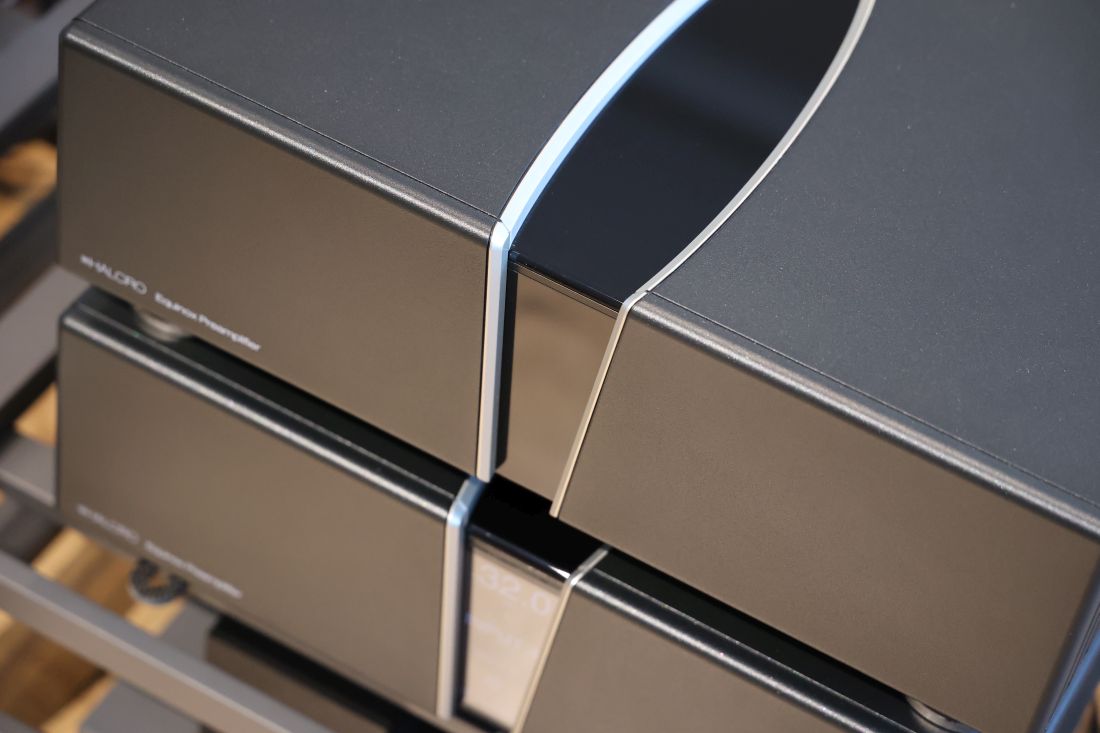
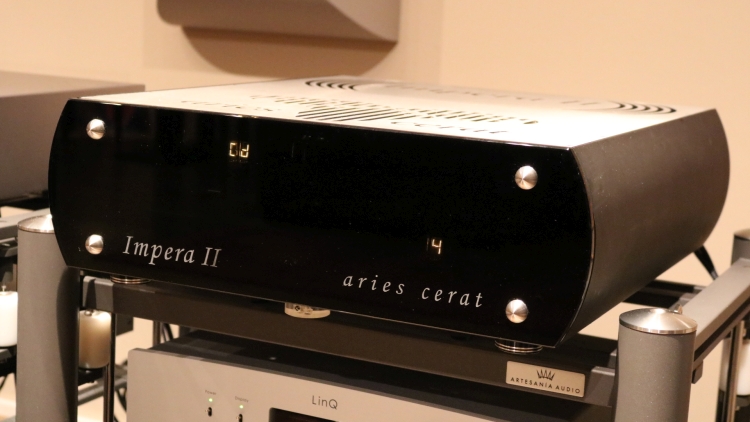
For many years, I was a huge fan of Jeff Rowland equipment. Now, listening to the Equinox reminds me of some of the unique aspects I valued highly in the brand’s best preamplifiers, the Coherence II, Criterion, and Corus. The Jeff Rowland magic is best described as a delicate balance of sweetness, resolution, flow, and refinement, and at the time, this balance was rare in the world of transistor amplification. I was not aware of any downsides until I heard better preamplifiers, such as the CH Precision L1, Spectral 30SV, and Aries Cerat Impera II, which made me realize what could be further achieved in dynamics and timbral realism, among other areas. Well, leave it to the Equinox to retain all these desirable qualities while further elevating precisely these points of attention.
Essentially, the Equinox provides a perfect middle ground between the neutrality of the CH L1, the refined sweetness of the best Jeff Rowland preamplifiers, and the liquidity and harmonic richness of tube products.
Honestly, I never believed that all these traits could be distilled into a coherent whole within a single product without introducing serious drawbacks elsewhere. But the Equinox achieves it.
Current Mode
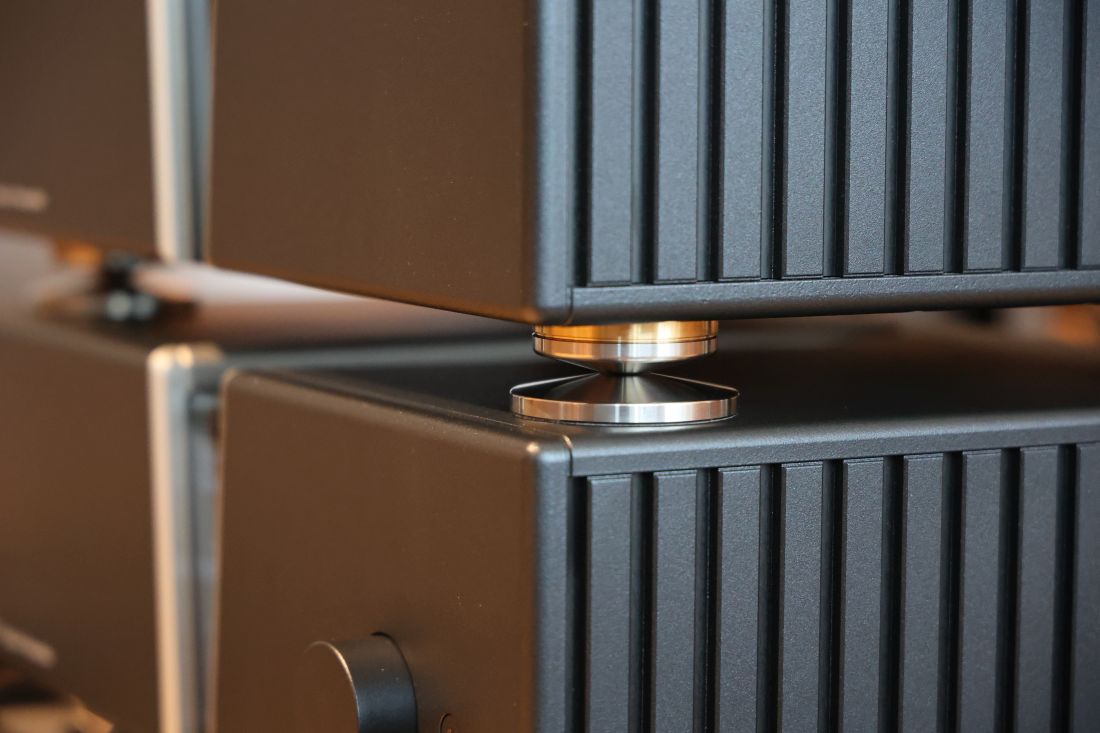
In addition to the regular XLR outputs that I used for this review, the Equinox also offers two current outputs, a very rare option in audio. As Halcro indicates, current-loop interconnects are highly immune to environmental RF noise and can deliver significant performance improvements in noisy environments. Alas, I did not have a Halcro power amplifier to test this with, but from experience with other equipment, I know that current mode can sound further elevate the naturalness and “un-electronic nature” versus traditional connections.
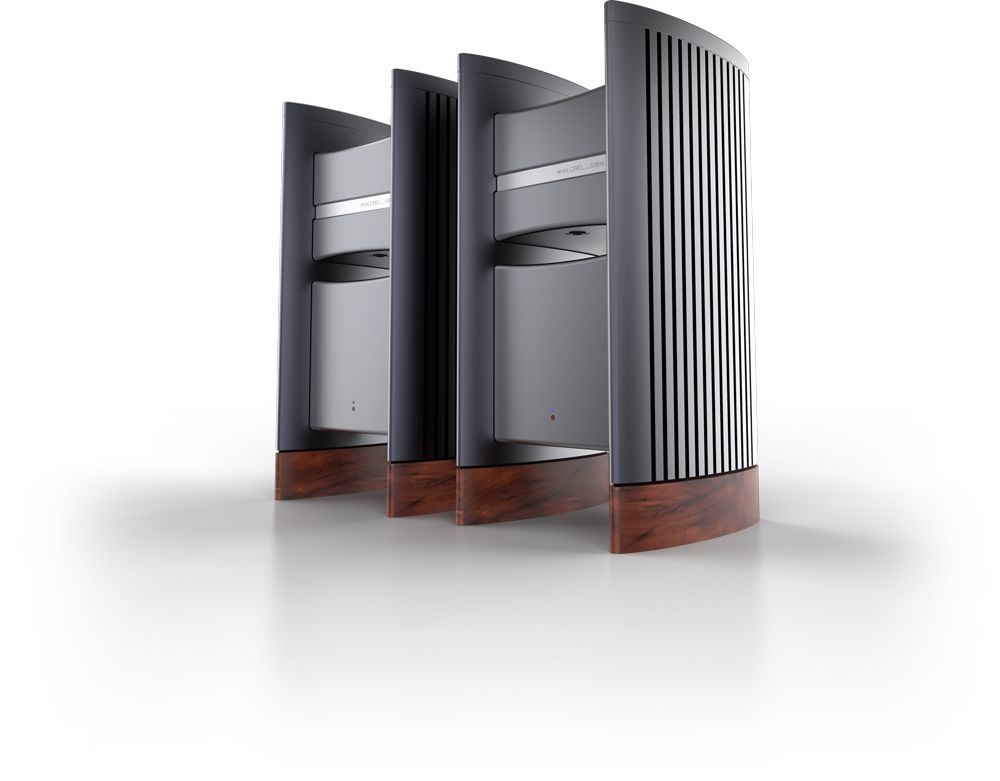
In addition to offering native compatibility with Current-Mode connections and Bridge-Mode, Halcro power amplifiers share the same balance of virtues as the Equinox, making a strong case for choosing the system approach.
Conclusion
The Equinox transcends the transistor-versus-tube debate and is one of the best preamplifiers I have heard. It joins the CH L1, Spectral 30SV, and Aries Cerat Impera II preamplifiers in my top five. At this exalted level, personal preference becomes a huge deciding factor, but the Equinox most definitely deserves a Magnificent Masterpiece award.

External Links
Manufacturer: Halcro
Terrason Audio
Distributor for Belgium, Netherlands, Luxemburg
Prestige Audio Diffusion
Distributor for France & Monaco & Switzerland
Contact: Marc Loubeau
Tel: +33(0)6 49 89 68 88
Email: contact@prestigeaudio-