• About
    • About HFA
    • HFA Awards
    • Associated Equipment
    • Banners on HFA
    • HFA Analytics Data
    • HFA Audio Setup History
    • HFA Audio Setup Snapshots
    • Sitemap
    • Contact
  • HFA Awards
  • Reviews
    • All Reviews
    • Amplifier
      • All Amplifier Reviews
      • Integrated Amplifier
      • Preamplifier
      • Power Amplifier
      • Phono Preamp
    • Loudspeaker
      • All Loudspeaker Reviews
      • Passive Speaker
      • Active Analog Speaker
      • Active Digital Speaker
    • Digital
      • All Digital Reviews
      • CD Player
      • SPDIF DAC
      • USB DAC
      • Music Server
      • Network Player
      • Digital Recorder
      • Digital Interface
      • Audio Software
    • Turntable and Accessories
      • All Turntable and Accessories Reviews
      • Turntable
      • Tonearm
      • Phono Cartridge
      • Turntable Accessories
    • Cable
      • All Cable Reviews
      • Analog Interlink
      • Phono Interlink
      • Speaker Cable
      • Power Cable
      • Digital Cable
    • Accessories
      • All Accessories Reviews
      • Racks / Stands / Feet
      • Tuning / Tweaks
      • Power Connector
    • Industry Update
  • Insights
    • All Insights
    • Analog Insights
    • Cable Insights
    • Connector Insights
    • Digital Insights
    • Extensionblocks / Filters Insights
    • Generic Insights
    • System Synergy Q&A
  • Specials
  • Show Reports
    • All Show Reports
    • Alkmaar Audio Show
    • Chattelin Audio Systems
    • Dutch Audio Event
    • Enosound
    • HifiDeluxe
    • HifiLive
    • Munich High End
    • XFi
  • Classics
    • All Classics
    • Analog Classics
    • Digital Classics
  • Links
  • About
    • About HFA
    • HFA Awards
    • Associated Equipment
    • Banners on HFA
    • HFA Analytics Data
    • HFA Audio Setup History
    • HFA Audio Setup Snapshots
    • Sitemap
    • Contact
  • HFA Awards
  • Reviews
    • All Reviews
    • Amplifier
      • All Amplifier Reviews
      • Integrated Amplifier
      • Preamplifier
      • Power Amplifier
      • Phono Preamp
    • Loudspeaker
      • All Loudspeaker Reviews
      • Passive Speaker
      • Active Analog Speaker
      • Active Digital Speaker
    • Digital
      • All Digital Reviews
      • CD Player
      • SPDIF DAC
      • USB DAC
      • Music Server
      • Network Player
      • Digital Recorder
      • Digital Interface
      • Audio Software
    • Turntable and Accessories
      • All Turntable and Accessories Reviews
      • Turntable
      • Tonearm
      • Phono Cartridge
      • Turntable Accessories
    • Cable
      • All Cable Reviews
      • Analog Interlink
      • Phono Interlink
      • Speaker Cable
      • Power Cable
      • Digital Cable
    • Accessories
      • All Accessories Reviews
      • Racks / Stands / Feet
      • Tuning / Tweaks
      • Power Connector
    • Industry Update
  • Insights
    • All Insights
    • Analog Insights
    • Cable Insights
    • Connector Insights
    • Digital Insights
    • Extensionblocks / Filters Insights
    • Generic Insights
    • System Synergy Q&A
  • Specials
  • Show Reports
    • All Show Reports
    • Alkmaar Audio Show
    • Chattelin Audio Systems
    • Dutch Audio Event
    • Enosound
    • HifiDeluxe
    • HifiLive
    • Munich High End
    • XFi
  • Classics
    • All Classics
    • Analog Classics
    • Digital Classics
  • Links
scroll down for more
Active Analog Speakers Reviews, Power Amplifier Reviews

Playback Designs SPA-8 Stereo Amplifier – Quick Impression

Christiaan Punter 14 November 2025 5 Comments
  • Facebook
  • Twitter
  • LinkedIn
  • Pinterest
  • Email

Listening

Although this was my first encounter with the Ensium, I was already familiar with Aequo Audio loudspeakers, having previously reviewed the Stilla and Stilla Active models. Although the Ensium has an active bass section, it is still transparent to the source. And contrary to popular belief, it is usually actually the midrange that consumes most power, not the bass.

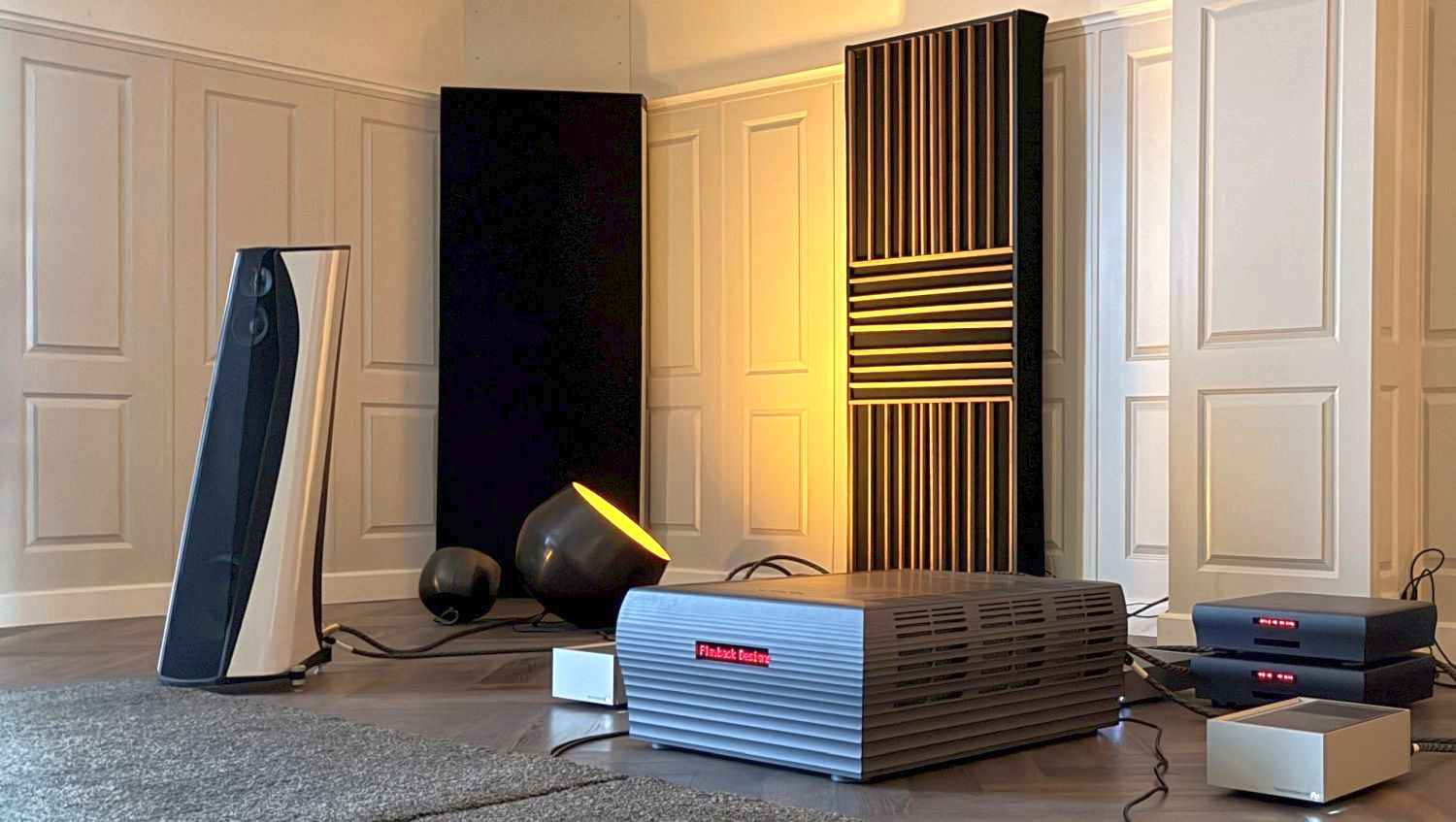
When I entered the room, the SPA-8 was already connected and had been playing for most of the day, so the amplifier was well warmed up, even though its chassis barely felt warm to the touch. It seems that the heat dissipates very evenly over the amplifier’s massive surface. The amplifier uses 300 Watts in idle, and, of course, the heat has to go somewhere. Indeed, Aequo Audio’s Ivo and Paul confirmed that the room felt warmer once the amplifier was powered up.
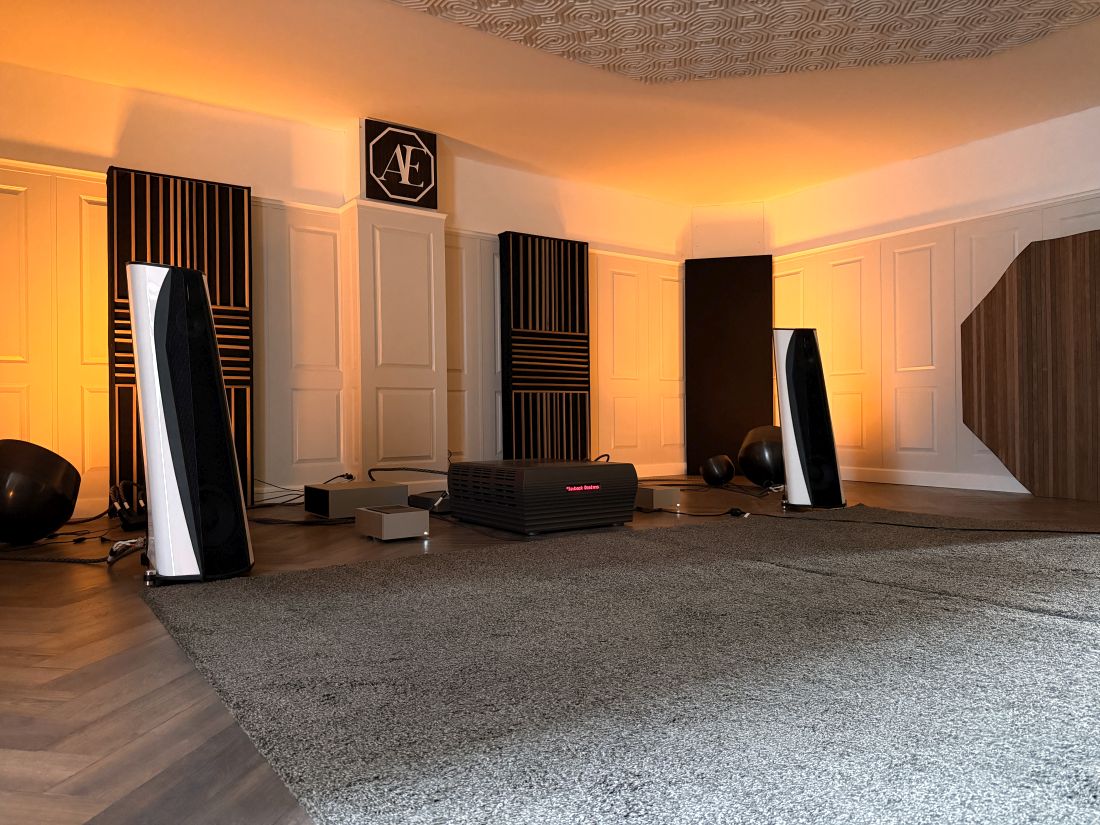
Playing a selection of familiar music, the first thing I noticed was the clear, pure, and communicative midrange. However, rather than standing out from the mix, it was well-integrated. Neither lean nor shouty or overbearing, the midrange was realistic and inviting, and supported by a weighty but fast and expressive bass. This was what surprised me most about the SPA-8, because all amplifiers I had heard with this much power were characterized by either ponderous thickness, blur, restrained pacing, or all of these characteristics at once. Not so the SPA-8. It offered upbeat and inviting pacing, along with outstanding dynamic behavior, and clearly had power to spare; yet it never sounded processed or technical in the slightest. Its timbre was also clearly very natural. There was no smear or coloration that I could detect, and although the sound was liquid and free-flowing, it was not overly lush. Nevertheless, it had a decidedly un-electronic, natural, and tonally richly saturated portrayal of everything I played.

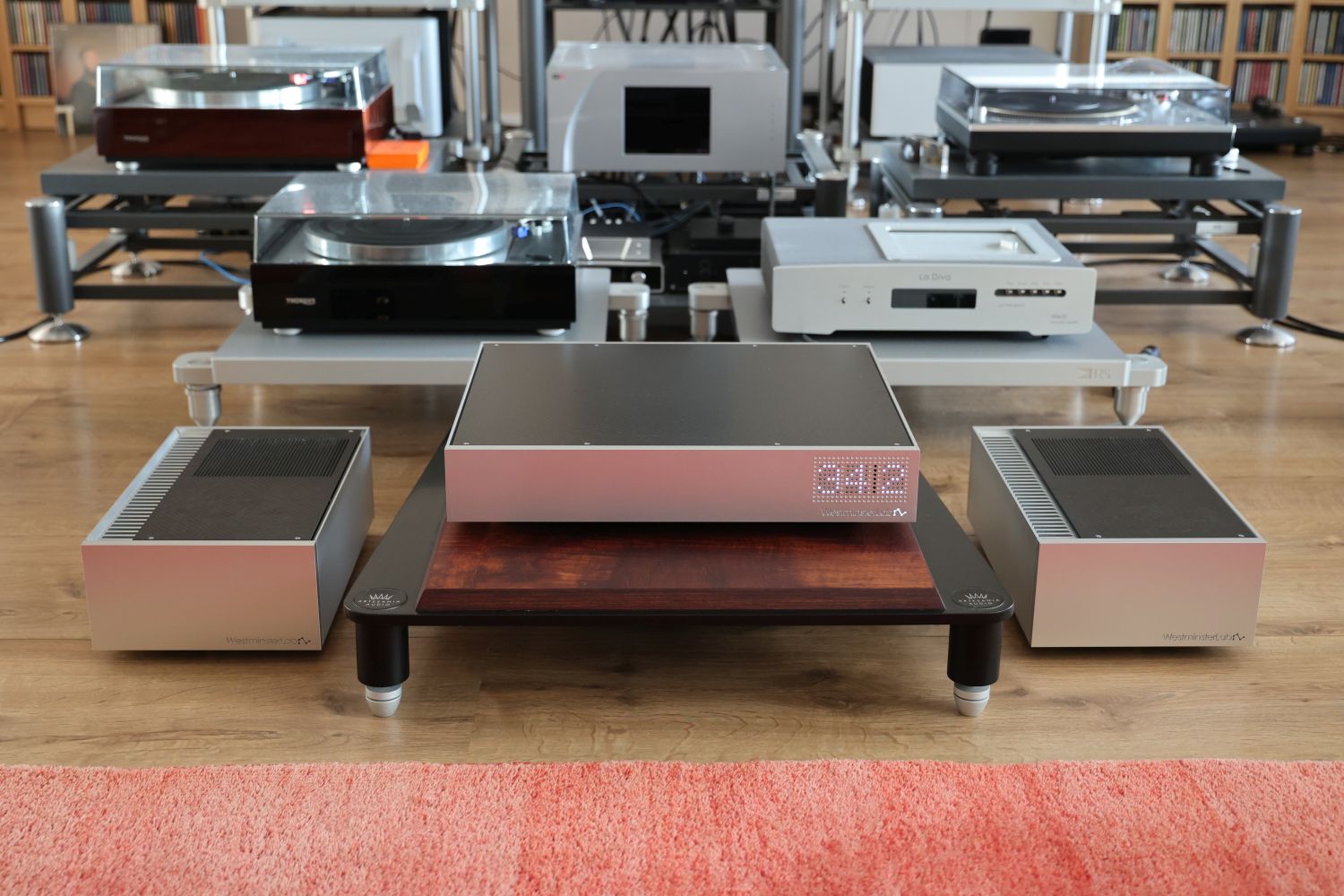
When swapping to the WestminsterLab Rei monos, we were all surprised by the massive difference. This was not a matter of gradations: it was night and day. It took me a minute or two to adjust, but then I confirmed that the Reis do indeed also sound excellent, even if they have a very different presentation from the Playback Designs SPA-8. As regular readers will know from my WestminsterLab review, I knew beforehand that the Reis are exceedingly neutral amplifiers, to the point of being entirely anonymous, and I have praised them for this quality. Heck, I found them even crisper and more direct than my CH Precision A1.5 amplifier. Nevertheless, I did not feel they lacked body or saturation in my reference system. It is worth noting that this is also precisely what the brand strives to deliver. On the other hand, I have found from my reviews of Playback Designs’ audio components, including the MPT-8 and MPD-8 currently in use, that they sound very natural and possess an analog-like sense of continuity and liquidity. This goes some way to explaining the perceived differences. The Playback Designs components indeed sound a little richer harmonically than my CH equipment, and by extension, the WestminsterLab Rei mono power amplifiers.

Naturally, this is only a superficial comparison of two very different products that have a significant price disparity, with the goal to help me understand the sound of the SPA-8 in this unfamiliar context. To truly appreciate the full performance of this amplifier, it should be compared to the largest, heaviest, and most powerful units out there, such as Gryphon, Vitus, Soulution, CH Precision, MSB, D’Agostino, and Halcro.
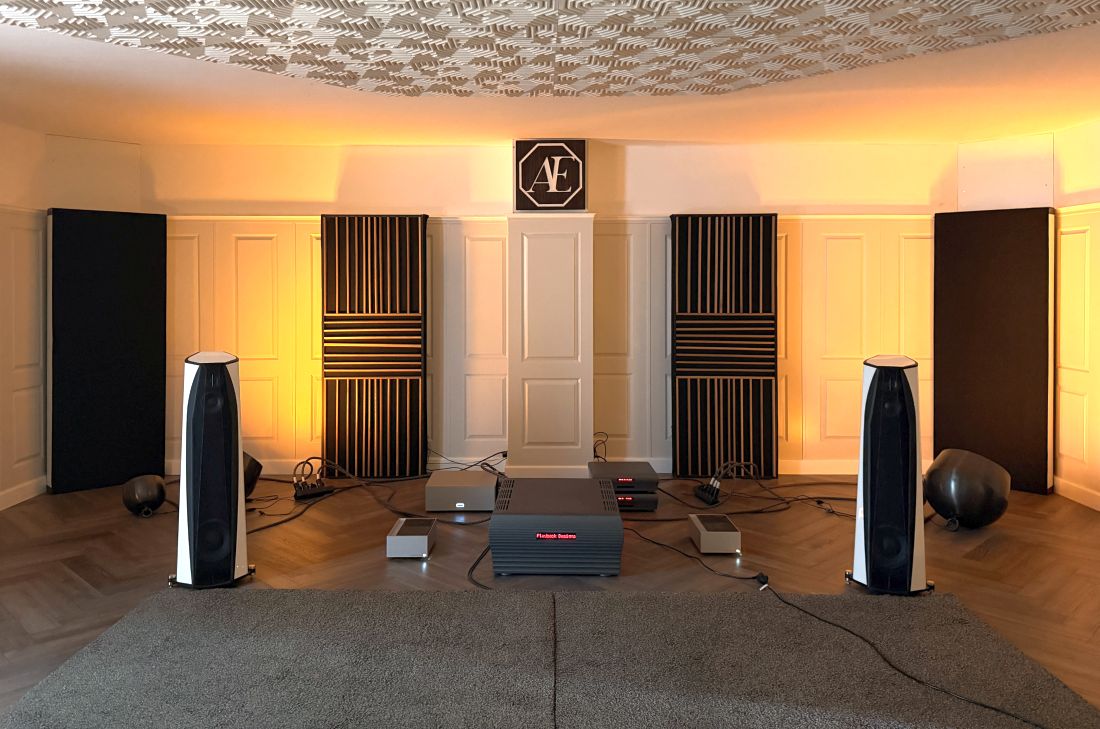
Additionally, going from my earlier experience with the Aequo Audio Stilla loudspeakers, I think it’s safe to say that the Aequo Audio Ensium’s presentation differs significantly from the Magico S1 MkII’s that I used when reviewing the Stillas, which offsets my mental reference, if that could even be considered reliable after this time. However, when listening with the Playback Designs SPA-8 on the Ensiums, with all the tracks I played, I never felt that the sound was fuller, warmer, or richer than what I consider natural. With this in mind, it seems that the SPA-8 is true to Playback Designs’ “house sound”: liquid, harmonically rich, and effortless, while remaining subjectively very neutral.

As a side note, whether desirable or not, I find that big power amplifiers can actually enhance the spaciousness compared to smaller or lower-power equivalents. However, this is not necessarily an accurate reproduction of what’s recorded. Further, the increase in size often comes at the cost of reduced clarity or even a sense of blur. The Reis, on the other hand, as pure and direct as they are, do not sound small per se, but they clearly do not create as large a soundstage as the SPA-8. So, do the Reis sound smaller than reality, or does the SPA-8 add some character after all? Well, if the Reis are the measure for utter neutrality, maybe it does, but I honestly can’t say that I heard it that way until we made the direct comparison.

For a more detailed analysis, I’d need to hear the amplifier in a more familiar environment, or with speakers that I am more familiar with. This is where the in-depth Aequo Audio Ensium review comes in. Following that review, I will return to the Aequo Audio showroom once more to refine my experience with the big, bold, yet beautiful SPA-8. On that occasion, I will also listen to the SPA-8 amplifier being fed directly from the MPD-8 Dream DAC’s analog outputs, as recommended by Playback Designs.
Preliminary Conclusion

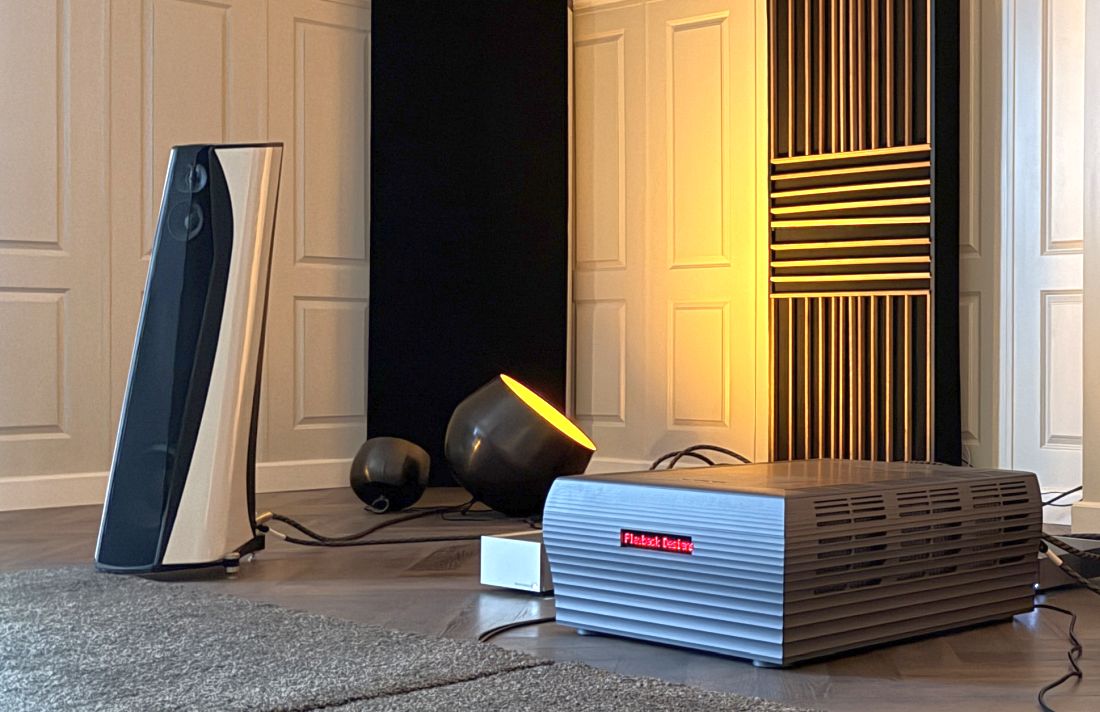
Pending a deeper investigation, based on my preliminary experience, I believe the SPA-8 represents an ideal marriage between muscle and musicality. In my opinion, there are only a handful of truly great amplifiers in the world, and I have a feeling the SPA-8 is one of them. Naturally, that remains to be confirmed.

Naturally, its price makes it unattainable for most, but if the budget allows, the SPA-8 is definitely worth considering. Delivery and installation are best left to a professional moving company. If that can be arranged, I highly recommend taking it for a test run. If my descriptions resonate with you, there’s a good chance the moving company need not to return!

External Links

Aequoaudio.com
Playback Designs

PRESTIGE AUDIO DIFFUSION
Distributor for France & Monaco / Benelux / Switzerland / UK

Contact : Marc Loubeau
Tel : +33(0)6 49 89 68 88
Email : contact@prestigeaudio-diffusion.fr
Website: www.prestigeaudio-diffusion.fr
Related Posts
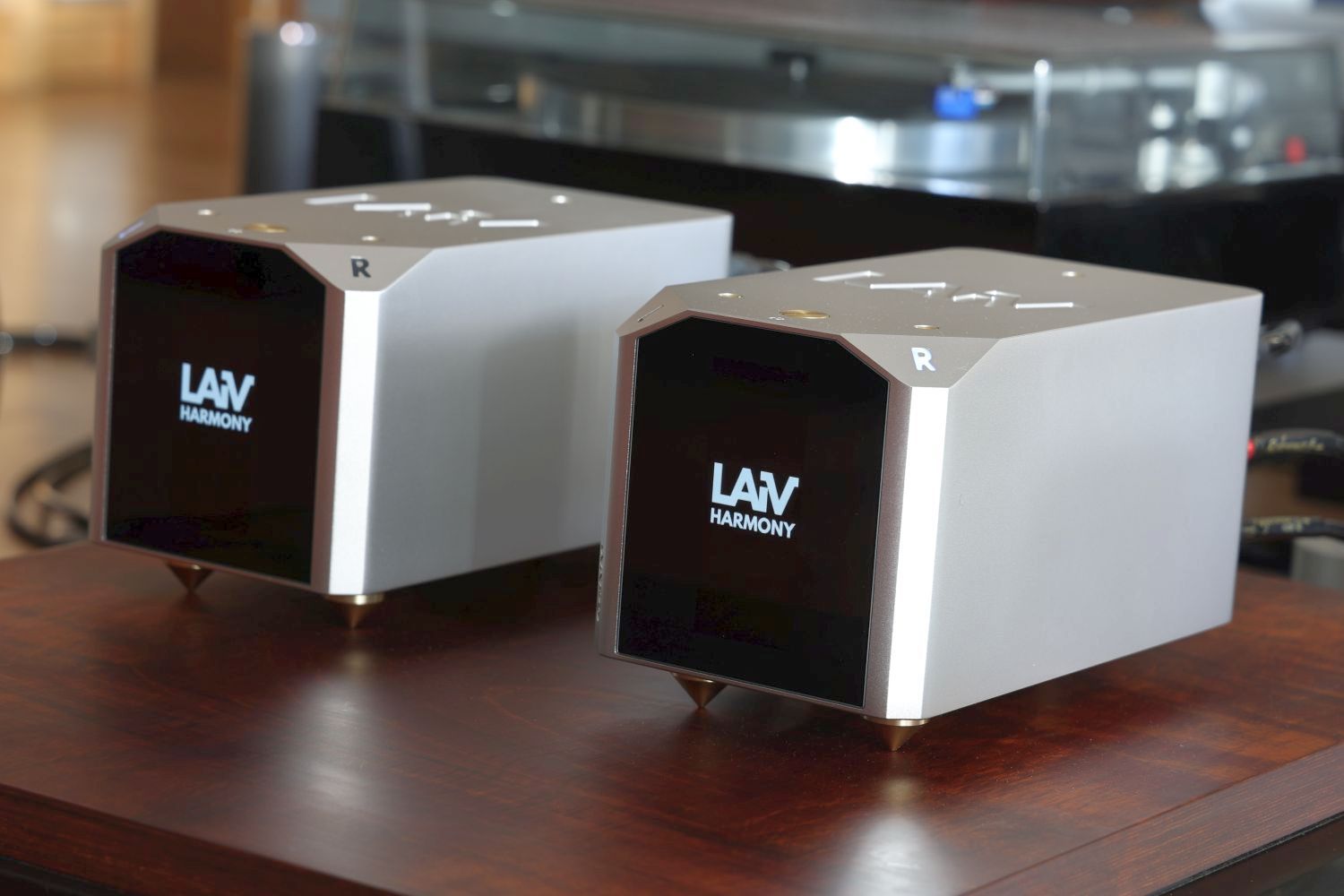
LAiV Harmony GaNM
WestminsterLab Quest preamp and Rei mono power amps
NuPrime AGM STA-SE stereo power amplifier
Collaboration between Admire Audio and ATM-Audio
Halcro Eclipse Stereo Power Amplifier
MJ Acoustics REF 200-SR and Master-Class Ascot-SR
NuPrime Evolution STA stereo power amplifier
Aequo Audio Stilla Active
Page 2 of 2
Aequo Audio Playback Designs
  • Share This:
  • Facebook
  • Twitter
  • LinkedIn
  • Pinterest
  • Email
Christiaan Punter Owner of Hifi-Advice.com

5 Comments

  1. Vincent says:
    15 November 2025 at 08:33

    Interesting read, thanks. I am wondering: is there a specific reason why Pilium amp have never been on your radar?

    Reply
    1. Christiaan Punter says:
      15 November 2025 at 11:20

      There is no specific reason at all. It’s just a matter of who happens to approach me at any given time, and what I come across personally. I think Pilium is an interesting brand, and it would be nice to review a Pilium pre- and power amp but there are no plans for this at the moment.

      Reply
  2. Matt says:
    26 November 2025 at 07:10

    Hi Christiaan,
    if I suppose that the mentioned output of 3200W at 2 Ohm is per channel then a toroid transformer of 1800W is a little bit weak…what do you think?
    Best regards
    Matt

    Reply
    1. Christiaan Punter says:
      26 November 2025 at 11:04

      Hi Matt, That is a question best directed at the manufacturer.

      Reply
  3. Robert says:
    11 March 2026 at 03:33

    I had the same thought as Matt, 1800watts still equals 1800watts or has that law of physics now been changed, maybe new math or maybe Einstein wasn’t correct when he considered laws for the physical world?

    Electronics manufacturers (mainly makers of amps, typically the cheapest ones seem to have been able to do the impossible on a daily basis and never have told us exactly how they achieve those impossible ratings) have been breaking the laws of physics on a regular basis but they’re creative in their explanations, just read up at Lab Gruppen’s site and see if you can figure out how they get 2400w of output with 720w of input (120vac with 6A draw). Their explanations will amuse anyone with a highschool diploma, and it appears that their popularity has followed their unexplainable power quadrupling effect they have invented and not shared with the world yet!

    Most likely they figured out how to implement Tesla’s free energy grid and can tap into it with their amps, that’s why they charge so much for low power amps, you’re getting most of the input power for free, but they fail to , mention it in their specs. Maybe it’s a copywrite \ patent or licencing issue that’s stopping them from advertising how they accomplish this impossible task that every other company has been dealing with for so long. It’s weird that companies like Pyle have this technology but their products are all so terrible, you’d think it would be easy to make things that are exponentially better than others who don’t have that technology? Here again, maybe I’m expecting too much from a $100k amp, but how could I?

    I do enjoy this site, you have a rare assortment of things I’ll never own but I try to remember the names of things I see here just in case I find myself in a position to choose between rare items in an auction that nobody is bidding on due to lack of immediate info at that second and knowing the name might land me something vastly far more expensive than I paid, I know it’s only a dream, but I have to have a reason for spending my time reading up on these marvelous machines being created for the few who can afford to waste their money on things as outrageous as this!

    I commend the creator of this monster and look forward to seeing the 2nd one built to even higher standards, maybe even make it small enough that it will not need to have a door removed to get inside the listening area or making a special room just for the amp. I haven’t read through yet but I’m betting it can act as an entire mansion heating unit as well, connected to home AC duct for winter heat and running the AC to cool it in summer? Just wait till they figure out how to utilize antimatter and power from collapsed stars that have imploded, then we’ll see just how many men it will take to move the micro version of this around, hooks for the crane will look stupid when it’s connected to an amp that’s the size of a deck of cards and the crane is stressing to pick it up 1mm off the ground and no higher in case it should break loose and end up falling directly into the earths molten core, how do you explain that to your neighbors and insurance company after you destroy the earth while moving you’re new amp inside your home?

    Reply

Your comment Cancel reply

First-time comments need manual approval which causes the post to appear a little later. Avoid using links to prevent marking as spam.


Categories

  • Accessories Reviews
  • Active Analog Speakers Reviews
  • Active Digital Speakers Reviews
  • Alkmaar Audio Show
  • Amplifier Reviews
  • Analog Classics
  • Analog Insights
  • Analog Interlink Reviews
  • Analogy Records
  • Apogee Acoustics Company Special
  • Audio Software Reviews
  • Audiophile Insights
  • Cables Insights
  • CD Player Reviews
  • Chattelin Audio Systems
  • Connectors Insights
  • Digital Cable Reviews
  • Digital Classics
  • Digital Insights
  • Digital Interface Reviews
  • Digital Recorder Reviews
  • Digital Reviews
  • Dutch Audio Event
  • Enosound
  • Extensionblocks / Filters Insights
  • Generic Insights
  • HFA Audio Setup History
  • HFA Audio Setup Snapshots
  • HifiDeluxe
  • HifiLive
  • Industry Update
  • Integrated Amplifier Reviews
  • Marantz & Philips Classics
  • Munich High End
  • Music Server Reviews
  • Network Player Reviews
  • Passive Speakers Reviews
  • Phono Cartridge Reviews
  • Phono Interlink Reviews
  • Phono Preamp Reviews
  • Power Amplifier Reviews
  • Power Cable Reviews
  • Power Conditioning
  • Power Connector Reviews
  • Preamplifier Reviews
  • Racks / Stands / Feet Reviews
  • Rhapsody
  • Show Reports
  • SPDIF DAC Reviews
  • Speaker Cable Reviews
  • Specials
  • System Synergy Q&A
  • Tonearm Reviews
  • Tuning / Tweaks Reviews
  • Turntable Accessories Reviews
  • Turntable and Accessories Reviews
  • Turntable Reviews
  • Uncategorized
  • USB DAC Reviews
  • XFi

BRANDS

  • A&B Systems
  • A10 Audio
  • Aavik
  • Acapella
  • Accuphase
  • AcousticMatters
  • Acustica Applicata
  • Admire Audio
  • Aequo Audio
  • AG Lifter
  • Aidas
  • Akiko Audio
  • Analog Domain
  • Analogy Records
  • Analysis Audio
  • Analysis Plus
  • Ansuz
  • Anthem
  • Anti-Cables
  • Antipodes
  • APL
  • Apogee
  • Apogee Acoustics
  • Aqua
  • Arcam
  • Aries Cerat
  • Artesania
  • ASI
  • Astin Trew
  • atm audio
  • A Tube High Fidelity
  • Audeze
  • AudioAanZee
  • Audio Aero
  • Audio Club Premier
  • Audio GD
  • Audiolab
  • Audiolympic
  • Audiomeca
  • Audio Note
  • Audionote
  • Audio Note (UK)
  • Audio Origami
  • Audio Physic
  • AudioQuest
  • Audio Research
  • Audio Synthesis
  • Audio Technica
  • Auralic
  • Aurender
  • Aurum Cantus
  • Avalon
  • AvantGarde
  • AVID
  • AVIDHIFI
  • Ayon
  • Ayre Acoustics
  • B&W
  • Bals
  • Bang & Olufsen
  • Behringer
  • Belden
  • Benz
  • Bergmann
  • Black Rhodium
  • Boenicke Audio
  • Bowers & Wilkins
  • Bricasti
  • Bryston
  • Burmester
  • Børresen
  • CAD
  • Cardas
  • Care Orchestra
  • CAT
  • CEC
  • Chord Electronics
  • CH Precision
  • Clarisys Audio
  • Classé
  • Clearaudio
  • Concert Fidelity
  • Conrad Johnson
  • Consonance
  • COS
  • Curious Cables
  • D'Agostino
  • DAD
  • Dali
  • Daniël Hertz
  • Daudio
  • dCS
  • Degritter
  • Denafrips
  • Denon
  • Devialet
  • Devore
  • Diptyque
  • Doepke
  • Driade
  • DS Audio
  • Dynavector
  • Dynavox
  • E&T
  • EC-Designs
  • Echole
  • Elac
  • Electrocompaniet
  • Elijah Audio
  • EMAG
  • EMMLabs
  • Emotiva
  • EMU
  • Enosound
  • Ensemble
  • Esoteric
  • Estelon
  • Euphony
  • Exogal
  • Fadel Art
  • Fezz Audio
  • FIM Gold
  • Final
  • Final Touch Audio
  • Finite Elemente
  • FoilFlex
  • Franco Serblin
  • Furutech
  • Fusion Audio
  • Gauder Akustik
  • Genelec
  • Gigawatt
  • GiK
  • Goldmund
  • Graham Audio
  • Grandinote
  • Grimm Audio
  • Gryphon
  • Gustavson Audio
  • Halcro
  • Hanze Hifi
  • Harman/Kardon
  • Harmonic Resolution Systems
  • Harmonic Technology
  • Harmonix
  • Heaven's Gate
  • Hifi-Tuning
  • HiFi.nl
  • HifiMan
  • High Fidelity Cables
  • Hofa
  • Holo Audio
  • Home Audio Fidelity
  • HRS
  • IeGO
  • Ikigai
  • IMF
  • Isotek
  • Jadis
  • Jay's Audio
  • JCAT
  • Jeff Rowland
  • Jena Labs
  • JMF Audio
  • Jorma Audio
  • Jorma Design
  • Joseph Audio
  • JPLAY
  • JVC
  • Kemp
  • Kharma
  • Kimber
  • KingRex
  • Kinki Studio
  • KlinktBeter
  • Kora
  • Krell
  • Kroma Audio
  • Kupp
  • LAiV Audio
  • Lampizator
  • Lapp
  • LAST
  • Lector
  • Leema
  • Lejonklou
  • LessLoss
  • Line Magnetic
  • Linn
  • Logitech
  • LOK
  • Loudness War
  • Lumin
  • Luxman
  • M2Tech
  • Mad Scientist
  • Magico
  • Magnan
  • Magnepan
  • Mamba Audio
  • Manley Labs
  • Manunta
  • Marantz
  • Mark Levinson
  • Marten
  • Martin Logan
  • Master
  • Matrix
  • MBL
  • McIntosh
  • Melco
  • Melody
  • Meridian
  • Metrum Acoustics
  • Michell
  • MIT
  • MJ Acoustics
  • Modus Audio
  • Mogami
  • Mola-Mola
  • Monitor Audio
  • Monrio
  • Moon
  • Morel Hifi
  • Musetec
  • Musical Fidelity
  • Mytek
  • Nagaoka
  • Naim
  • Naiu Laboratory
  • Nakamichi
  • NBS
  • Network Acoustics
  • Niels Setup
  • Nordost
  • NuPrime
  • Ohm Audio
  • Olive
  • Onkyo
  • Onzow
  • Origin Live
  • Ortofon
  • Oyaide
  • Panasonic
  • Paradigm
  • Parasound
  • Pass Labs
  • Philips
  • Pink Faun
  • Pioneer
  • Playback Designs
  • Precision Audio
  • PrimaLuna
  • Proceed
  • PS Audio
  • PUUR AVD
  • PUUR hifidelity
  • Pylon Audio
  • Qln
  • Qobuz
  • Quad
  • R.T.F.S.
  • RAAL Requisite
  • Raidho
  • Reference Sounds
  • Reference Tweaks
  • Rega
  • Rein Audio
  • REL
  • Resonator Stockholm
  • Revel
  • Ricable
  • Roon
  • RTFS
  • SAEQ
  • SAT
  • Schiit
  • Seawave Acoustic
  • Sennheiser
  • Shakti
  • Shuguang
  • Shunyata
  • Shure
  • Signal Projects
  • Silent Angel
  • Siltech
  • SME
  • SolidSteel
  • Solid Tech
  • Sonic Frontiers
  • Sonos
  • Sonus Faber
  • Sony
  • Sooloos
  • SOtM
  • Soulution
  • Sound Anchor
  • Sound Lab
  • Spectral
  • Spotify
  • Stack Audio
  • Stealth
  • Stillpoints
  • Straight Wire
  • SW1X Audio Design
  • Symo
  • Synergistic Research
  • Synology
  • Synthese
  • T+A
  • Taiko Audio
  • Tascam
  • Teac
  • TechDAS
  • Technics
  • The Chord Company
  • Thorens
  • Transparent Audio
  • Trends
  • Tung Sol
  • Unison Research
  • UpTone Audio
  • VAIC
  • van Damme
  • van den Hul
  • van Medevoort
  • Vermeer Audio
  • Vermouth Audio
  • Vibex
  • Vifa
  • Vincent
  • ViRa High End
  • Viva
  • Vivid Audio
  • VTL
  • Wadax
  • Wadia
  • Wattgate
  • Wattson
  • Way Cables
  • Weiss
  • Western Electric
  • WestminsterLab
  • Widealab
  • Wilson Audio
  • Wilson Benesch
  • Winyl
  • Wires 4 Music
  • Wireworld
  • Wolf von Langa
  • Wooden Bull
  • XACT
  • Xavian
  • xFyro
  • Xindak
  • XLO
  • Yamaha
  • Zanden
  • Zesto
  • ZYX

Follow HFA on Social Media

Facebook

LEGAL

Privacy Policy

This site is protected by reCAPTCHA. Google Privacy Policy and Terms of Service apply. All rights reserved © 2026 - hifi-advice.com.
  • Contact
  • Home