I2S with a twist
Even if your source does not support I2S, I still recommend reading the following, as it underlines the Verse’s versatility. That said, I now wonder whether this is what inspired its name.
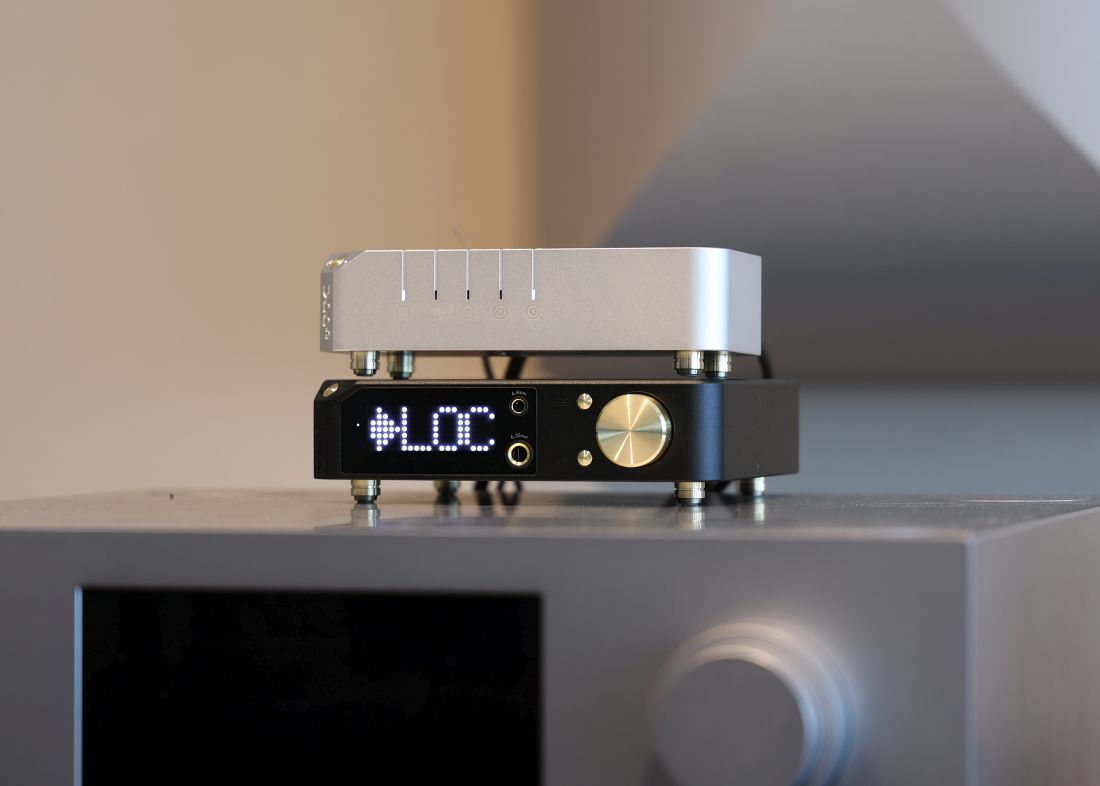
A standard I2S connection is already an improvement over S/PDIF, but the Verse DAC goes a significant step further than other DACs I know by allowing users to select the I2S input clock source. In digital systems, the music signal must always be locked to a clock. When the source and DAC are physically separate, they must be synchronized. Typically, DACs synchronize their internal clock to the source clock (referred to as “slave-mode” for traditional interfaces or “synchronous mode” for USB connections). This happens whether the clock signal is embedded in the music signal (muxed), as in S/PDIF or AES/EBU, or delivered separately, as in I2S. Interestingly, and uniquely in this price class, the Verse can be configured to either slave to the input clock (the default) or, when the source has a high-quality clock, be clocked directly by the source. The last time I experimented with an internal/external clock-switching option was on my Wadia 861 CD player, which combined a CD transport and DAC in a single housing. With that player, 3D imaging and soundstaging improved significantly when the direct source clock was selected.
With this prior clocking experience in mind, I was curious whether the difference would be equally pronounced with the Verse. As hoped, the sound flows more freely, and the soundstage is deeper and larger when using the uDDC to create an I2S source and setting the Verse to I2S Local mode. Now, consider that the source used for the uDDC was USB, and imagine how natural and liquid a compatible CD transport with a direct I2S output could sound. In short, the I2S connection is well worth investigating.
NOS/OS
I tried both options, but as always, I prefer NOS for its more articulate, tangible, pure, and direct sound. However, to some ears, NOS can sound relatively dry or sober. When choosing an oversampling mode, the Verse offers a wide range of options, including resampling to DSD 64, 128, 256, and 512, a unique feature at this price point. Using DSD 16x, for instance, the sound becomes smoother and more relaxed, and the soundstage appears more expansive. The other resampling modes offer subtle differences, with some settings sounding more typically DSD and others closer to PCM. This allows the user to precisely tweak the sound to their liking.
USB
For CD transports and many streamers, Coaxial and AES/EBU are usually the only options. Most servers offer only a USB output. I have often noted how USB can perform technically very well, but can sound more mechanical than traditional formats. However, the quality and balance ultimately depend on the USB interfaces at both ends. In this case, with the Verse, I immediately enjoyed the USB performance. To my ears, USB with the Verse sounds better than S/PDIF and should be considered the preferred connection method unless you are aiming for a rounder, sweeter sound. USB does not fully match I2S in its superb balance between precision and musical flow, but it is a worthy alternative. With the Verse, it sounds simultaneously more precisely defined and more refined, and more direct and realistic.
Compared to the uDAC
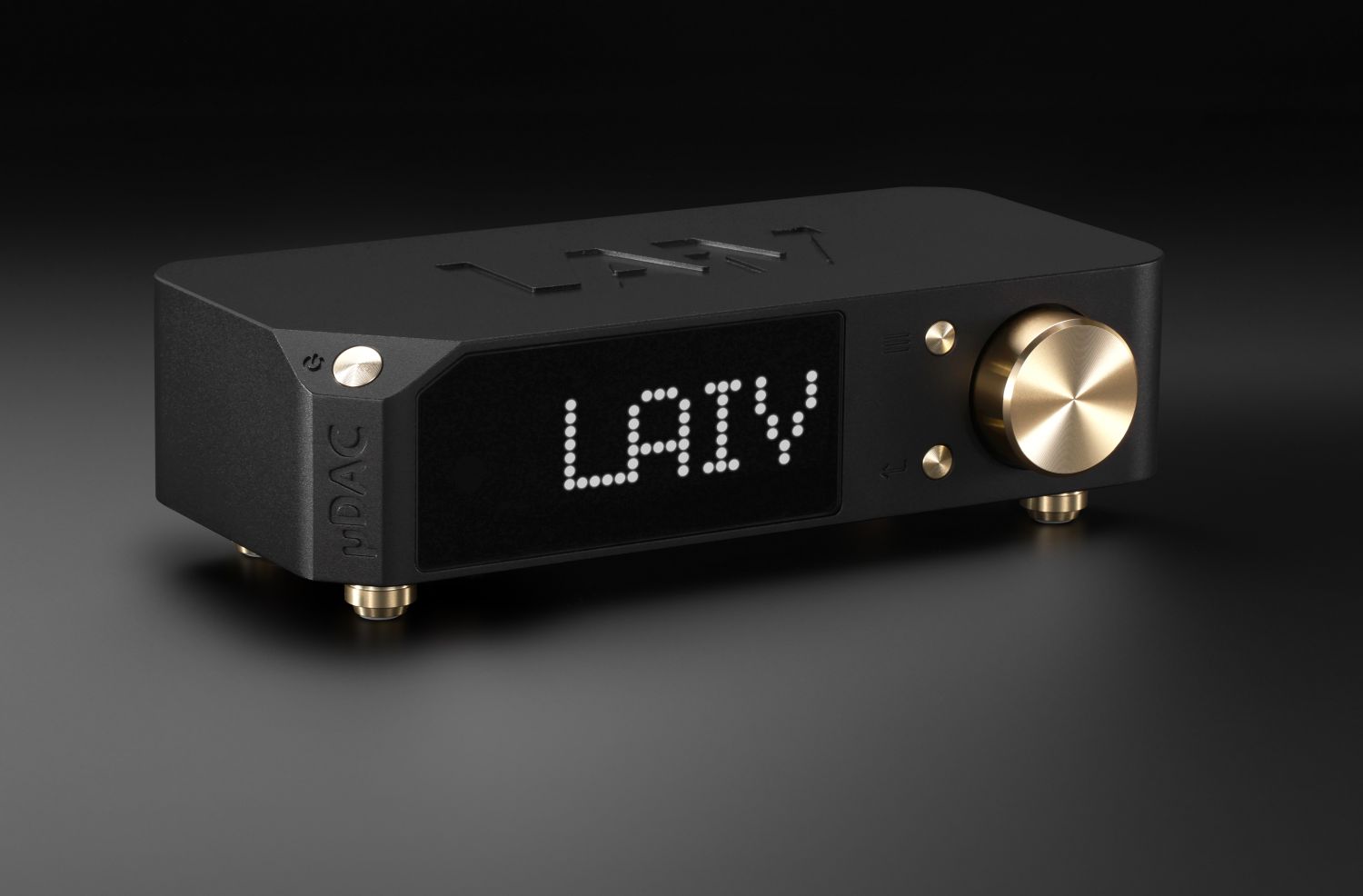
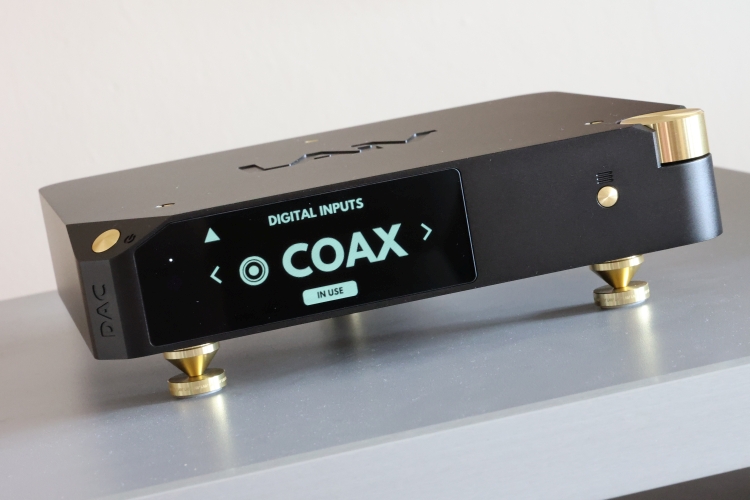
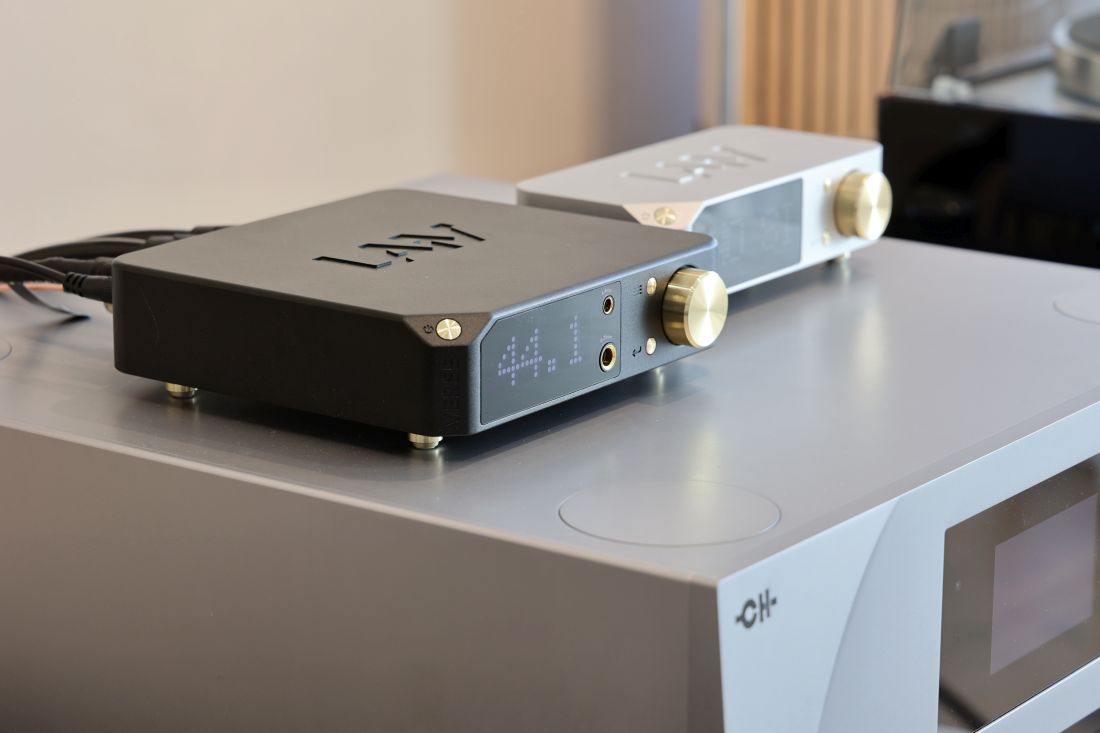
It’s easy to underestimate the LAiV uDAC, given that it is only half the size of the Verse. This micro DAC is priced similarly to the Verse while offering far fewer options. For instance, it lacks volume control, DSD resampling, and headphone connections. So, what’s the deal? It’s simple: higher sound quality.
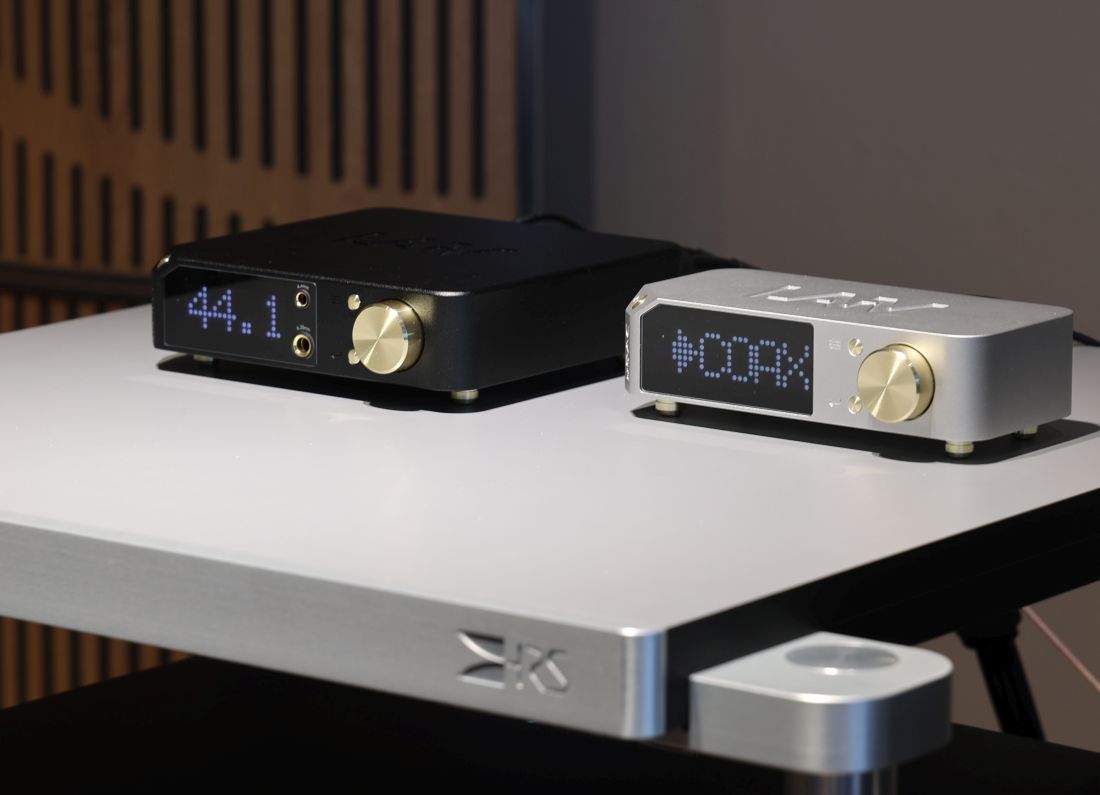
While the Verse sounds very good, the uDAC offers a few notable improvements. For instance, its bass performance is on par with the Harmony DAC’s bass, which is considerably more robust and prominent than the Verse’s. Further, while the Verse sounds very far from technical, the uDAC has a more realistic timbre, which makes real acoustic instruments sound more convincing. Lastly, the uDAC presents a cleaner, more direct image, with slightly more expressive dynamic behavior. On the other hand, the uDAC is stricter and considerably less forgiving than the Verse. The difference between Coax and USB remains, but it seems smaller than with the Verse. It appears that the Verse benefits more from the technically more accurate USB interface, while the uDAC sounds excellent with both. Overall, the uDAC remains a good alternative for those who already have a preamp and do not need headphone connections.
Back to the Verse
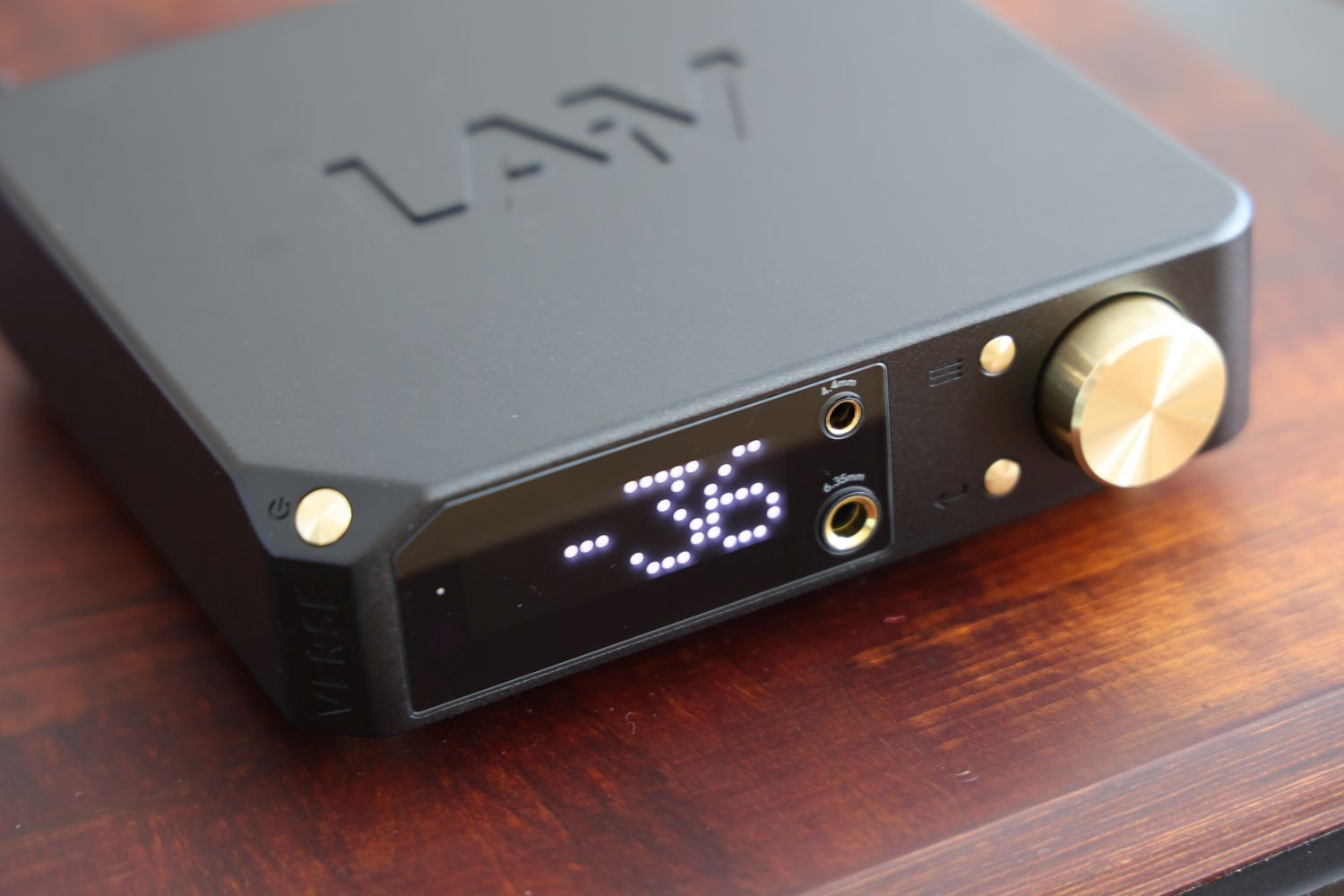
After hearing the uDAC, the Verse still delivers very good tightness and articulation. There is no dryness, the resolution is excellent, the treble is fluid and refined, and the sound flows freely. However, the timbre, stature, and dynamic delivery feel less convincingly realistic than with the uDAC or the Harmony DAC. Of course, it’s only logical that something’s got to give, given that the Verse is more affordable yet offers more functionality. Nonetheless, the Verse already performs better than you’d expect from a ‘simple’ DAC. And here’s the crux of the matter: the Verse is not a simple DAC! It is far more advanced than it appears: it offers, in addition to a built-in headphone amplifier with a standard output and a balanced 4.4mm output, unique I2S connectivity, DSD resampling, and an analog volume control that not only powers the headphone amp but can also be used for the main XLR and RCA outputs.
Direct to Power Amp
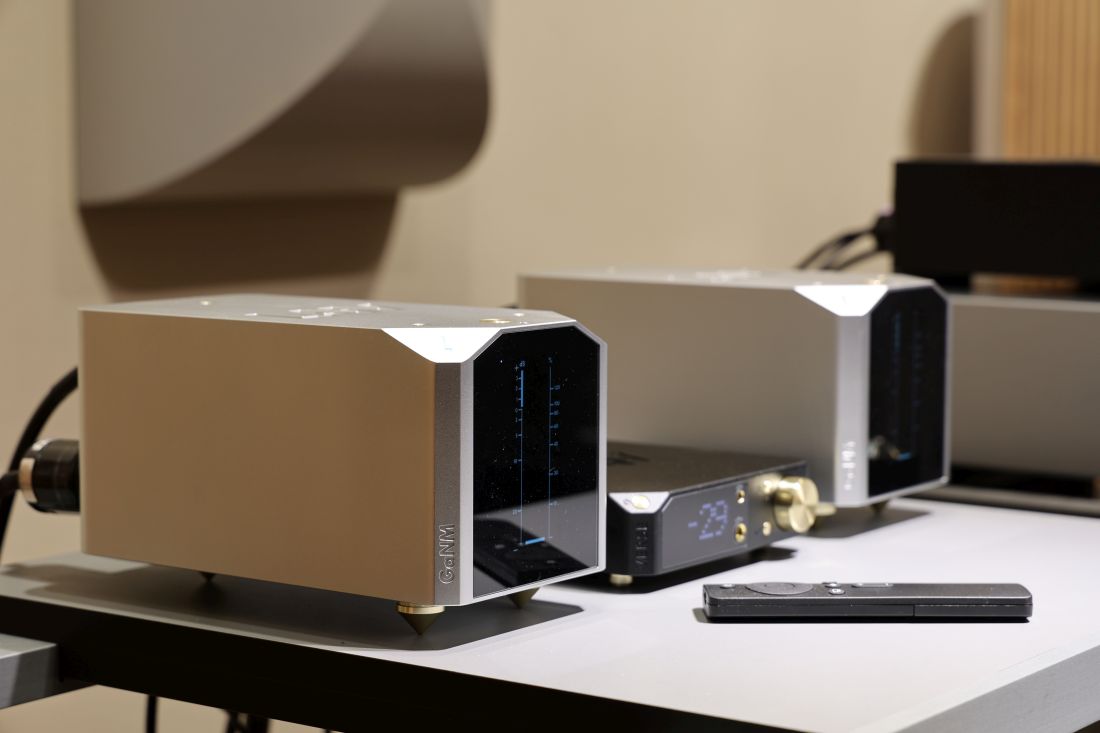
With variable output selected, the Verse can be directly connected to a power amplifier. LAiV actually offers an excellent option for this with their GAnM mono power amplifiers.
Once again, the Verse performs surprisingly well. Directly connected to the GAnMs, the Verse makes a strong case for itself, particularly in control, resolution, neutrality, propulsion, pacing, and dynamics. For this amount of money, I honestly would not know how the performance could be bettered.
Of course, once we start comparing to higher-tier options, things become relative again. As remarkably good as it is, the Verse is not a substitute for the LAiV HP2A preamp. That shouldn’t come as a surprise, given that the HP2A costs a whopping 2000 euros more than the Verse while not including a DAC! The HP2A is actually so good that I consider it an entry-level high-end preamp. It’s better than any other preamplifier I’ve heard at this price, and it still offers serious competition to high-end preamplifiers that cost double or more. Understandably, the Verse doesn’t go that far. However, it is excellent for its price point.
Once I switch off my critical assessment mode and let the music play, I note how the Verse consistently relays the music with sweetness and integrity. It simply never detracts from the musical delivery. Its performance can be bettered, but its sins are of omission, with virtually none of commission.
Next: Headphone Listening, HP2A, and Conclusion